 Deshwale
Building in the Desert: How Modern Cities Like Dubai, Las Vegas, and Riyadh Engineer Life in Arid Lands
In brief · AI summary Modern desert cities such as Dubai, Las Vegas, and Riyadh rely on advanced engineering to manage water scarcity, extreme heat, sandy soils, and sandstorms. Planners increasingly focus on sustainability, using measures like water recycling, passive cooling, and solar power to balance growth with environmental impact.
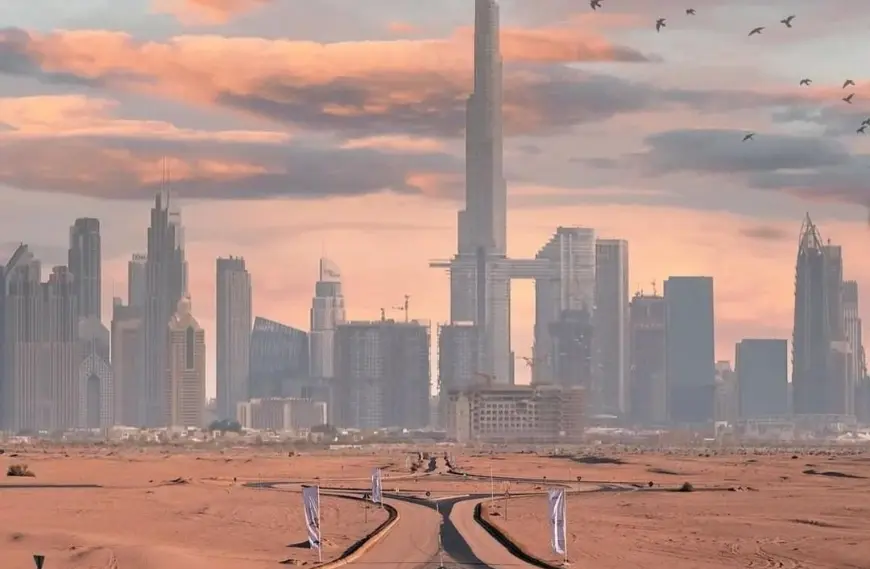
From shimmering skyscrapers to sprawling suburbs, some of the world’s fastest-growing cities rise in deserts. Creating comfortable, livable spaces in these harsh environments demands ingenious design, advanced technology, and immense resources.
The Challenge of Water
In Dubai, desalination plants produce over 99% of the city’s drinking water, transforming seawater into fresh. But desalination is energy-intensive and contributes to greenhouse gases if not powered sustainably.
Las Vegas relies on the Colorado River’s dwindling supply. Water-saving policies, such as paying residents to remove lawns, have helped cut per capita water use by nearly half since the 1990s.
Beating the Heat
Innovative cooling is essential. In Riyadh, shaded walkways, reflective building materials, and thermal insulation reduce heat absorption. Meanwhile, massive air-conditioning systems ensure habitable indoor environments.
Cities also experiment with passive cooling techniques. Masdar City in Abu Dhabi uses narrow streets aligned for prevailing winds, funneling breezes to cool outdoor spaces without energy use.
Sustainable Power
Desert cities are embracing solar. Dubai’s Mohammed bin Rashid Al Maktoum Solar Park is one of the largest in the world, harnessing relentless sunlight to provide clean energy for millions.
Building Foundations
Desert soils can be sandy or salty, requiring deep pilings and special foundations to prevent shifting. The Burj Khalifa sits on 192 reinforced concrete piles drilled over 50 metres into Dubai’s weak, sandy subsoil.
Sandstorms and Maintenance
Frequent sandstorms damage infrastructure, clog air filters, and wear down building exteriors. Engineers design structures with smooth, easy-to-clean surfaces and install advanced air filtration to keep indoor air breathable.
Balancing Growth with Sustainability
As desert populations boom, balancing resource use and environmental impact becomes urgent. Planners in cities like Phoenix emphasise water recycling, xeriscaping, and building codes to reduce energy consumption.
Urban sustainability expert Dr. Paul Cartledge says: “Building in deserts isn’t just about conquering nature — it’s about learning to live with it, using every drop and ray wisely.”