 Deshwale
Faith Goes Digital: How Urban India Is Reimagining Spirituality
In brief · AI summary Spirituality in urban India is becoming more flexible and personal, as city pressures lead people to plan rituals online and take part virtually. SwaDharma supplies digital infrastructure directly to temples through a unified system for payments, donations, identity verification, and devotee engagement. More than 100 temples have joined the platform, reaching over 10 lakh worshippers, with financial transactions worth ₹100 crore processed.
For generations, spirituality in India has followed a familiar rhythm. Early morning temple visits, festival rituals, and family traditions shaped how people connected with faith. Today, however, a quiet transformation is underway. Across urban India, spirituality is becoming more flexible, personal, and integrated into modern lifestyles.
This shift is driven largely by the pressures of city life. Long commutes, demanding work schedules, and the rise of nuclear families have changed daily routines. As a result, people are finding new ways to stay connected with their faith. Instead of waiting in long temple queues, many are now planning their spiritual activities in advance, booking rituals online, and even participating virtually.
Technology is playing a key role in enabling this change. Platforms like SwaDharma are emerging as important facilitators in this evolving ecosystem. Unlike traditional marketplaces that connect buyers and sellers, SwaDharma focuses on providing digital infrastructure directly to temples. This allows religious institutions to manage their operations independently, without relying on intermediaries.
At the heart of this approach is the “SwaDharma Stack”, a unified digital system designed to streamline temple management. It integrates payments, donations, identity verification, and devotee engagement into a single platform. By doing so, it addresses long-standing inefficiencies and brings structure to what has often been a fragmented system.
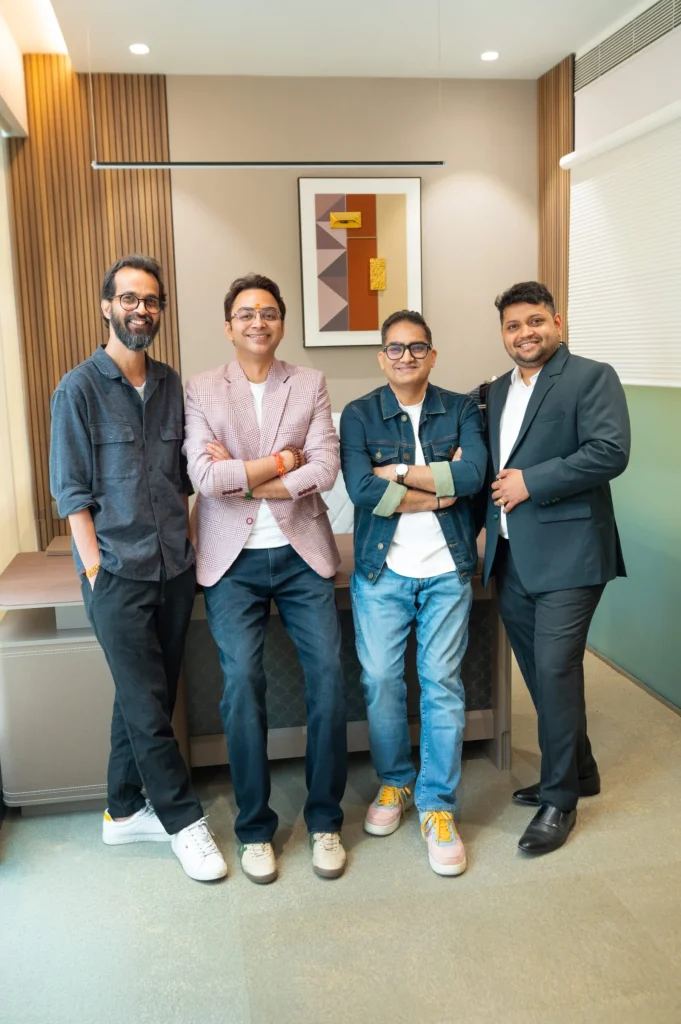
Amit Bhardwaj, Co-founder and CEO of SwaDharma, highlights the need for such innovation. According to him, India’s faith ecosystem has always been vast and deeply rooted, but its digital evolution has remained scattered. The aim, he says, is to bring transparency and efficiency while preserving the authenticity of religious practices.
The platform enables devotees to book poojas online, make seamless donations, and access rituals without geographical constraints. At the same time, it supports temples with backend operations such as compliance, payment processing, and data management. This dual approach benefits both institutions and worshippers.
Sharad Kamath, Chief Product Officer at SwaDharma, is leading the development of technology tailored specifically for temple ecosystems. The focus is on creating systems that respect cultural sensitivities while improving operational efficiency.
Pratyush Ambuj, Co-founder and COO, points out that many temples still operate on disconnected systems, which can affect both trust and accessibility. By enabling temples to manage their own digital presence, the platform aims to eliminate intermediaries and build direct relationships with devotees.
There is also a broader vision at play. Amit Kumar, Chief Business Officer, is working to bring lesser-known but culturally significant temples into the spotlight. The idea is to help devotees discover and engage with places of spiritual importance that often remain under-visited.
The early results suggest growing acceptance. More than 100 temples have already joined the platform, reaching over 10 lakh worshippers. Financial transactions worth ₹100 crore have been processed, indicating strong engagement from users.
This shift does not represent a break from tradition, but rather an adaptation. Rituals remain the same, but access has evolved. Technology is not replacing faith; it is reshaping how people experience it.
In urban India, spirituality is no longer confined to specific places or fixed schedules. It is becoming a seamless part of daily life, accessible anytime and anywhere.
Subscribe Deshwale on YouTube