



Quick Digest
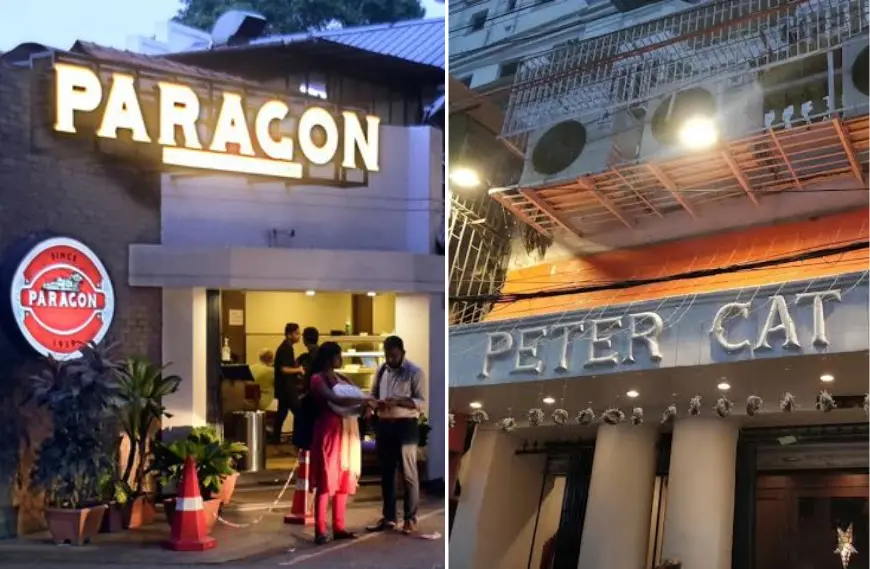
TasteAtlas, founded in 2018 by Croatian journalist Matija Babić, has released its definitive list of the 100 Most Iconic Restaurants in the World. This global panorama spans centuries-old European taverns, storied American delis, and celebrated Mexican cafés. Seven Indian icons make the cut, led by Paragon in Kozhikode (#5) and Kolkata’s Peter Cat (#7). Other honourees include Murthal’s Amrik Sukhdev, Delhi’s Karim’s and Gulati, Bengaluru’s Central Tiffin Room, and Mumbai’s Ram Ashraya, each preserving flavours that define our culinary heritage.
TasteAtlas is an encyclopedia of flavours and authentic restaurants, launched in late 2018 after three years of research and development.
The list of the 100 Most Iconic Restaurants was compiled from a database of 23,952 traditional eateries worldwide. The ranking reflects each venue’s history, public ratings, and its TasteAtlas score for signature dishes.
The global overview reads like a culinary atlas. Vienna’s Figlmüller, founded in 1905, still defines the schnitzel standard. Naples boasts both L’Antica Pizzeria da Michele and Gino e Toto Sorbillo, guardians of Neapolitan pizza traditions. Munich’s Hofbräuhaus München (1589) embodies Bavarian brauhaus culture. These enduring institutions are more than eateries, they are time capsules of local food traditions.
Beyond Europe, Mexico City’s Café de Tacuba (1912) preserves Baroque interiors and enchilada lore, while New York’s Katz’s Delicatessen (1888) serves pastrami on rye to generations of diners. Guadalajara’s Karne Garibaldi (1970) holds a Guinness World Record for fastest service, dishing carne en su jugo with clockwork precision. Málaga’s El Pimpi charms with Andalusian pringá amid flamenco performances, each a testament to communal celebration and resilience.
India’s culinary heritage also shines. Seven Indian restaurants earn spots on this prestigious list, with two in the top 10.
Paragon Restaurant in Kozhikode ranks fifth for its Malabar biryani, a rice-meat-spice masterpiece that dates back to 1939. The dish’s floral notes and local produce reflect Kerala’s spice-trade heritage, each grain a whisper of maritime voyages.
Kolkata’s Peter Cat holds seventh place, celebrated for chelow kebab, a fusion of Persian kebab and Indian butter rice crowned by a half-cooked egg. Its nostalgic retro ambience and distinctive red-and-gold décor transport diners back to a bygone era of colonial cafés and cross-cultural exchange.
At number 13, Murthal’s Amrik Sukhdev has served buttery aloo paranthas since 1956, originally catering to highway truckers who forged north-south trade routes across Haryana. Still a must-stop for travellers, it bridges traditional Punjabi food with modern highway culture.
Karim’s in Old Delhi, founded in 1913, claims the 59th slot. This Jama Masjid landmark democratized royal Mughlai dishes, offering korma and alu gosht to all comers. Its spice-layered korma evinces the enduring legacy of Mughal court cuisine.
Bengaluru’s Central Tiffin Room (#69), established in the 1920s, is synonymous with crispy masala dosa served alongside coconut chutneys and tangy sambar. Its queues of devotees include film stars and IT professionals alike, proof of dosa’s pan-Indian appeal.
Gulati, on Pandara Road in New Delhi, secures spot 77 for its butter chicken and dal makhani. Since 1959, its Mughlai fare embodies the city’s post-partition culinary synthesis, marrying Punjabi richness with Delhi’s cosmopolitan palate.
Ram Ashraya in Mumbai, founded in 1939, ranks 78 for its South Indian breakfasts—upma, idli and medu vada served in a no-frills space where menus are handwritten on the walls. Early risers and stockbrokers flock here to fuel frenetic city days with dosas and filter coffee.
“Renowned for their longevity, reliability and iconic dishes, these restaurants embody the spirit of their cities,” TasteAtlas notes of its selections.
Indian food historian Alok Singh observes, “Regional dishes balance flavour, texture and aroma in ways that trigger sensory empathy and evoke deep cultural pride.” His words underscore how each eatery weaves community stories into every plate.
Collectively, these restaurants form a global palate map. They remind us that dining is never mere consumption. A table at Hofbräuhaus is Bavaria’s social hearth. A seat at Katz’s Deli is Manhattan’s immigrant chronicle. A plate at Paragon is Kozhikode’s spice-laden coastal saga.
For Indian readers, this list offers a passport to heritage dining. It urges exploration of Malabar biryanis, Lucknow kebabs and Bengaluru dosas alongside world-renowned schnitzels and steakhouses. These iconic venues beckon gourmands to taste traditions older than nations themselves.
As gastronomic pilgrimages resume post-pandemic, these 100 restaurants stand ready to welcome food-seekers. They prove that the world’s most resonant flavours are forged in kitchens that honour history, community and the timeless joy of sharing a meal.
