




Growing up in a bustling Mumbai neighbourhood, I remember how every October the streets would hum with energy. The beats of drums, the crackle of effigies burning, and the sweet aroma of jalebi frying at roadside stalls made Dussehra feel like the climax of an epic story unfolding right in my backyard. Let me take you back to one such evening that etched this festival deep into my heart.
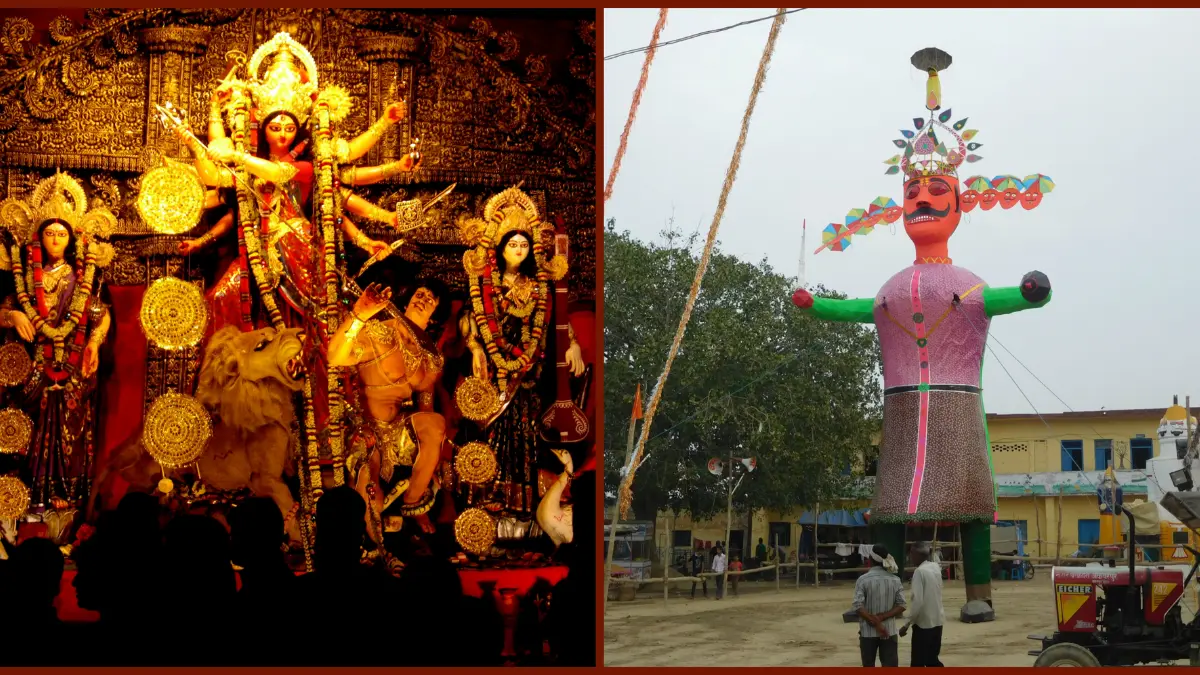
Picture this: dusk has settled, and my family has gathered on our rooftop overlooking a massive ground. Towering statues of Ravana, Kumbhakarna, and Meghnad loom over the crowd, their ten heads glaring menacingly. As the sun dips below the horizon, an actor dressed as Lord Ram draws his bow and, with a dramatic flourish, shoots a flaming arrow straight into Ravana’s heart.
The effigy erupts in flames, fireworks explode, and cheers ripple through the night. That moment wasn’t just a spectacle, it was a vivid reminder of the ancient tale from the Ramayana, where Ram, the embodiment of righteousness, defeats the demon king Ravana after a fierce battle. Ravana, with all his intellect and power, had kidnapped Sita, symbolising arrogance and evil. Ram’s victory on this day, the tenth day of the war, marks the end of tyranny and the restoration of dharma moral order. It’s no wonder Dussehra, also called Vijayadashami, is celebrated as the day evil was vanquished, inspiring generations to choose virtue over vice.
Dussehra is about more than just Ram. It’s the grand finale of Navratri, nine nights of devotion to Goddess Durga, who battles and defeats the buffalo demon Mahishasura. In eastern states like West Bengal, Dussehra coincides with Durga Puja’s immersion, blending the stories of divine feminine power with Ram’s heroism. The day is deeply woven into Hindu philosophy, reminding us that no matter how formidable darkness seems, light always prevails. Temples overflow with prayers, and families perform aartis to seek blessings for prosperity and success. In a world full of uncertainties, Dussehra acts as a beacon, teaching patience, courage, and righteousness just as Ram showed after years of exile and hardship.
Celebrations across India are as diverse as the country itself, yet united in joy. In the north, like Delhi or Punjab, Ramlila plays bring the entire Ramayana to life over ten days, culminating in the burning of Ravana’s effigy, a cathartic release of negativity. Down south, in Mysore, the royal procession with caparisoned elephants and the illuminated palace turns the city into a fairy tale. In Gujarat and Maharashtra, people dance the energetic Garba and Dandiya during Navratri, leading up to feasts and family gatherings on Dussehra. Everywhere, there’s a sense of community: neighbours share sweets, children wave toy bows and arrows, and elders recount stories from the epics. It’s not just about rituals; it’s about coming together, forgiving past grudges, and starting anew.
One quirky tradition I’ve always loved is the exchange of gold leaves, tiny, shimmering replicas of leaves from the Shami tree, which legend says Ram worshipped before his final battle. On Dussehra, people give these ‘sona pattas’ to friends and family as symbols of victory and good fortune. I’ve seen my grandmother carefully tuck one into her prayer book, believing it brings prosperity and wards off evil. Others slip them into wallets or purses a little talisman for financial luck. It’s a small gesture, but in a culture where symbolism runs deep, it feels profound like carrying a piece of Ram’s victory with you every day.
And of course, the food! No Dussehra is complete without indulging in crispy, savory fafda paired with syrupy jalebi. In Gujarat, this combo reigns supreme, and families line up at sweetshops early for the freshest batches. The crunchy gram flour of the fafda contrasts perfectly with the sugary spirals of jalebi, often washed down with papaya chutney or kadhi. It’s more than a snack; it’s a celebration on a plate, evoking childhood memories of laughter, stories, and the festive energy all around.
Dussehra isn’t just a date on the calendar it’s a living story that draws us in, urging us to be the heroes of our own lives. Whether you’re watching Ravana burn or enjoying that first bite of jalebi, the festival reminds us that victory is possible, hope is alive, and goodness will always prevail.
