 Deshwale
From KYC to KYV: India’s New Digital Checkpoint for Every Vehicle
In brief · AI summary FASTag users must complete KYV (Know Your Vehicle) verification, which links a vehicle's registration, ownership, and fitness certificate to its FASTag, or risk having the tag stop working after 31 October 2025. The process is done digitally through the issuing bank's website or app by uploading the vehicle registration certificate (RC). The National Highways Authority of India (NHAI) introduced KYV to stop misuse, such as one tag being attached to multiple vehicles.
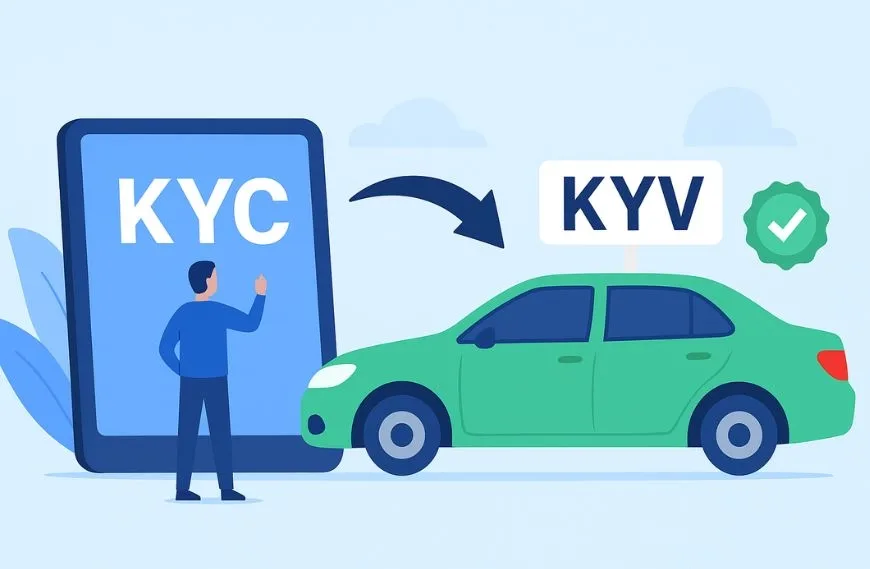
In India’s rapidly digitising world, a new rule is quietly changing how vehicles are verified: the shift from Know Your Customer (KYC) to Know Your Vehicle (KYV). If you use FASTag to pay tolls, this change directly affects you. Starting from 1 November 2025, vehicles without proper KYV verification may find their FASTags blocked.
This move is not just about toll payments. It marks a much larger shift towards digital accountability and smarter transport regulation. Let’s understand what KYV really means, why it’s happening, and how it impacts millions of vehicle owners.
What is KYC and why is it replacing KYC?
Until now, FASTag users had to complete KYC Know Your Customer, a process that linked the payment tag with the owner’s personal identity. But under the new system, the government wants to go a step further by verifying the vehicle itself, not just the person.
KYV stands for Know Your Vehicle. It means the registration details, ownership records, and even the fitness certificate of a vehicle will be digitally linked to the FASTag system. In other words, every tag will be tied to one specific vehicle making it impossible to use the same FASTag on multiple cars, something many users were doing earlier.
The National Highways Authority of India (NHAI) introduced KYV to clean up this confusion. Over time, they noticed that several FASTags were being misused, for example, by attaching one tag to multiple vehicles or using tags registered under fake or outdated names.
What Happens After October 31?
If you haven’t completed KYV verification by 31 October 2025, your FASTag may stop working. That means you won’t be able to use it to pay tolls automatically at plazas.
To avoid this, you need to update your FASTag details through your issuing bank’s website or app. The process is simple: log in, upload your vehicle registration certificate (RC), and confirm that your details match the vehicle’s record. Once verified, your tag will remain active.
This step might feel like an inconvenience, but it’s meant to ensure accuracy and prevent fraud. NHAI wants every toll payment to be linked to a legitimate, verified vehicle.
Think of KYV as part of a bigger digital clean-up. India already uses KYC for financial security; it helps banks prevent identity theft and fraud. Now, KYV applies that same principle to transport.
This change will:
- Stop misuse of FASTags by ensuring one tag per vehicle.
- Make toll transactions more transparent.
- Help trace vehicles in case of theft, unpaid fines, or fraud.
- Improve data accuracy for the government’s transport systems.
In the long run, it could also help create a unified database of vehicles, something that might be used to simplify insurance claims, emission checks, or road tax payments.
What vehicle owners should do
If you’re a vehicle owner, the safest move is to check your FASTag status now. Log in to your FASTag provider’s portal and look for KYV or “vehicle verification” updates. Upload the necessary documents, such as your RC book, and confirm ownership.
Most banks and payment platforms have made this process fully digital. You don’t need to visit any office just ensure your details are accurate and your tag is linked to the right vehicle.
A step towards smarter mobility
India’s highways are getting smarter from digital tolls to AI-enabled traffic systems. KYV is the next logical step in this journey. It adds a layer of trust and transparency to a system that millions rely on every day.
For regular commuters, truck drivers, and fleet owners, this may feel like another task. But in the bigger picture, it’s a step towards a smoother, safer, and more accountable road network.
So, as we move from KYC to KYV, India is not just verifying data it’s verifying trust on its roads
Subscribe Deshwale on YouTube