 Deshwale
Legacy at Stake: Gandhi’s Name and National Schemes
In brief · AI summary Parliament in December 2025 passed the VB-G RAM G Act, which repealed MGNREGA, increased guaranteed work days, and removed Mahatma Gandhi's name from the rural employment law. The move has drawn strong criticism from the Indian National Congress and other opposition voices, who see it as an attempt to diminish Gandhi's legacy. The government maintains that the new law modernises rural employment and expands its scope.
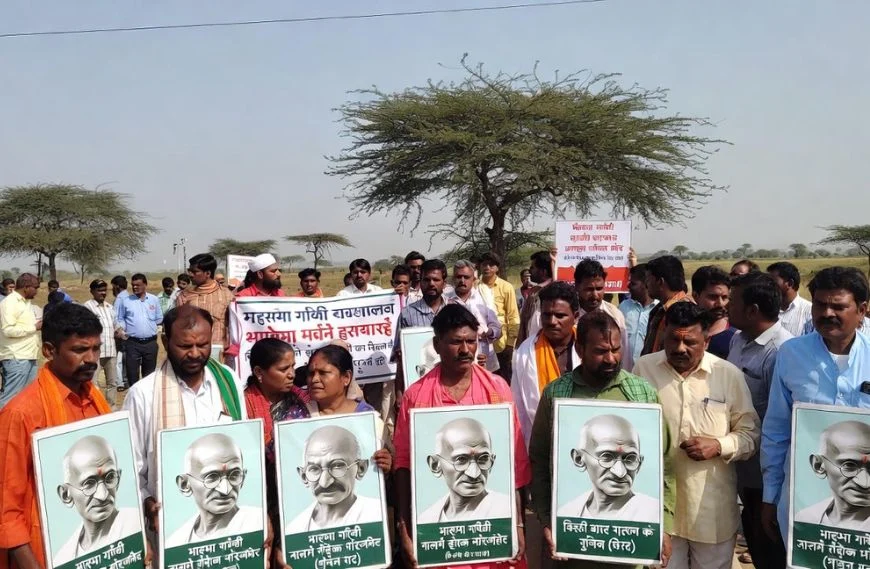
A major political debate has erupted in India over the decision to replace the Mahatma Gandhi National Rural Employment Guarantee Act (MGNREGA) with a new law called the Viksit Bharat Guarantee for Rozgar and Ajeevika Mission (Gramin) Act, or VB-G RAM G Act. At the heart of the controversy is the removal of Mahatma Gandhi’s name from the country’s most widely known rural employment law, a move that has sparked emotional and symbolic opposition from political leaders, activists, and workers across the nation.
MGNREGA was introduced in 2005 as a rights-based programme guaranteeing up to 100 days of wage employment each year to rural households that volunteer for unskilled work. Over the past two decades, it became one of India’s best-known social welfare laws, often linked with Gandhi’s ideals of rural self-reliance and dignity of labour.
In December 2025, Parliament passed the VB-G RAM G Bill, which repealed MGNREGA and replaced it with a law that increases the guaranteed days of work and restructures rural employment efforts. However, in doing so, the new law no longer carries Gandhi’s name. This apparent erasure of Gandhi’s identity from a landmark social welfare act has triggered strong criticism, especially from the Indian National Congress and other opposition voices.
Congress leaders argue that removing Gandhi’s name from the employment law is more than a simple administrative change. They claim it symbolises a widely felt attempt to diminish Gandhi’s legacy in the arena of rural welfare and social justice. Senior party figures have said that Gandhi’s ideals were deeply associated with uplifting the poor and empowering villages, and that retaining his name on a scheme meant to protect rural livelihoods was a recognition of those values. In protests across several states, Congress workers have held up portraits of Gandhi and condemned the name change as an insult to his memory and contributions.
One Congress MP described the new legislation as removing the ‘heart’ of the rural jobs programme, saying that changing the name strips away its moral and historical weight. Critics also argue that renaming the scheme distracts from real issues, such as delayed wage payments and underfunding, which have affected rural workers’ lives over the years.
The government, on the other hand, maintains that the new VB-G RAM G Act modernises the rural employment framework and expands its scope. Supporters say that aligning the law with the Viksit Bharat 2047 vision reflects broader development goals and improves statutory guarantees for rural work. However, the timing and symbolism of the name change continue to fuel political debate.
For many Indians, the row is not just about policy details but about how the country remembers its past and honours the legacy of leaders like Mahatma Gandhi. The dispute highlights how names and symbols in public policy can carry deep emotional meaning and shape national conversations about history, identity, and social justice.
Subscribe Deshwale on YouTube