 Deshwale
Hasina Wants to Go Home. India Has to Decide How
In brief · AI summary Sheikh Hasina says she will return to Bangladesh in December. Dhaka has already said no to her passport. Delhi is stuck in the middle.
Two years in Delhi, a death sentence waiting back home, and Sheikh Hasina still says she is going back. The plan has been public since 5 August, when the 78-year-old former Bangladesh prime minister said she would return in December 2026. No date has been given.
The talk turned practical on 9 November. Her lawyers asked the Bangladesh embassy in New Delhi for a fresh passport and national ID card, the first such request since she fled in August 2024. The interim government had cancelled both documents months after her exit. Dhaka’s answer came fast, and it was a no. Officials there say a convicted fugitive cannot simply be issued papers. If she wants to come back, they argue, it has to be through the extradition treaty.
That conviction is the heart of it. In November 2025, Bangladesh’s International Crimes Tribunal sentenced her to death in absentia for ordering the crackdown on the student-led uprising. She denies the charges.
Where does India stand? Officially, it has said little beyond pointing to its established procedures. Unofficially, there are reports. BBC Bangla, citing Delhi officials, says India has hinted at two conditions for helping her go back: a role for the Bangladesh Army in bringing her home, and a guarantee that she gets a chance to appeal the death sentence. None of this has been confirmed by the government, so treat it as a report, not a position.
Think about why this is awkward for South Block. Bangladesh’s government, led by Tarique Rahman, has repeatedly asked India to hurry up and extradite her. Handing her over would be a diplomatic win for Dhaka and a hard moment for Delhi, which sheltered her. Helping her return on her own terms might look like taking sides in Bangladesh’s politics, with Awami League supporters already mobilising and garment workers on strike. Staying silent keeps a thorn in the relationship.
Some in Dhaka fear her return could stoke more unrest. Others have floated a different route: she could come back by declaring readiness to face trial. Whether she would is another matter.
December is a month away. What India says, and does, in the next few weeks will tell us how much it values a quiet border over an old friend.
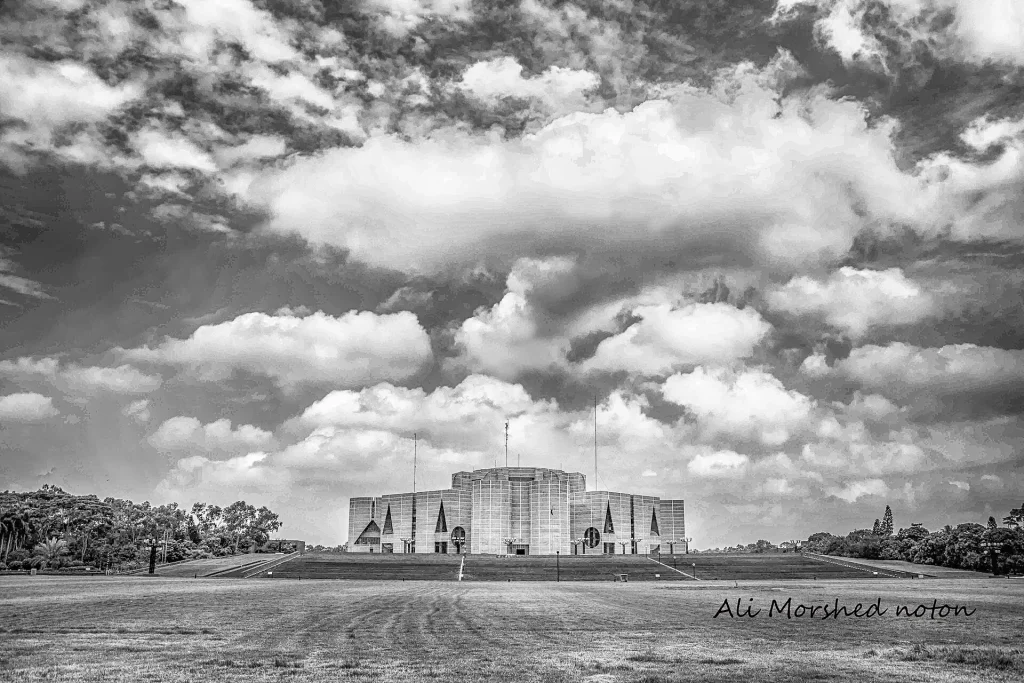
Photo: Ali Morshed noton, CC BY-SA 4.0, via Wikimedia Commons.