 Deshwale
Why France’s Economy Has Stopped Growing
In brief · AI summary A surprise 0.1% fall in Q3 GDP has left Europe's second-biggest economy stuck. Exports, investment and a tight budget all play a part.
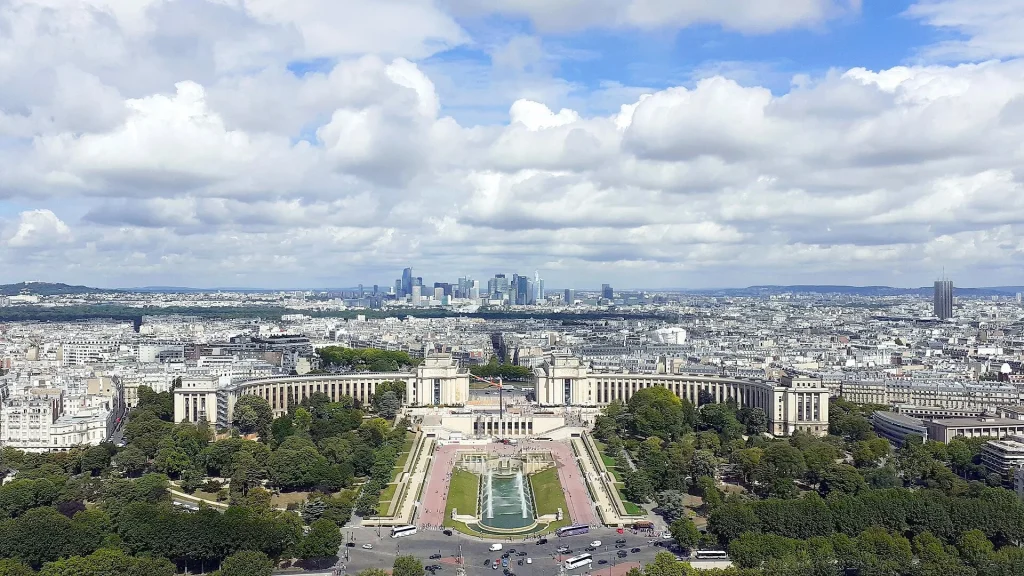
Economists polled by Reuters expected France to grow by a sliver in July to September. It shrank instead. The statistics office Insee says GDP fell 0.1% in the third quarter, the second contraction of the year. The first quarter saw a 0.2% drop, and the second was flat.
So what went wrong? Mostly trade. Exports fell 1.7%, and the biggest chunk of that was transport equipment, down 9.1%. Aerospace, which had jumped 20.8% the quarter before, swung from helper to drag. Business investment slid again too, by 0.6%, after a 0.5% fall earlier. Households kept spending a little, which stopped things from looking worse.
The economy minister, Roland Lescure, did not dress it up. France is “at a standstill”, he said, blaming an unusual mix of shocks from outside and inside the country. Inflation did not help: October prices rose at their fastest pace since late 2023.
Look at the bigger frame. Forecasters had already trimmed the 2026 growth estimate from 0.7% to 0.4%, warning that France was losing ground to its neighbours. The wider euro area managed 0.4% in the same quarter, though without Ireland it was nearer 0.2%. And the government is working on a 2027 budget that aims for a 5% deficit while hoping for 1% growth next year. Those two numbers sit uneasily next to a shrinking economy.
Why should a reader in India care? France is the eurozone’s second-largest economy, and a wobble there matters for European demand, for the ECB’s decisions and for the many Indian businesses that sell into Europe. It is a reminder that even rich economies can go through a patch where nothing seems to move.
The next data point will say whether this was a blip or a trend.
Photo: Gugalcrom123, CC BY 4.0, via Wikimedia Commons.