



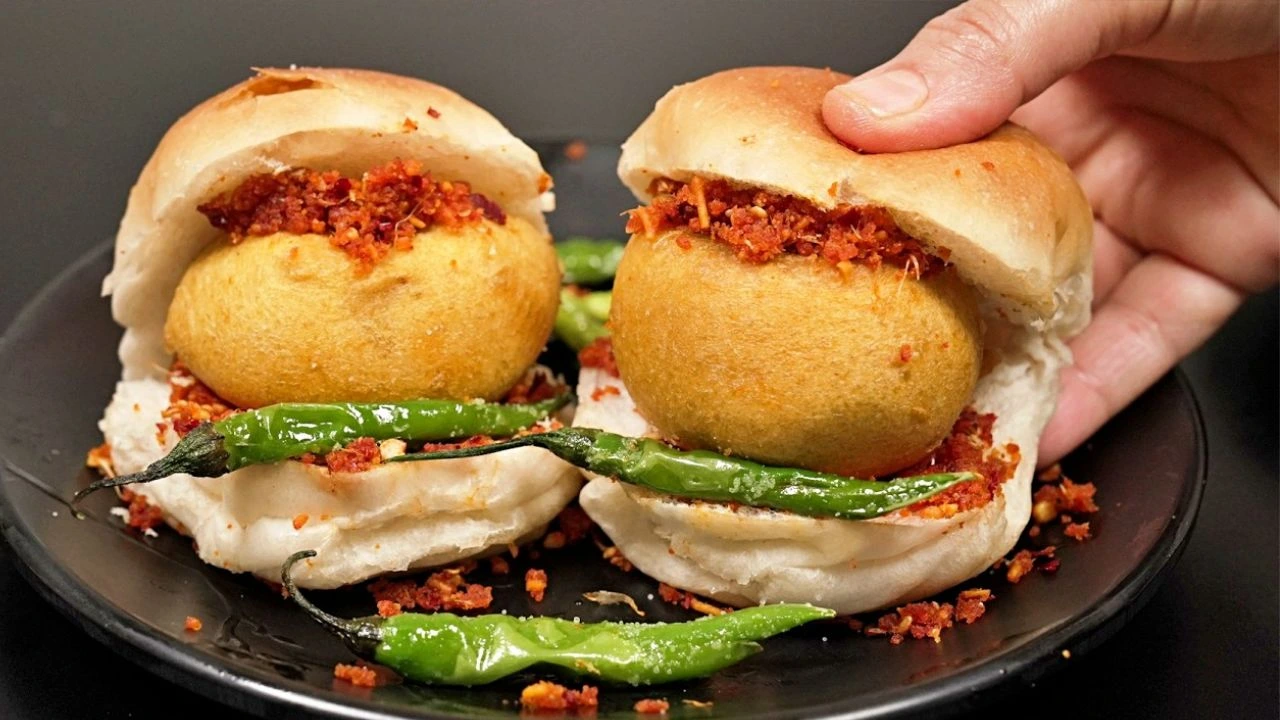
“Arre bhai, ek garam-garam vada pav milega?” If you’ve ever roamed the streets of Mumbai, you’ve probably uttered these words at least once. But have you ever wondered where that soft, fluffy pav in your favourite street snack actually comes from? From the bustling gallis of Mumbai to the Irani cafés and even the colonial-era bakeries, pav has a history as rich as the spicy bhaji it’s often paired with. pav nahi toh life jingalala nahi!” it’s Mumbai ki jaan! From the busy streets of Dadar to the late-night stalls at Juhu Beach, pav is everywhere, sasta, mast, aur zabardast!
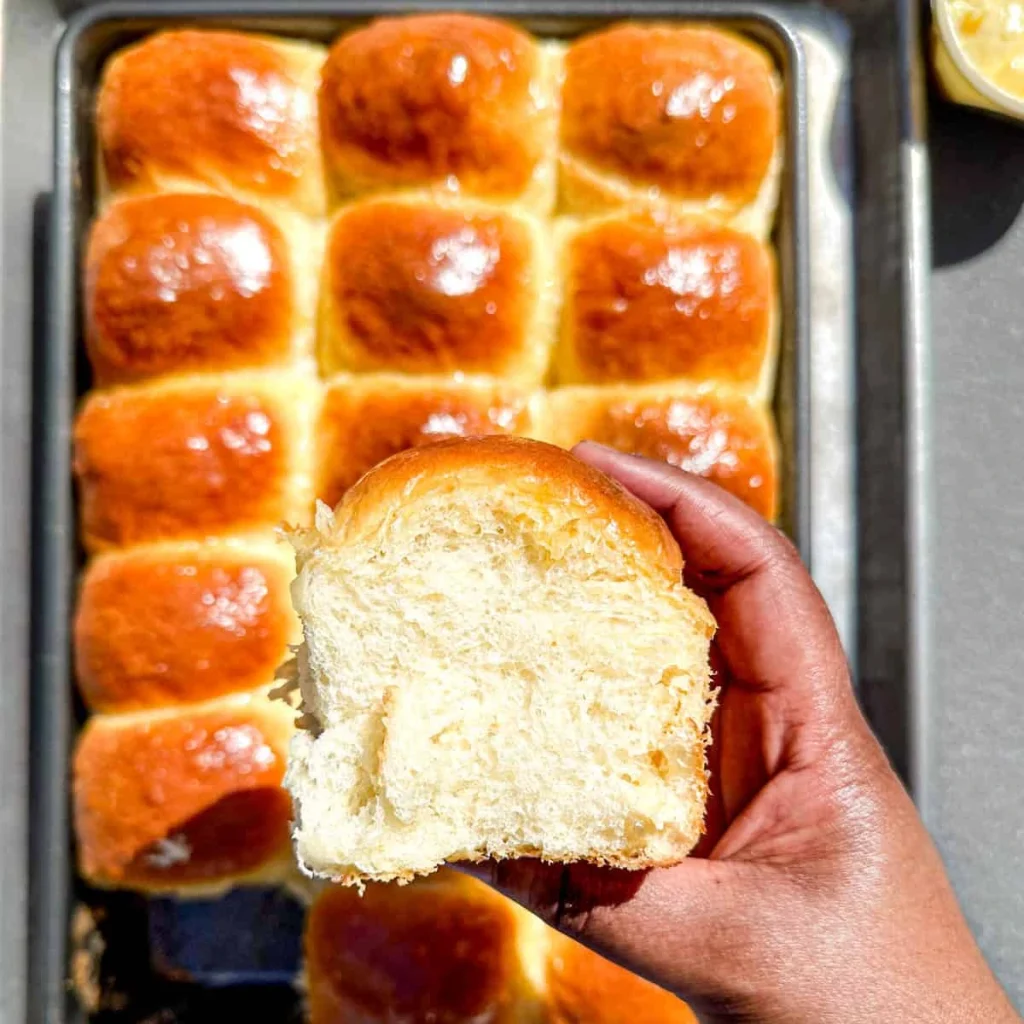
But have you ever wondered kaun laaya yeh chhota sa pav? How did it become the backbone of Mumbai’s street food scene? Jalwa hai boss, This isn’t just any bread – yeh toh Mumbai ki jaan hai! From mill workers’ sustenance to a street food revolution, pav has travelled a long journey from the ovens of Portuguese bakers to becoming the heart of every Mumbaikar’s plate. So, let’s dive into the masaledaar kahani of pav-its origins, its rise to fame, and why India just can’t get enough of it!
So, bindaas baith jao with a cutting chai, as we take you through the incredible journey of Mumbai ka asli hero-pav!
Who Introduced Pav to India?
Blame it on the Portuguese! When they arrived in India in 1498, they brought along their love for freshly baked bread. Before their arrival, Indians mainly consumed unleavened breads like chapati, roti, and puri. The Portuguese introduced pão (Portuguese for ‘bread’), which over time, transformed into pav.
How Did Pav Come to India?
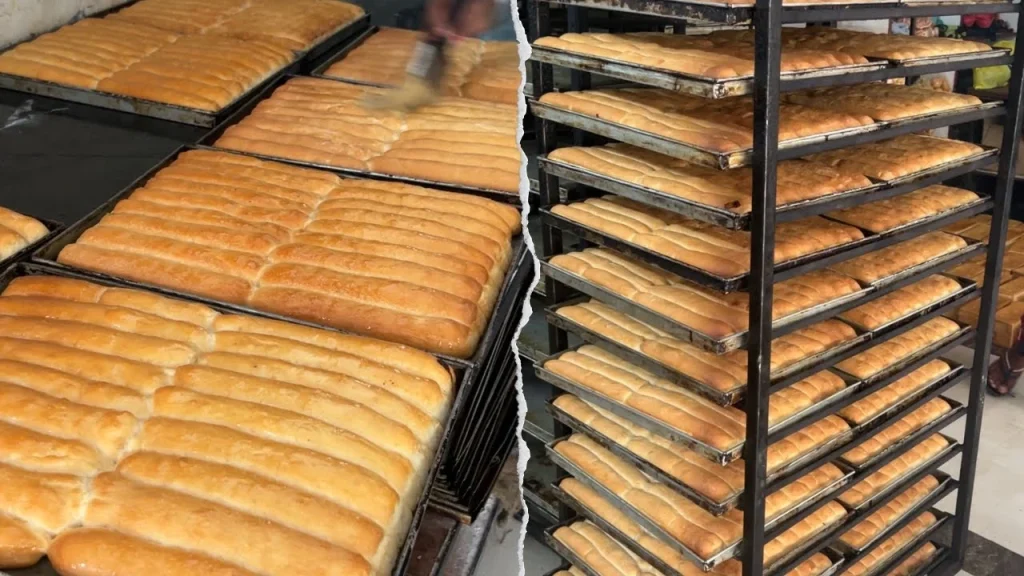
The Portuguese didn’t just bring pav; they brought baking culture. They settled in Goa, Daman, Diu, and Bombay (Mumbai), where they established bakeries using European baking techniques. While Goa continued using local toddy for fermentation, Mumbai evolved into a pav powerhouse, thanks to Muslim and Irani bakers who started making it in bulk.
Why Is It Called ‘Pav’?
There are two theories behind the name:
- Portuguese Connection: The name pav likely comes from the Portuguese word “pão”, meaning bread.
- Hindustani Influence: Some believe it’s called pav because it was sold as a four-part loaf (paav means “quarter” in Hindi/Marathi).
Regardless of the origin, pav became a street food sensation in Mumbai.
How Pav Became Mumbai’s Favourite Bread
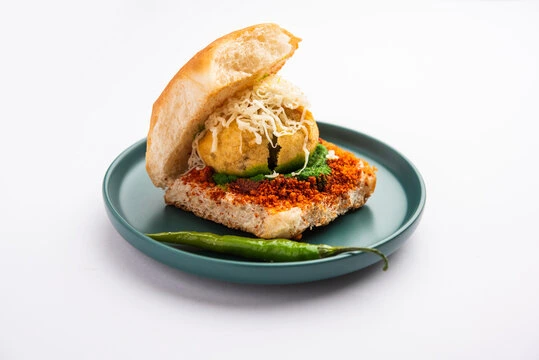
Mumbai’s working class fueled pav’s popularity. During the British era, Mumbai was booming with mills, docks, and factories. Workers needed cheap, filling food that was quick to eat, and pav was the perfect fit.
By the 1970s and 1980s, the Indian government subsidised maida (refined flour) to ensure that bakeries could mass-produce pav at affordable rates. This move ensured pav remained a staple for the masses.
As bakeries flourished, so did Mumbai’s street food culture. Vendors began pairing pav with everything—from vada (fried potato dumpling) to bhaji (spicy mashed vegetables). This led to the creation of legendary dishes like:
- Vada Pav – Mumbai’s iconic “burger”
- Pav Bhaji – A buttery, spicy vegetable mash
- Misal Pav – A fiery Maharashtrian delicacy
- Keema Pav – Minced meat curry served with pav
By the time the 21st century arrived, pav was no longer just a street food item. It had entered homes, restaurants, and even five-star hotels. Yani Bambai ka pav game ekdum solid hai, boss!
Pav Across the World: What’s It Called?
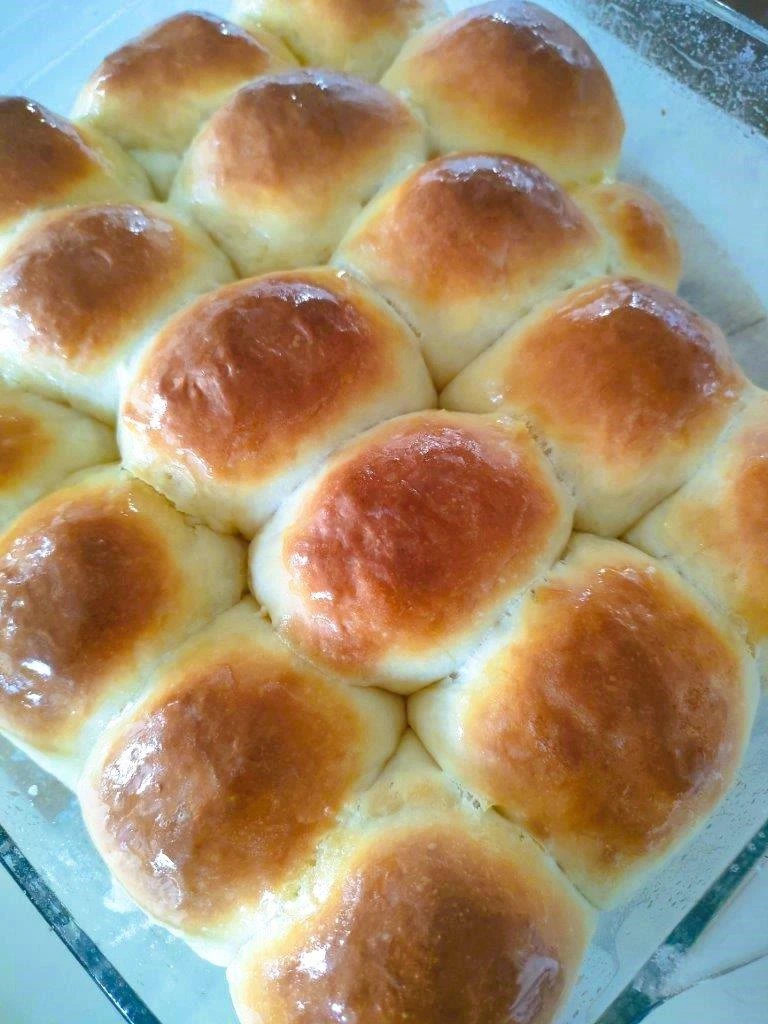
While India calls it pav, many countries have their own versions of this beloved bread:
- Portugal: Papo-seco / Carcaça
- France: Petit pain
- Italy: Panino
- Germany: Brötchen
- UK: Bread roll
- USA: Dinner roll
- Brazil: Pão francês
- Mexico: Bolillo
- Philippines: Pandesal
Though the texture and taste vary, the concept remains the same-a soft, versatile bread that pairs well with almost anything!
How Many Pavs Does India Consume?
Pav is one of the most consumed breads in India, especially in Western India. According to the All India Bread Manufacturers’ Association (AIBMA):
- India’s per capita bread consumption is 1.5 to 1.75 kg annually.
- Regional bread consumption:
- North India: 27%
- South India: 32%
- West India (including Maharashtra): 23%
- East India: 18%
Mumbai alone devours lakhs of pavs daily, given its love for vada pav, misal pav, and pav bhaji.
City-Wise Pav Consumption in India
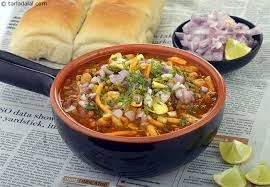
Accurate city-wise data is limited, but Mumbai dominates the pav consumption charts. Some estimates suggest:
- Mumbai – Consumes lakhs of pavs per day, thanks to its street food culture.
- Pune – A significant consumer, especially for misal pav.
- Ahmedabad – Rising pav consumption due to the popularity of street food.
- Delhi – Pav bhaji and vada pav are gaining traction, but bread varieties dominate.
- Kolkata & Chennai -Limited pav demand, with preference for local breads.
Pav Production in Mumbai
Mumbai’s pav comes from a mix of organised and unorganised sectors. While exact numbers are scarce, local bakeries play a pivotal role.
- The All India Bread Manufacturers’ Association (AIBMA) estimates there are 75,000 bakers across India.
- Mumbai has hundreds of small, family-run bakeries that supply fresh pav daily.
- Unlike mass-produced loaves, Mumbai’s pav is made fresh every day and has a short shelf life.
The Pav Powerhouse
From Portuguese pão to Mumbai’s pav, this humble bread has come a long way. It started as a European import but has now become one of India’s most loved foods. Whether dipped in bhaji, stuffed with vada, or paired with spicy keema, pav has proved that sometimes, the simplest foods have the richest histories.
Agle baar jab vada pav ka chuski maaro ya pav bhaji ki plate clean karo, yeh mat bhoolna ki yeh chhoti si bread ek bade historic safar se aayi hai!
