 Deshwale
India Rolls Out Biometric E-Passports: A New Era of Secure Travel Begins
In brief · AI summary India has officially launched biometric e-passports with embedded microchips that store personal and biometric data to improve security and speed up immigration. The e-passports began being issued in May 2025 in phases, starting in 13 cities, and traditional passports remain valid until they expire.
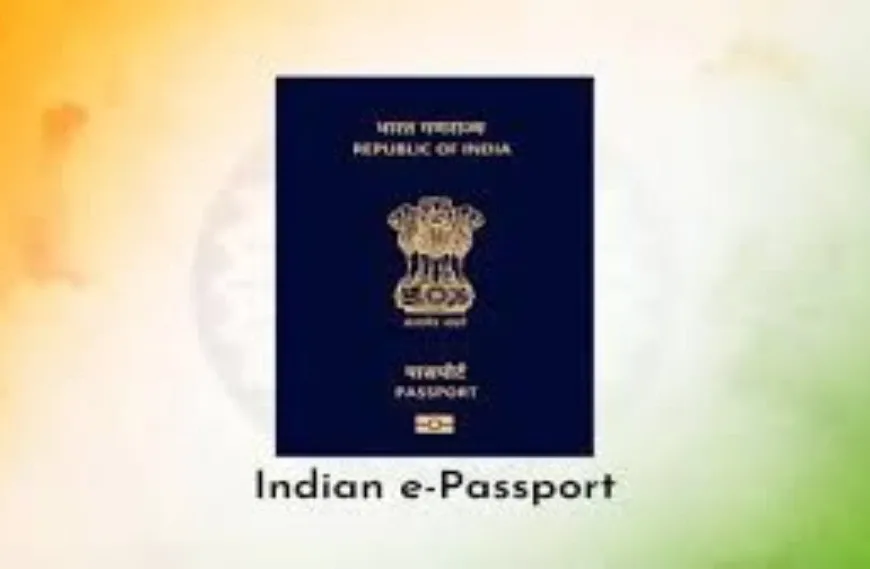
India has taken a major step in revolutionising international travel by officially launching biometric e-passports equipped with advanced security features. With this move, the country joins over 120 nations—including the United States, Canada, Japan, France, and Australia—that have already implemented such technology to enhance identity verification, curb forgery, and streamline immigration procedures.
What Is an E-Passport?
An e-passport, also known as a biometric passport, is a digitally enhanced version of the traditional passport. It contains an embedded microchip that securely stores personal data and biometric information such as facial recognition details and fingerprints. The front cover of the e-passport carries a small gold symbol indicating that the passport includes an electronic chip.
This microchip allows immigration systems to read and verify the holder’s identity electronically, significantly reducing the chances of document fraud and misuse.
Why E-Passports Matter
The launch of e-passports is not just a tech upgrade—it represents a major leap in travel security and convenience. Here’s how:
- Enhanced Security: E-passports are extremely difficult to duplicate or alter due to their encrypted chips and digitally signed data. This helps combat identity theft and fraud.
- Faster Immigration Clearance: These passports enable quicker processing at automated e-gates in airports worldwide, minimising wait times for passengers.
- Global Recognition: E-passports comply with International Civil Aviation Organization (ICAO) standards, ensuring acceptance across more than 120 countries.
- Efficient Data Management: Digitally stored information allows for easy updates and better coordination with national and international security databases.
- Support for India’s Digital Push: This move complements India’s broader digital infrastructure efforts and modernisation of citizen services.
Where Are They Being Issued?
India began issuing e-passports in May 2025 in a phased manner, starting with 13 cities including Delhi, Mumbai, Bengaluru, Chennai, and Hyderabad. The e-passports are being manufactured domestically at the India Security Press in Nashik, Maharashtra, with plans to roll them out nationwide by mid-2025.
How to Apply for an E-Passport
Applying for an e-passport is similar to the process for a traditional one, but with a few key upgrades. Here’s how Indian citizens can apply:
- Register Online: Visit the Passport Seva Portal and create a user account.
- Login and Fill Form: Choose “Apply for Fresh Passport/Re-issue of Passport” and complete the application form.
- Pay and Book Appointment: Use the online payment system to pay passport fees and schedule your appointment at a nearby Passport Seva Kendra (PSK) or Post Office Passport Seva Kendra (POPSK).
- Print Application Receipt: Save and print your appointment confirmation containing your Application Reference Number (ARN).
- Visit PSK/POPSK: On your appointment day, visit the centre with original documents for biometric data capture and verification.
- Track Status: You can track the application status online using your ARN.
Citizens renewing expired passports can also opt for an e-passport, while existing traditional passports will remain valid until their expiry.
Transition and compatibility
The government has clarified that traditional passports will continue to be accepted for travel until their natural expiration. There’s no urgent need for existing passport holders to switch unless they are applying for renewal. Upon renewal, the e-passport will be issued automatically.
This phased rollout ensures a smooth transition without disrupting current travel plans. It also allows infrastructure like airport systems and security checks to be updated in line with the new technology.
India joins the global league
With this development, India becomes part of a global league of countries that prioritise secure and seamless travel experiences for citizens. E-passports have already been successfully adopted by countries such as Germany, the UK, Singapore, and the UAE. These nations have seen a marked improvement in both the security and speed of immigration systems, something India now aims to replicate.
The road ahead
The e-passport initiative is a significant milestone in India’s digital journey. It offers both functional improvements and a symbol of technological progress. The shift comes at a time when identity verification and data privacy have become major global concerns. By introducing these next-generation passports, India is not only upgrading its travel document system but also reinforcing its national security architecture.
As the adoption grows, the government is expected to add more features, possibly integrating mobile passport apps or facial recognition for touchless verification in the future.