




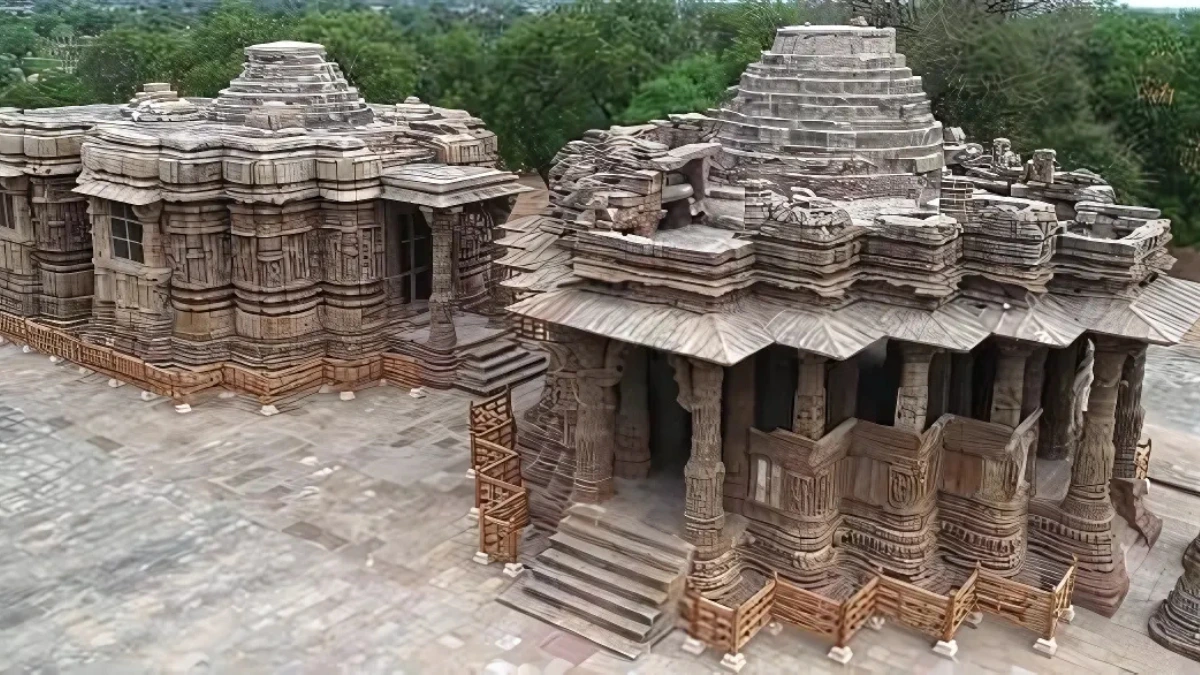
Massive Push to Preserve India’s History
India is racing to protect its rich cultural heritage. The National Mission on Monuments and Antiquities (NMMA), launched in 2007, has taken major steps in digitizing historical records. A staggering 12,34,937 antiquities have been recorded so far. These include coins, sculptures, manuscripts, and ancient artifacts from ASI museums, private institutions, and state collections. Additionally, 11,406 built heritage sites and monuments have been documented across the country.

Why Heritage Digitization is Crucial
India’s historical wealth spans from prehistoric times to the colonial era. However, many heritage sites remain undocumented, leading to neglect and illegal trade. The absence of a unified digital database makes research, conservation, and restoration challenging. NMMA is addressing this gap by systematically cataloging these treasures, ensuring their protection for future generations.
Key Achievements of NMMA
- 12.34 lakh antiquities digitized, including rare manuscripts, sculptures, and paintings.
- 11,406 heritage sites documented, covering temples, forts, and ancient structures.
- ₹20 lakh budget allocated for 2024-25 to continue digitization efforts.
- Standardized documentation to ensure accuracy and easy accessibility.
- Training programs launched to educate conservation professionals and researchers.
What Qualifies as Antiquity?
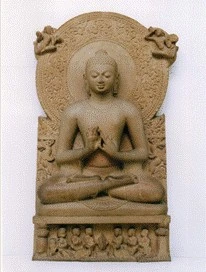
The Antiquities and Art Treasures Act, 1972, defines an antiquity as an object over 100 years old. These include coins, sculptures, epigraphs, and objects of historical, scientific, artistic, or religious value. Art treasures, meanwhile, are artworks of exceptional aesthetic significance, even if they are not centuries old. The government regulates these items to prevent illegal trade and ensure proper preservation.
Digital Tools: Revolutionizing Heritage Conservation
Technology is playing a crucial role in safeguarding India’s cultural heritage. Advanced digital tools, such as 3D scanning, virtual reality (VR), artificial intelligence (AI), and high-resolution imaging, have transformed heritage conservation. These innovations enable:
- Virtual reconstructions of damaged or lost structures.
- Digital archives to store ancient manuscripts and artworks in high resolution.
- Interactive experiences that allow students and tourists to explore monuments virtually.
- AI-powered research tools that help historians analyze ancient texts and artifacts.
Digitization is just the first step. NMMA aims to enhance public awareness, train experts, and promote research in cultural conservation. A unified national heritage database will not only aid restoration efforts but also strengthen India’s cultural identity globally. By combining technology and traditional conservation methods, India is ensuring that its past remains accessible, protected, and celebrated for generations to come.
