




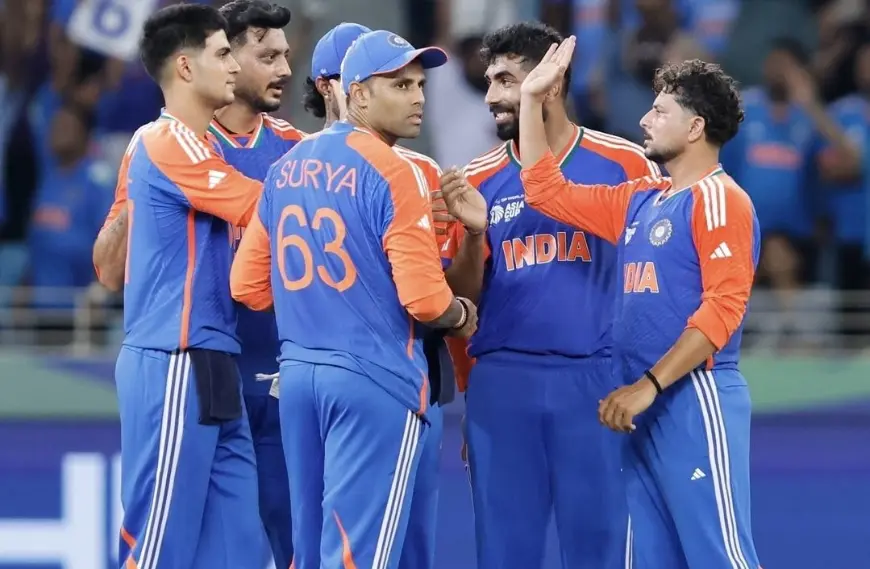
In a politically charged Asia Cup 2025 match between India and Pakistan on September 14 in Dubai, the Indian cricket team’s refusal to engage in the customary post-match handshake with Pakistan players has sparked significant diplomatic discussions and raised questions about sportsmanship.
Indian captain Suryakumar Yadav, after leading his team to a seven-wicket victory, dedicated the win to the victims of the Pahalgam terror attack and the Indian armed forces. This gesture was interpreted by many as a form of tribute to the victims and a statement of solidarity with the armed forces. However, the refusal to shake hands with the Pakistan team, both during the toss and after the match, has led to criticism and controversy.
Pakistan’s head coach, Mike Hesson, expressed disappointment over the Indian team’s actions, stating that the Pakistan players were ready to engage in the traditional post-match handshake but were met with the Indian team’s absence from the field. Pakistan captain Salman Ali Agha reportedly skipped the post-match presentation ceremony in protest.
The Pakistan Cricket Board (PCB) has lodged an official protest with the International Cricket Council (ICC), condemning the Indian team’s actions as unsportsmanlike and urging for appropriate measures to be taken. The incident has ignited debates on social media and in sports communities about the intersection of politics and sportsmanship.
This incident underscores the complex relationship between sports and politics, highlighting how actions on the field can have far-reaching diplomatic implications. As the Asia Cup progresses, the repercussions of this no-handshake incident may continue to influence the dynamics of international cricket and the broader discourse on sportsmanship and national sentiment.
