




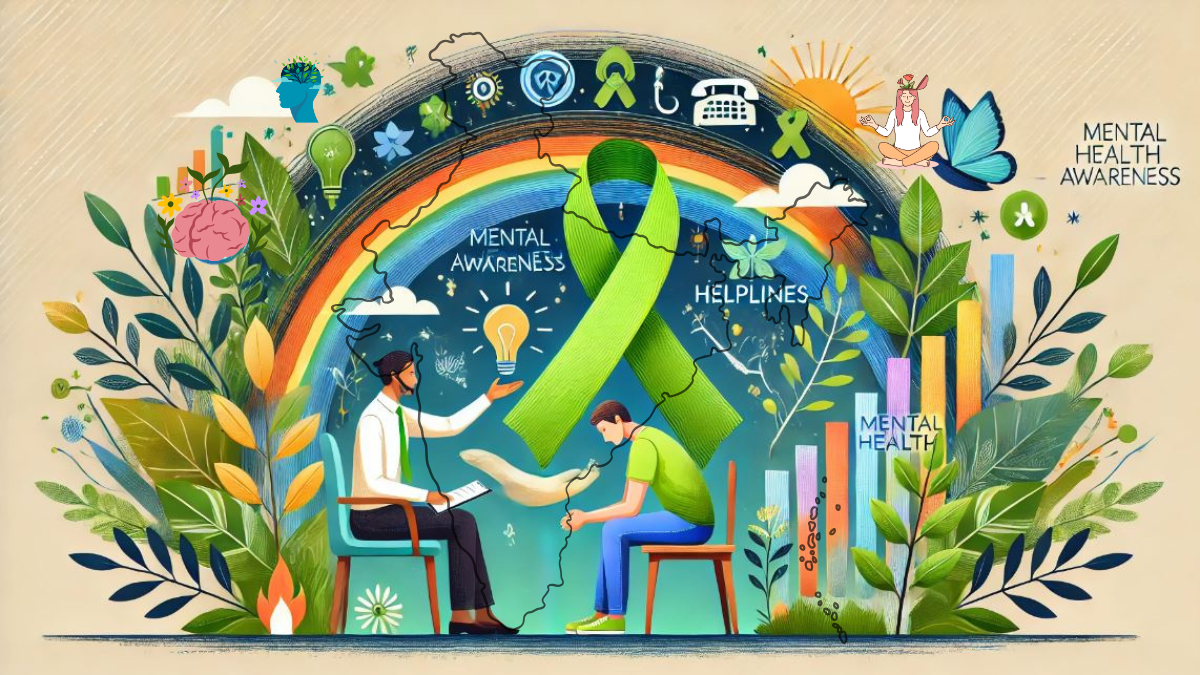
A recent study published in The Lancet Public Health brings encouraging news—India’s suicide death rate has dropped by over 30% from 1990 to 2021. The findings indicate that awareness campaigns, mental health initiatives, and policy interventions have made a significant impact in reducing suicide cases across the country.
According to data from the Global Burden of Diseases, Injuries, and Risk Factors Study (GBD) 2021, India’s suicide rate has declined from 18.9 per lakh population in 1990 to 13 per lakh in 2021. While India still accounts for a large number of suicides globally, the downward trend suggests that preventive measures and increased mental health support are yielding results.
Experts attribute this improvement to expanded access to counselling services, suicide prevention helplines, and public awareness campaigns such as Jeevan Aastha and Kiran Helpline. Additionally, government policies focusing on mental health and social security programs have helped address some of the key stressors leading to suicide.
Despite this positive shift, challenges remain—particularly among young adults aged 15-39 years, where family issues, financial distress, and mental health struggles continue to be major concerns. The report highlights the need for continued investment in mental health infrastructure, decriminalisation of suicide attempts, and better access to psychiatric care, especially in rural areas.
Globally, suicide remains a serious public health concern, with 740,000 cases reported annually—one every 43 seconds. India’s progress, however, serves as a model for other developing nations striving to curb suicide rates through early intervention and improved healthcare access.
With consistent efforts, awareness, and stronger mental health policies, India is on track to further reduce suicide rates and ensure better emotional well-being for its citizens.
