 Deshwale
Isfahan: Iran’s Timeless Jewel Amidst Modern Tensions
In brief · AI summary The article describes Isfahan, an ancient city on the Zayandehroud River, through the eyes of Hajji Baba, the roguish adventurer in James Morier's novel The Adventures of Hajji Baba of Ispahan. It highlights the city's bazaars, mosques, bridges, and history, including its golden era under Safavid Shah Abbas I, who made it his capital in 1598. The article also notes that Isfahan drew global attention in June 2025, when US forces struck its nuclear facilities.
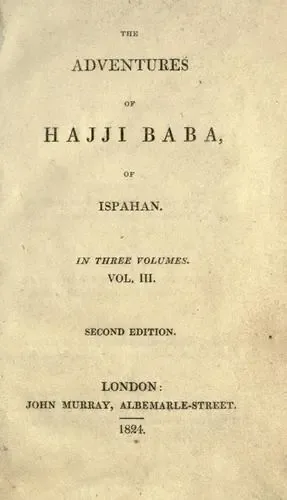
In James Morier’s 1823 novel The Adventures of Hajji Baba of Ispahan, translated into Gujarati as Hajibabana Sahaso, the roguish Persian adventurer Hajji Baba brings Isfahan’s vibrant streets to life. A bestseller satire, it mocks Persia’s despotic Shah and corrupt courtiers through Hajji’s witty tales of survival and success. Inspired by Morier’s six years in Persia, the book’s vivid details of bazaars, mosques, and bridges fooled Persians into believing it was written by a native. Part picaresque novel, part cultural caricature, it remains a classic, offering Indian readers a glimpse into Isfahan’s 19th-century allure, as explored in Henry McKenzie Johnston’s Ottoman and Persian Odysseys.
Nestled along the banks of the Zayandehroud River, Isfahan dazzles as Iran’s cultural crown, a city so enchanting it’s called “Nesf-e-Jahaan” or “Half the World.” In June 2025, it grabbed headlines when US forces struck its nuclear facilities, thrusting this ancient hub into the spotlight of global tensions. Yet, beyond the geopolitics, Isfahan’s charm lies in its history, architecture, and vibrant soul, vividly captured in James Morier’s The Adventures of Hajji Baba of Ispahan. Through the eyes of Hajji Baba, a roguish Persian adventurer, we explore Isfahan’s bustling bazaars, majestic mosques, and iconic bridges. This article delves into the city’s rich past, its architectural splendour, and its resilience, blending Hajji Baba’s fictional journey with Isfahan’s real-world allure.
Isfahan, 440 kilometres south of Tehran, thrives at the crossroads of Iran’s ancient trade routes. Home to 2.2 million people, it’s Iran’s third-largest city, its semi-arid plains softened by the Zayandehroud’s flow. In The Adventures of Hajji Baba of Ispahan, Hajji Baba arrives in this bustling hub, awestruck by its vibrant markets and riverbanks lined with willows. The city’s story stretches back to ancient Persia, with names like Sepahan and Apadana hinting at its pre-Islamic roots. Its golden era dawned in 1598 when Safavid Shah Abbas I made it his capital, turning Isfahan into a global marvel. He welcomed Turkish, Armenian, and Persian artisans, fostering a cultural boom. Today, despite water shortages drying the Zayandehroud at times, Isfahan’s legacy as a trade and cultural nexus endures.
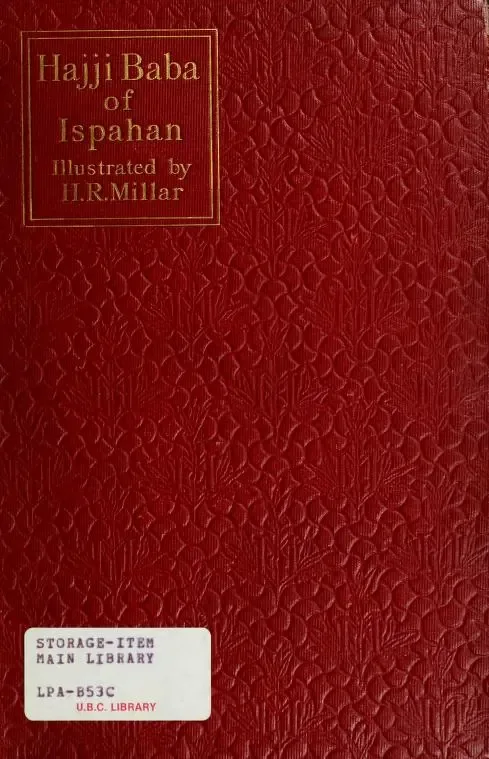
In James Morier’s 1824 novel The Adventures of Hajji Baba of Ispahan, translated into Gujarati as Hajibabana Sahaso, the protagonist Hajji Baba, a cunning yet endearing barber-turned-merchant, navigates Isfahan’s vibrant streets. Written in English and inspired by Morier’s travels in Persia, the novel paints a vivid, satirical portrait of 19th-century Isfahan. Hajji Baba haggles in the Grand Bazaar, marvels at the Shah Mosque’s domes, and swaps tales with traders under the Si-o-se-pol Bridge. His adventures—full of wit, deception, and charm—reveal Isfahan as a city of opportunity and intrigue. The Gujarati translation captures the city’s sensory overload, from the scent of saffron to the chatter of merchants, making it relatable for Indian readers. Hajji Baba’s journey offers a timeless lens, blending humour with cultural insights, to explore Isfahan’s enduring spirit.
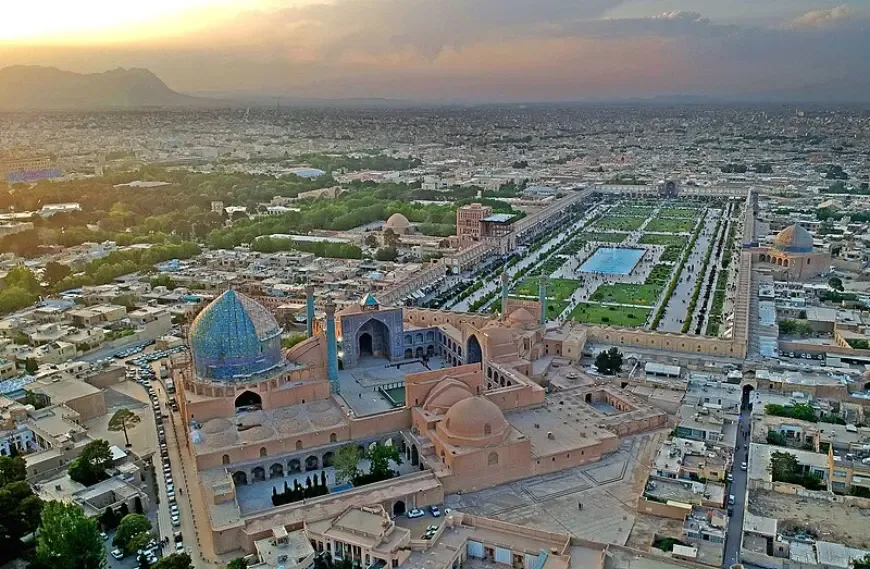
Isfahan’s heart beats in Naqsh-e-Jahan Square, a UNESCO World Heritage Site and one of the world’s largest public plazas. Hajji Baba, in Morier’s tale, stands spellbound by the Shah Mosque’s turquoise tiles, their intricate patterns shimmering under the sun. Its towering minarets and seven-colour mosaics embody Safavid artistry. Across the square, the Sheikh Lotfollah Mosque glows with golden light, its delicate dome a haven for quiet reflection. The Ali Qapu Palace, with its music room and stucco ceilings, looms nearby, where Shah Abbas once hosted dignitaries. Hajji Baba, ever the observer, notes the palace’s view over the square, alive with polo games and traders. These landmarks, still pristine, draw travellers to marvel at Isfahan’s architectural genius.
The Zayandehroud’s bridges are equally iconic. The Si-o-se-pol, with 33 elegant arches, spans the river like a stone poem. In the novel, Hajji Baba lingers here at dusk, watching locals sip tea in its shaded vaults. The Khaju Bridge, both dam and gathering spot, hums with poets and musicians, a scene Morier’s hero soaks in with delight. Though modern droughts sometimes dry the river, these bridges remain symbols of Isfahan’s grace, inviting visitors to stroll and dream.
Isfahan’s bazaars pulse with life, much as they did in Hajji Baba’s day. The Grand Bazaar, stretching from Naqsh-e-Jahan, brims with handwoven carpets, silver jewellery, and pistachio sweets. Hajji Baba haggles for a kilim rug, charmed by a vendor’s tales of nomadic weavers. Today, the bazaar’s arched alleys still buzz, earning Isfahan a spot in UNESCO’s Creative Cities Network in 2015 for its crafts. Artisans hammer copper, paint miniatures, and weave silk, preserving traditions that captivated Morier’s hero.
The city’s diversity adds depth. Shah Abbas’s resettlement brought Armenians to New Julfa, where churches like Vank Cathedral stun with frescoes. Hajji Baba visits these quarters, intrigued by their blend of Christian and Persian cultures. Isfahan’s Jewish heritage, reflected in its old name “Yahudieh,” lingers in historic synagogues. This cultural mosaic, woven through centuries, makes Isfahan a beacon of coexistence, even in turbulent times.
Beyond its historical allure, Isfahan is a modern powerhouse. The Mobarakeh Steel Company, the Middle East’s largest, fuels construction, while the Isfahan Steel Company excels in alloys. Hajji Baba, in his fictional travels, notes the city’s smoky outskirts, where factories hum alongside minarets. The city hosts a major oil refinery and HESA, Iran’s leading aircraft manufacturer, producing military jets. Its airbase, home to ageing F-14 Tomcats, underscores its strategic role.
Isfahan’s nuclear facilities, including a uranium conversion plant, thrust it into global focus. In June 2025, US forces struck these sites, part of “Operation Midnight Hammer” alongside Israeli attacks on Natanz and Fordo. The strikes targeted centrifuge workshops, with no civilian casualties or radioactive leaks reported, per the IAEA. Iran’s measured response, led by Foreign Minister Abbas Araghchi, hints at diplomatic restraint, but tensions linger. Hajji Baba’s Isfahan knew no such conflicts, yet his tales of resilience echo the city’s enduring spirit.
Isfahan faces modern challenges, notably water scarcity. The Zayandehroud, vital to farmers, often runs dry, sparking protests. In Hajibabana Sahaso, Hajji Baba mourns the river’s empty bed but finds solace in the city’s vibrant life. The handicrafts industry, generating $500 million yearly, thrives, with 780 ornamental fish farms supplying 28% of Iran’s stock. Isfahan’s people, like Hajji Baba’s witty merchants, adapt with ingenuity, balancing tradition with survival.
Isfahan is more than a city—it’s a story. Its mosques, bridges, and bazaars, immortalised in The Adventures of Hajji Baba of Ispahan, draw travellers to a world where history and beauty intertwine. The novel’s Gujarati translation, Hajibabana Sahaso, brings its magic to Indian readers, evoking Isfahan’s sensory richness. Despite 2025’s attacks, the city stands firm, its minarets piercing the sky, its markets buzzing with life. For travellers, it offers a journey through time—stroll Naqsh-e-Jahan, cross the Si-o-se-pol, taste saffron sweets. For Indian readers, Hajji Baba’s adventures mirror their own love for vibrant, storied places. Isfahan, resilient and radiant, invites you to explore its wonders and write your own tale.