 Deshwale
Jet Fuel vs Petrol & Diesel: What Powers Planes Isn’t What Powers Roads
In brief · AI summary Jet fuel is designed for extreme conditions such as freezing temperatures, high altitudes, and long-distance flights, and it is made to a different standard than petrol and diesel. Although all three are refined from crude oil, jet fuel undergoes extra processing to remove water and sulphur and must meet strict performance specifications. The article notes that jet fuel is rarely the direct cause of a plane crash, though fuel-related issues such as contamination or fuel starvation can play a role in some incidents.
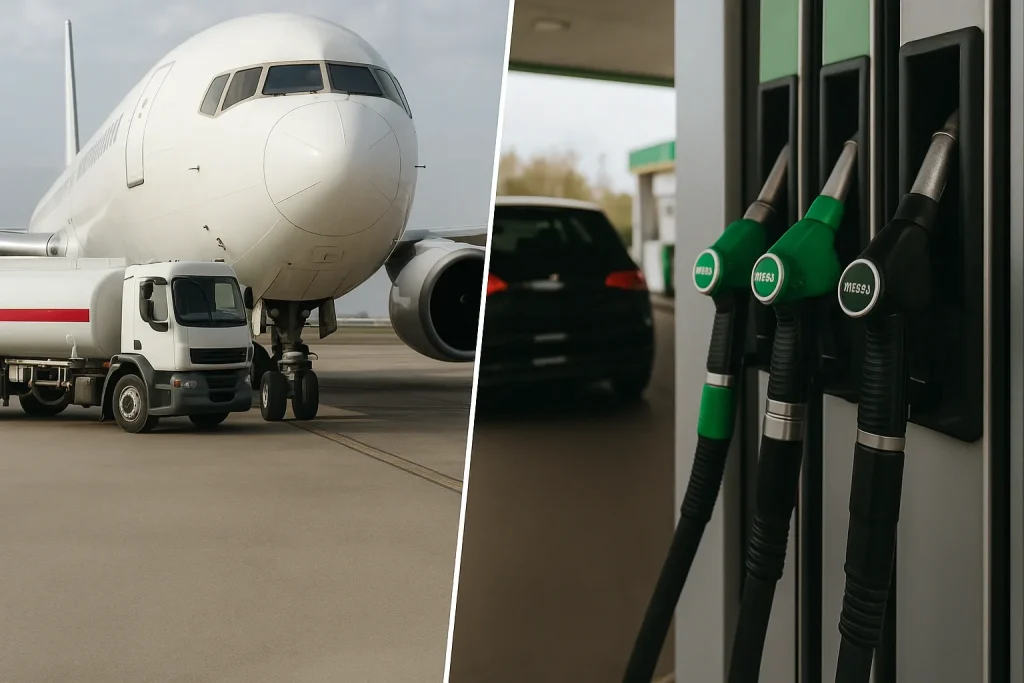
We often think of fuel as something we put into our cars or bikes – petrol or diesel from the nearest fuel station. But the fuel that keeps aircraft flying is very different. Jet fuel is designed to perform in some of the most extreme conditions: freezing temperatures, high altitudes, and long-distance flights. It’s made with a completely different purpose and standard compared to road fuels.
The recent Air India plane crash in Ahmedabad has led many to wonder what might have gone wrong. While the exact cause remains under investigation, such incidents often bring attention to the hidden systems behind air travel – one of them being the fuel that powers these complex machines. So, what exactly is jet fuel, how is it different, and could it ever play a role in aviation failures?
Let’s break it down.
What is Jet Fuel?
Jet fuel, also known as aviation turbine fuel (ATF) or avtur, is a type of fuel made specifically for aircraft powered by gas-turbine engines. This includes commercial planes and military jets. It is typically colourless to straw-coloured, thin in consistency, and smells different from petrol or diesel.
Jet fuel is a mixture of various hydrocarbons, which are refined from crude oil. Since different sources of crude oil can lead to slightly different fuel compositions, jet fuel is not defined by one chemical formula. Instead, it is manufactured to meet strict performance specifications, including freezing point, flash point, density, and thermal stability.
How is Jet Fuel Made? A Brief History
Jet fuel is produced through the refining of crude oil, much like petrol and diesel. However, it undergoes additional processing and filtration to ensure it remains stable at high altitudes and in freezing conditions. Water and sulphur are removed to prevent corrosion and ice formation in aircraft engines.
Jet fuel use began during World War II, when early jet-powered military aircraft needed a stable, efficient fuel. Over the years, jet fuel has been standardised for global use to ensure consistent performance, safety, and availability.
Types of Jet Fuel
There are several types of jet fuel, each with specific uses:
- Jet A: Used mainly in the United States. Suitable for commercial aviation.
- Jet A-1: The most commonly used jet fuel worldwide. It has a lower freezing point (-47°C), making it better for long-distance flights.
- Jet B: A lighter fuel that works better in very cold climates. It’s more volatile and used less often.
- Military Fuels (JP-5, JP-8): Special grades for military aircraft, with added performance features and safety standards.
- Sustainable Aviation Fuel (SAF): Made from renewable sources like used cooking oil, plant material, or algae. SAF helps reduce carbon emissions and is being adopted by many airlines globally.
- Avgas (Aviation Gasoline): A different type of fuel used in small piston-engine planes, not jets.
What is Petrol?
Petrol, also known as gasoline, is a clear to slightly yellow liquid used mainly in cars, scooters, and motorcycles. It is a lighter fuel that burns quickly and evaporates easily. Petrol is made from crude oil, processed through fractional distillation, and then mixed with additives to improve engine performance and reduce emissions.
There are different grades of petrol, such as regular, premium, and ethanol-blended fuels, depending on the octane level.
What is Diesel?
Diesel is a heavier and thicker fuel compared to petrol. It ranges from pale yellow to brown and has a higher energy content. Diesel engines work differently—fuel is injected into compressed air, where it ignites due to high temperature.
Diesel is also refined from crude oil and comes in various forms, including low-sulphur diesel and biodiesel, which is made from vegetable oil or animal fat.
Key Differences Between Jet Fuel, Petrol, and Diesel
| Feature | Jet Fuel (Jet A/Jet A-1) | Petrol | Diesel |
| Used In | Aircraft (jet engines) | Cars, bikes | Trucks, buses |
| Appearance | Colourless or straw-like | Clear to light yellow | Yellow to brown |
| Volatility | Moderate (controlled) | High | Low to moderate |
| Freezing Point | Very low (-47°C for A-1) | Not cold-weather ready | Can gel in cold |
| Energy Content | High | Medium | High |
| Flash Point | ~38°C | -43°C | ~52°C |
| Performance Basis | Strict specifications | Based on octane rating | Based on ignition quality (cetane) |
Can Jet Fuel Cause a Plane Crash?
Jet fuel is rarely the direct cause of a plane crash. It is one of the most strictly tested fuels in the world. However, fuel-related issues can still play a role in some aviation incidents. These include:
- Fuel contamination (presence of water or particles)
- Using the wrong type of fuel
- Fuel starvation (blockage or incorrect fuel load calculation)
- Fire or explosion after impact
Fuel is something we all use, but jet fuel is in a league of its own. It is engineered to perform at high altitudes, low temperatures, and over long distances. While it shares its roots with petrol and diesel, being refined from crude oil, it is made to a different standard entirely.
The Air India crash in Ahmedabad is a tragic reminder of how many systems must work perfectly to keep air travel safe. While we wait for the official findings, learning about what powers aircraft gives us a clearer picture of the safety measures built into modern aviation and how even something as basic as fuel plays a vital role.