




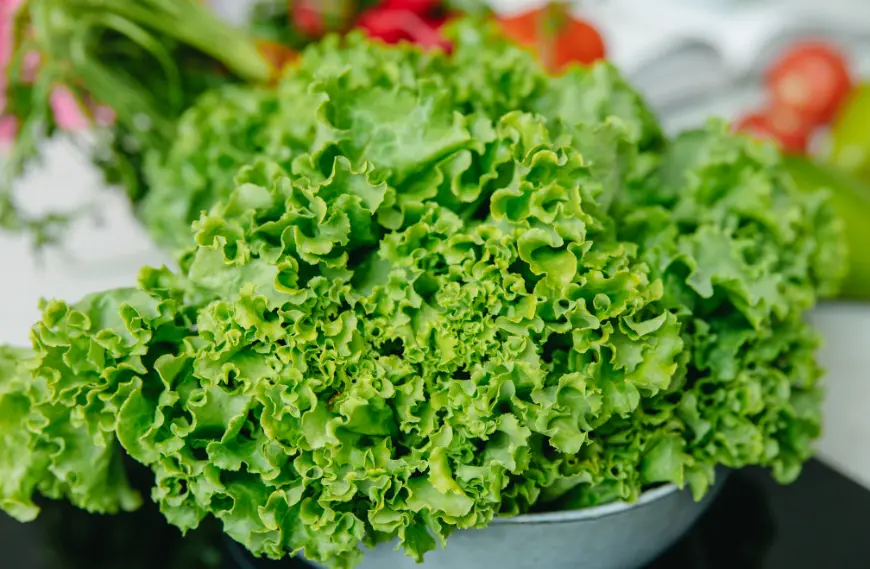
Leafy greens like spinach, kale, and arugula are nutritional giants, delivering vitamins, minerals, and fiber that bolster health worldwide per a 2024 Mayo Clinic report. One cup of spinach offers 181% of daily vitamin K, 56% of vitamin A, and 5 grams of fiber, supporting bone strength, vision, and digestion, with just 7 calories per USDA data.
Their nitrates lower blood pressure by 5 mmHg, reducing heart attack risk by 10% per a 2023 Circulation study of 50,000 adults. Daily intake of 100 grams cuts type 2 diabetes risk by 14% per a 2021 Diabetes Care meta-analysis, aiding 537 million diabetics globally per IDF 2024.
In India, greens like methi are staples, enhancing curries with iron, though bitterness deters some per a 2022 ICMR study. Rich in lutein, greens protect eyes, reducing macular degeneration risk by 20% per a 2020 Ophthalmology Journal study.
Challenges include oxalate content in spinach, which can trigger kidney stones in 10% of susceptible people per a 2023 NIH report, and pesticide concerns, with 65% of kale samples contaminated per EWG 2024.
Environmentally, greens are sustainable, requiring 200 liters of water per kg versus 1,250 for rice per WWF 2021, but industrial farming erodes soil in 30% of US fields. Culturally, greens star in Mediterranean salads and Asian stir-fries, though X posts show 55% of urbanites find organic options costly at $3 per bunch.
Accessibility issues persist, rural Africa lacks 40% of green produce due to transport per FAO 2023. Adding greens to smoothies or soups boosts intake, cementing their role as a low-calorie, high-impact health booster.
