




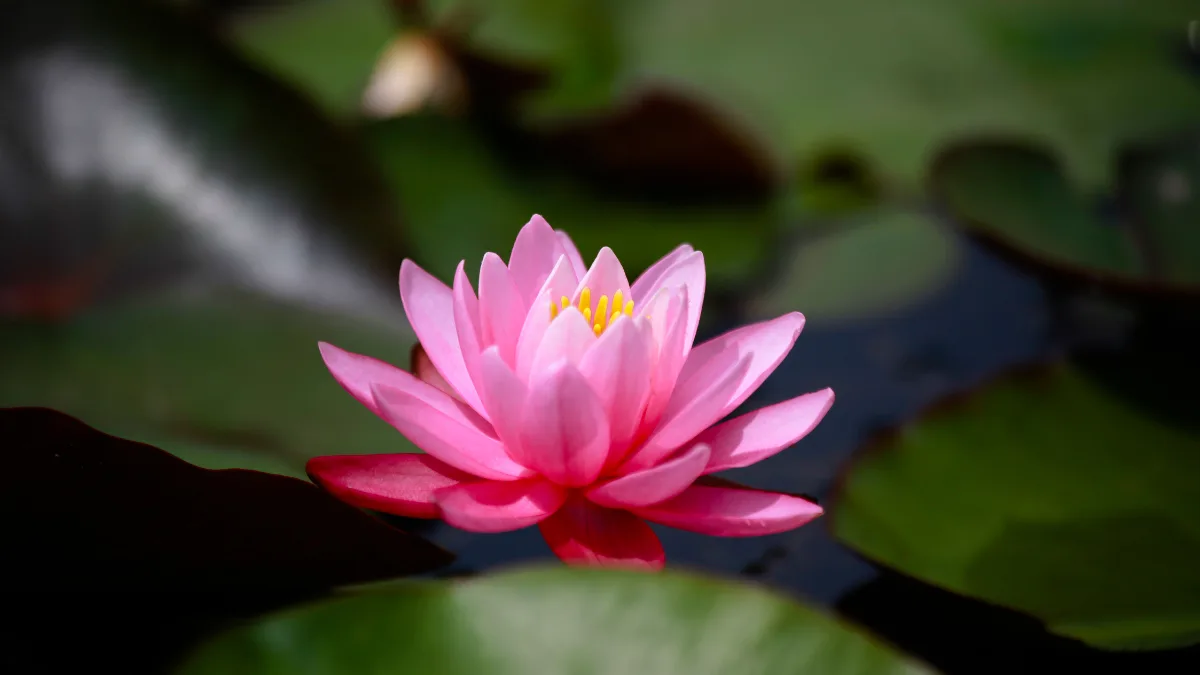
The lotus is more than just a beautiful bloom. Found across temple ponds in India and sacred shrines throughout Asia, this ancient flower has symbolised purity, endurance, and spiritual awakening for centuries. Its ability to rise clean and untouched from muddy waters has made it a timeless icon in art, culture, and religion. Yet beyond symbolism, the lotus is also a natural marvel, offering ecological benefits, practical uses, and inspiration for science.
From Mud to Miracle
The lotus (Nelumbo nucifera) thrives in still, shallow waters. Its roots sink deep into muddy beds while its large blossoms rise above the surface, untouched by the murk below. This unique growth pattern has inspired cultures across Asia to view the lotus as a symbol of transcendence — a reminder that something pure and beautiful can emerge from even the darkest places.
In Hindu traditions, deities like Vishnu and Lakshmi are often shown seated on lotus flowers. In Buddhism, it represents the path to enlightenment, highlighting how spiritual growth can flourish despite worldly suffering.
A Self-Cleaning Wonder
The lotus is not only a spiritual symbol but also a scientific marvel. Its leaves display what scientists call the Lotus Effect, a natural self-cleaning ability. Due to their microscopic waxy surface, water droplets slide off easily, carrying dirt and contaminants with them. This has inspired water-repellent technologies now used in fabrics, paints, and glass coatings.
Pillar of Wetland Ecosystems
Lotuses play a vital role in the health of freshwater habitats. Their roots help stabilise the soil, reducing erosion in wetlands and riverbanks. Their broad leaves create shade that cools water temperatures and limits harmful algae growth. In rice fields, lotus plants help by attracting beneficial insects that keep pests in check.
They also provide food and shelter for various aquatic species including fish, frogs, and insects, making them crucial to local biodiversity.
Edible, Healing, and Versatile
Every part of the lotus plant is useful:
- The rhizomes (underground stems) are a staple in many Asian dishes and are valued for their crunchy texture.
- Lotus seeds, also known as lotus nuts, are eaten roasted or boiled and added to soups or desserts.
- Young leaves and stems appear in regional salads and stir-fries.
Traditional medicine systems such as Ayurveda and Chinese medicine have used lotus parts for their calming, astringent, and anti-inflammatory qualities.
Rare Botanical Traits
Lotuses have several unique biological characteristics:
- They can warm their flowers to attract cold-blooded insects such as beetles.
- Their large leaves, often more than 60 cm across, are designed to absorb maximum sunlight.
- Lotus seeds are extremely durable. In fact, one ancient seed sprouted successfully after nearly 1,300 years.
Across Cultures and Time
The lotus has travelled through history and across borders:
- In ancient Egypt, blue lotuses symbolised rebirth and the rising sun, often shown in early artworks.
- In Chinese tradition, the flower represents purity, harmony, and marital happiness.
- In yoga, the padmasana or “lotus pose” symbolises balance and spiritual poise.
Its presence in diverse traditions shows how deeply its symbolism is embedded in human culture.
Under Threat, But Not Forgotten
Despite its strength and symbolism, the lotus faces serious environmental threats. Wetland destruction, pollution, and invasive species are putting its natural habitats at risk. Conservation efforts to protect wetlands are crucial not just for lotuses, but for the entire ecosystems they support.
As Vietnamese monk and peace activist Thich Nhat Hanh once said, “No mud, no lotus.” It is a powerful reminder that beauty and resilience are often born out of struggle. And the lotus, with its roots in darkness and face to the sun, continues to show us the way.
