




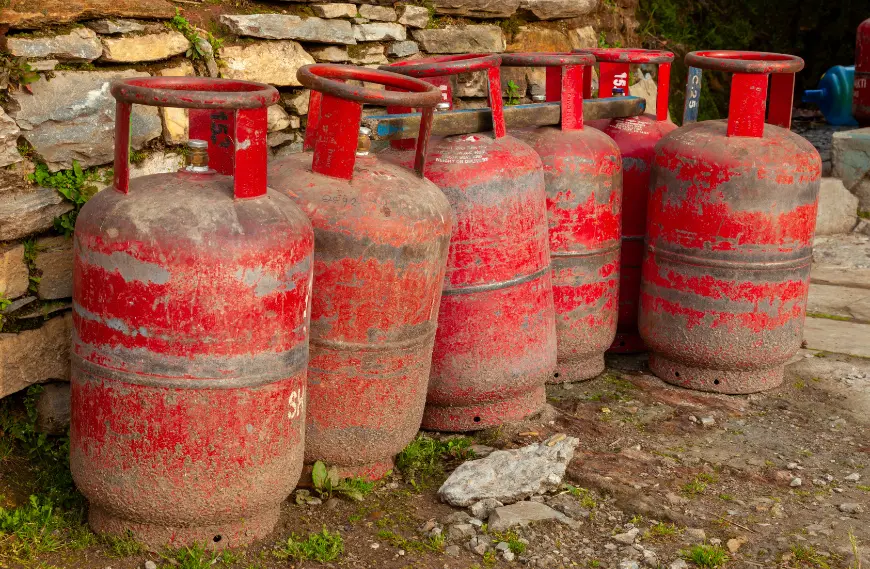
Cooking gas will now cost more across the country as the price of a 14.2 kg LPG cylinder has been increased by ₹50. The revised rates are effective from April 8 and apply to both Pradhan Mantri Ujjwala Yojana beneficiaries and general domestic consumers.
Under the new pricing, Ujjwala Yojana users will now pay ₹550 per cylinder, up from the earlier ₹500. Meanwhile, general consumers will have to shell out ₹853, instead of the previous ₹803. This is the first major hike in recent months and comes at a time when households are already facing inflationary pressure on essential goods and services.
The government stated that the price revision was necessary to balance out the financial losses suffered by public sector oil marketing companies. Indian Oil Corporation, Bharat Petroleum, and Hindustan Petroleum have reportedly been under strain due to prolonged subsidy burdens and international fuel price fluctuations. Together, they are believed to have absorbed losses worth ₹43,500 crore in recent years while keeping domestic LPG rates low.
Union Petroleum Minister Hardeep Singh Puri indicated that the LPG pricing system may undergo changes to reflect global market dynamics more closely. A more frequent review of LPG rates, possibly every 15 to 30 days, is being considered—similar to the way petrol and diesel prices are regulated.
While the central government will continue to provide direct bank subsidies for Ujjwala Yojana users, the actual subsidy amount may vary based on market movements and regional pricing. Still, many fear the net financial burden on lower-income households will increase.
This price hike affects over 30 crore LPG users across India, including nearly 10 crore families enrolled under the Ujjwala scheme. The rise in cost is expected to impact monthly household budgets, especially in urban and semi-urban areas where LPG remains the primary cooking fuel.
The decision has sparked political and public reactions, with opposition leaders criticising the timing of the hike. Many took to social media to express frustration, pointing out the growing pressure on middle- and lower-income families amid stagnant wages and high food prices.
The government, however, maintains that the revision is unavoidable in light of global trends and the need to protect the financial viability of oil companies responsible for delivering essential energy to Indian homes.
