




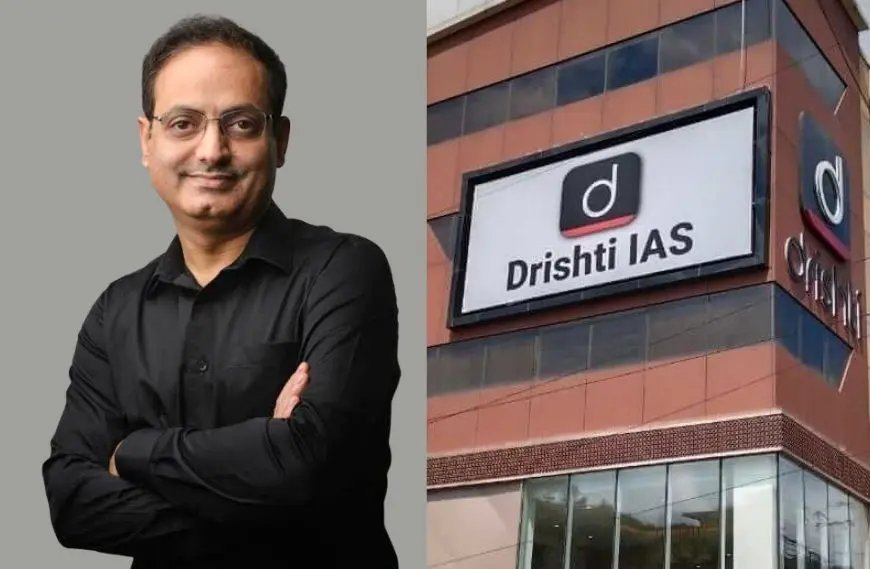
This is not the first time misleading UPSC ads, Drishti IAS fined again. When it comes to UPSC coaching, trust is everything. For thousands of aspirants, choosing the right institute can decide years of effort and savings. But the latest action by the Central Consumer Protection Authority (CCPA) shows how fragile that trust can be. Drishti IAS has been fined ₹5 lakh for publishing misleading UPSC ads about its 2022 results.
The fine is more than just figures on a poster. It’s about integrity, responsibility, and the student’s and parent’s right to make equitable decisions. And it is not the first time the institute has been in trouble.
Repeat offender exposed
This is not Drishti IAS’s first brush with penalties. In September 2024, it was fined ₹3 lakh for similar claims about the 2021 UPSC results. Back then, the institute advertised ‘150+ selections,’ but most of those candidates had only taken a short programme after clearing mains on their own.
Flash-forward to 2022, and the figures increased to ‘216+ choices.’ Again, most of the names belonged to students who had visited the free Interview Guidance Programme (IGP) only. Seven-fifths of the so-called candidates fell in this category. The actual figure that attended other paid classes was only 54.
The trend is obvious: repeat behavior, even after being cautioned. That brings about a larger question. How much can aspirants rely on these tall claims when facts are concealed?
Aspirants’ illusory hopes broken
For UPSC aspirants, every decision is crucial. Coaching is costly, time-consuming, and emotionally taxing. Most students and parents interpreted the bold ads of the institute as an indicator that the institute had taken candidates from the beginning stage to victory. However, the truth was otherwise.
When three out of four names in the advertisement only availed themselves of a free interview session, it is a misleading presentation. Students are likely to be tempted into joining expensive programmes based on exaggerated claims of success. For parents who are already struggling financially, such dishonest marketing tactics are not only unfair — they are cruel.
This episode is a reminder of how susceptible aspirants are in a hyper-competitive examination environment. Trust is sold as a commodity, but truth takes a back seat.
Warning shot to the industry
The penalty on Drishti IAS is not an isolated incident. It’s part of a greater crackdown. Already, 54 notices have been issued to coaching centers for such practices by the CCPA. A total of ₹90 lakh in penalties has been levied on 26 institutes. The message is loud and clear: play fair or pay up.
For the coaching sector, this must be the wake-up call. The market is vast, but credibility is thin. Institutes that overstate performance run the risk of losing the trust they rely on. The CCPA has also emphasised that all advertisements need to carry true disclosures, so students can make informed decisions. If the industry fails to correct itself, regulators will only tighten their stranglehold further.
At its essence, this is not a story about UPSC or coaching. It’s a story about consumer rights. Students and parents are consumers under the Consumer Protection Act just like buyers in any other market. They are entitled to transparency and fairness.
Section 2(9) of the Act entitles them to informed choice. By concealing important information, institutes withhold that right. Section 2(28) criminalises false advertisements. The sanction against Drishti IAS has its roots in these safeguards, demonstrating that the law acknowledges the stakes involved in education as it does business.
It also provides a precedent. Education is an aspiration-driven industry, perhaps, but that does not release it from consumer protections. The guarantee of success cannot be at the expense of integrity.
India’s coaching business is huge and increasing. Small towns to urban metropolises, UPSC aspirants dedicate years, and vast amounts — pursuing one of the world’s most difficult exams. With so much hanging in the balance, deceptive UPSC ads pierce deeper than any other industry.
The penalties might be small in the context of the money involved in the coaching industry, but the reputation cost is much higher. Every penalty erodes the credibility of institutes that are extremely dependent on advertisements. More significantly, it brings about a bit of balance for students who are entitled to truth rather than half-truths.
The repeated fine on Drishti IAS ought to make the entire industry take a pause. How many other success claims are exaggerated? How many ads keep important details under the wraps? CCPA’s list of actions growing longer demonstrates that this is not just one isolated issue.
Its future rests on trust. Students don’t anticipate miracles, but they do anticipate candor. If institutes keep preying, they will find regulators and judges intervening more forcefully. And once that is done, restoring credibility will be much more difficult than acquiring it in the first place
At the end of the day, deceptive UPSC advertisements are not only about statistics. They are about the hopes and choices of thousands of students. When an institution inflates success, it not only risks shattering more than just confidence. It risks shattering hope.
The newest fine on Drishti IAS is a warning. To students, it is a reminder to peek beneath the headlines of ads and ask harder questions. To the industry, it is a call to go back to honesty before regulation demands it.
Because in the high-stakes game of UPSC preparation, the truth is more important than the numbers.
Subscribe Deshwale on YouTube
