 Deshwale
From Congestion to Connection: How Suburban Trains Will Change by 2030
In brief · AI summary The article traces the history of Mumbai local trains, which began in 1853 with a passenger train running 34 kilometres from Bori Bunder to Thane. The network grew over the following decades, with the Western Line's first local service in 1867 and the first electric multiple unit in 1925. Today the trains connect millions of people daily.
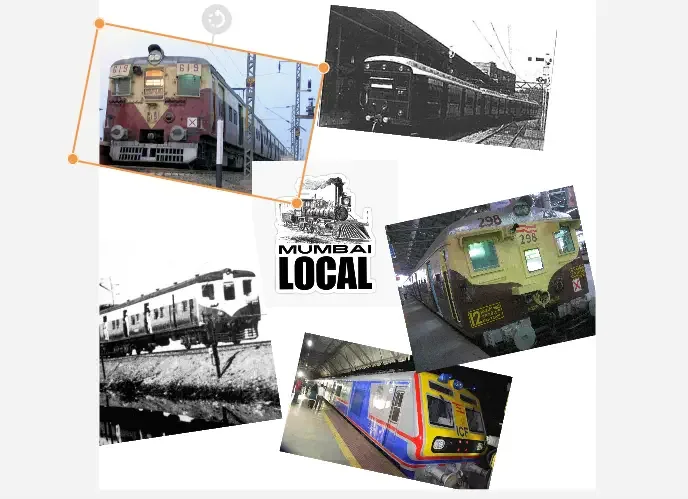
Imagine stepping onto a platform at dawn. The air hums with chatter. Horns blare. And there it is – a Mumbai local train, packed yet pulsing with life. These trains do not just carry people. They carry dreams, hustle, and the raw energy of Mumbai. As the city’s veins, Mumbai local trains connect millions daily. They started small. Now, they handle chaos with grace. Let me take you back. We will trace their roots. We will see how they grew. And we will share tales that stick.
Picture this. It is 16 April 1853. A crowd gathers at Bori Bunder – today’s Chhatrapati Shivaji Maharaj Terminus. Steam hisses. Wheels creak. The first passenger train in India rolls out. It heads from Mumbai to Thane, just 34 kilometres away. That short trip marks the birth of railways here. No one knows it yet. But this line becomes the Central Line of Mumbai local trains.
Engineers from Great Britain build it. They call it the Great Indian Peninsula Railway. The train pulls 14 carriages. About 400 passengers board. They cheer as it chugs along. For many, it is magic. Horses and bullock carts fade into dust. This iron horse promises speed. It links villages to the port city. Trade booms. People move easier. However, this is no daily local yet. It runs once a week at first. Excitement builds. Soon, more trips follow.
Next, the Western Line joins in. On 12 April 1867, the first local service starts. It runs from Virar to Backbay. The Bombay Baroda and Central India Railway runs it. Folks in Mumbai rejoice. Now, workers commute from suburbs. The city swells. Factories hire more hands. Mumbai local trains become tools for growth.
Those early years feel like adventure. Trains puff smoke. Stations sprout like weeds. In 1870, Churchgate opens on the Western Line. Commuters flock there. By 1873, Colaba Terminus starts. It serves the south end. But steam trains tire quickly. They halt often. Passengers wait in the heat.
Then, change comes. In 1887, daily services begin between Virar and Backbay. Riders grow to thousands. The network stretches. Tracks snake through swamps and hills. Workers lay rails by hand. Monsoons flood sites. Yet, they push on. By 1900, the system covers 60 kilometres. Daily trains number 50. Mumbai’s population hits one million. Local trains feed the boom.
Electrification whispers start. But it takes time. In 1925, the first electric multiple unit – or EMU – launches. It runs from CST to Kurla on the Central Line. No more smoke. Smoother rides. Faster speeds. Passengers love it. Crowds double overnight. The EMU sets the tone. Mumbai local trains enter a new era.
Growth never stops. Let us walk through the decades. In the 1930s, tracks extend to Karjat on Central. And to Mahim on Western. World War II slows things. But post-war, a rush hits. 1950 sees full electrification on Western. Trains zip at 80 km/h. Stations add platforms. Daily services hit 500.
The 1960s bring crowds. Population explodes. In 1965, Harbour Line starts from CST to Wadala. It eases pressure. But not enough. By 1970, over two million ride daily. Railways add bogies – those coaches you squeeze into. Steel ones replace wood. Safer now.
1980s test limits. Monsoon floods derail trains. Yet, upgrades roll. In 1984, Andheri station gets skywalks. Foot overbridges cut chaos. 1990s see computer signals. Trains run closer. Frequencies rise. But tragedies strike. The 1993 blasts shake the lines. Resilience shines. Repairs happen fast.
Into the 2000s, tech steps up. 2002 brings AC locals as trials. They cool the crush. 2007 plans more lines. But delays hit. Meanwhile, 2012 introduces ladies’ coaches with doors. Safety first. By 2015, mobile ticketing launches. No more queues. Riders swipe and go.
Recently, big leaps occur. In 2020, pandemic empties seats. But recovery surges. 2023 adds 12-coach trains. They hold 4,000 people. 2024 rolls out Kavach – anti-collision tech. Speeds climb. And in 2025, AC locals expand. More lines like Panvel fast corridor open. Mumbai local trains evolve. They match the city’s beat.
Now, think scale. Mumbai local trains carry over eight million passengers daily. That is more than many countries’ populations. The Western Line handles 3.5 million. It stretches 37 kilometres from Churchgate to Virar. Peaks see 1,500 per train. Folks hang from doors. Yet, they smile.
Central Line takes 4 million. From CST to Karjat, 54 kilometres. It peaks at 2,000 riders per coach set. Harbour Line adds one million. Together, they form a web. Annual trips top 2.6 billion. No holidays. Trains run 20 hours. From 4 am to midnight.
Why so many? Jobs pull people in. Mills, offices, markets. A domestic worker from Thane boards at 6 am. She cleans homes in Bandra. An engineer from Virar codes in Andheri. They trust the locals. Delays happen. But alternatives? Costly. Buses crawl. So, trains win. Upgrades help. New bogies add space. Frequencies hit every three minutes. Still, peaks overwhelm. Riders adapt. They share space. Form bonds.
For example, during 2025 upgrades, coaches grow to 15. AC options cool the sweat. Passenger numbers climb 10 per cent. Safety rises too. Fewer falls. The system strains. But it holds. Mumbai local trains prove unbreakable.
Behind the rush, stories bloom. Take the old lady of 1950s. Her train stops mid-way. She forgot her bag. The guard halts for her. Passengers clap. Kindness rules.
Or the windy prank. A boy loses his cap on Vashi bridge. Friends joke it flew to sea. Laughter echoes. Bonds form in the sway.
Darker tales exist. The 2006 blasts scar the Western Line. Eleven July. Bombs rip seven trains. Over 200 die. Mumbai weeps. Then stands. Funerals turn to resolve. Trains run next day. Riders board in silence. Unity grows.
Besides tragedy, joy thrives. A vendor sells chai between stops. He knows every face. “Beta, extra ginger?” he asks. Smiles break the grind. Or the accidental tourist. A visitor boards wrong. Locals guide him. “Next stop, turn left.” Mumbai welcomes.
These yarns capture essence. Mumbai local trains are not metal. They are people. Dreams clash. Hopes mingle. A singer strums guitar in the crowd. Songs rise above horns. Resilience defines it. Through floods, fires, pandemics. The spirit endures.
One more. In 2025, a viral leap. A man jumps moving train. Friends tease him mid-air. Video spreads. Laughter heals. It reminds us. Amid crush, humour saves.
But let us talk real risks. Every day, lives hang in the balance. Quite literally. Hanging on doors or footboards claims too many. In 2024 alone, 2,282 people died on these tracks. Many fell while clinging outside. Over the past 11 years, nearly 30,000 lost their lives network-wide. Falling off trains caused 6,760 deaths. That averages 10 souls a day. Young earners, mostly. Breadwinners gone in a blink.
Why? Rush hour tempts shortcuts. A door grab seems quick. But winds whip. Poles snag. One slip ends it all. Over 20 years, 51,000 families grieve. The toll shocks. Courts cry alarm. Railways act.
Good news brews. By December 2025, automatic doors roll out. First on 238 new AC locals. Then, non-AC ones get retrofits. Prototypes test by November. Doors stay shut between stops. No more hangs. Safer rides ahead.
Until then, listen up. Do not hang. Wait inside. The next train comes soon. Squeeze in. Hold rails. Skip the edge. Tell mates too. Safety starts with you.
Remember this? “Local to aa jayegi, life nahi aa jayegi vapas.” The train returns. Life does not. Let that sink in. Ride smart. Live full.
So, where next? Plans buzz. By 2030, double lines in suburbs. Metro links blend in. Electric upgrades cut emissions. Riders want space. Safety. Speed.
Mumbai local trains started as a whim. Now, they pulse with life. From 1853’s whistle to 2025’s hum. They carry eight million stories daily. Join them. Feel the sway. Hear the chatter. This is Mumbai’s soul.