 Deshwale
Garbage Piles and Narrow Lanes: Why Mumbai’s Slums Are Struggling With Waste
In brief · AI summary Garbage often piles up in Mumbai's slums because narrow, tightly packed lanes make it hard for BMC garbage trucks to enter, so collection usually happens at central points outside the lanes. Many slum areas also lack designated bins, and residents say collection is irregular, which can lead to blocked drains, flooding during the monsoon, and health concerns. BMC officials acknowledge the difficulty and have proposed additional evening sweeping rounds in these areas.
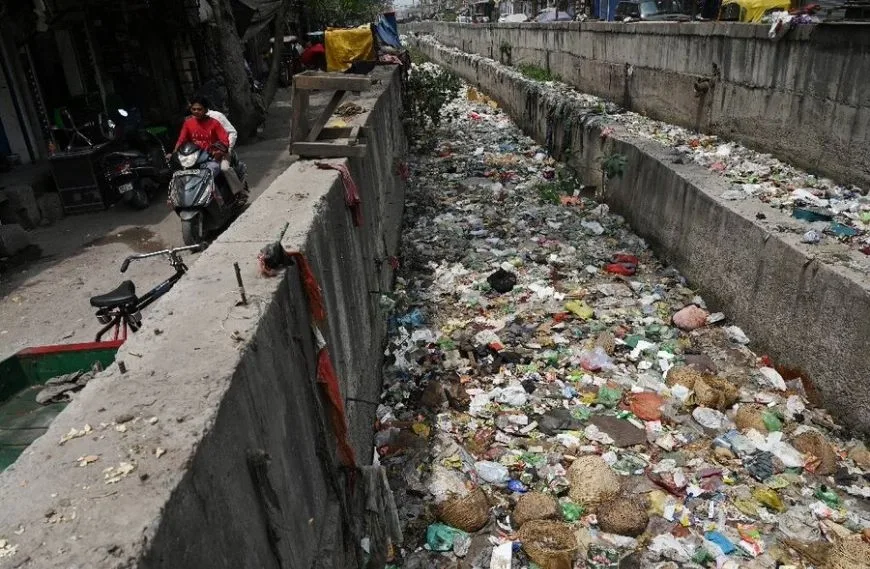
In many of Mumbai’s slum areas, garbage has become a persistent problem. Piles of waste line narrow lanes, overflow near homes, and often remain uncollected for days. For residents, the issue is ongoing and increasingly frustrating.
One of the biggest challenges is access. Slums are built with tightly packed houses and narrow lanes that make it difficult for BMC garbage trucks to enter. As a result, waste collection often happens at central points outside the lanes, leaving the inner areas to accumulate garbage. Residents are then forced to dispose of their waste in drains or open corners, contributing to congestion and unsanitary conditions.
Residents say that collection is irregular and unpredictable. Sadashiv Shetty, a local resident of Sangam Nagar, told The Indian Express that garbage frequently piles up because collection vehicles cannot reach inside the narrow lanes. Waste generated throughout the day often goes uncollected for hours, creating unhygienic conditions and a foul smell.
The problem is compounded by the sheer volume of waste. Many slum areas lack designated bins, which makes it difficult to manage daily garbage. During the monsoon, blocked drains caused by accumulated waste can lead to flooding and further health hazards.
BMC officials acknowledge that managing waste in slums is difficult. The civic body has about 33,700 waste collectors who sweep 1,750 km of roads daily, but in areas with limited access, collection remains a challenge. Officials have also proposed additional evening sweeping rounds to help reduce waste accumulation in these areas.
Health concerns are rising as residents report foul odours and overflowing garbage attracting rats and stray animals. While the BMC continues to work on managing waste, slum residents continue to face the daily challenge of living amidst uncollected garbage.
For residents of Mumbai’s informal settlements, garbage is not just an aesthetic problem it directly affects health and quality of life. The difficulties faced in slum waste management highlight the ongoing challenge for the city, despite large budgets and planned infrastructure improvements.
Subscribe Deshwale on YouTube