



Napoleon Bonaparte was one of history’s most influential leaders, a military genius, political strategist, and reformer who reshaped France and much of Europe in the early 19th century. He rose from humble Corsican origins to become Emperor of France, leaving behind a legacy of military conquests, legal reforms, and centralized governance.
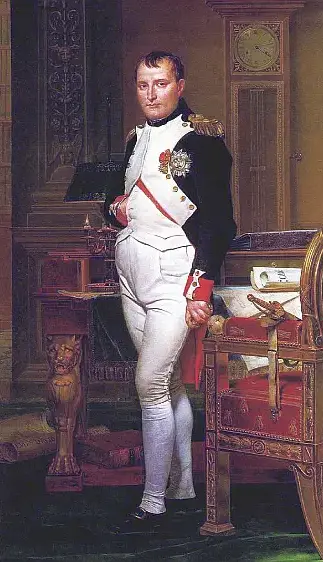
By 1799, France was politically unstable following the French Revolution (1789–1799). The country was governed by the weak and corrupt Directory, facing economic turmoil and external threats. Napoleon seized power through a coup d’état on November 9, 1799 (18 Brumaire, Year VIII), overthrowing the Directory and establishing himself as First Consul. By 1804, he crowned himself Emperor of the French, consolidating absolute power while implementing legal and administrative reforms.
What did Napoleon say after conquering France?
Napoleon was known for his bold rhetoric and self-belief. His statements after seizing control of France reflected his view of leadership, governance, and destiny. Here is what he said:
“Power is my mistress.”: This famous quote highlights Napoleon’s obsession with control and ambition. He saw power as something to be pursued relentlessly, shaping his life and leadership.
“The Revolution is over. I am the master now.”: After taking control in 1799, Napoleon positioned himself as the stabilising force who had ended France’s political chaos. While he retained some Revolutionary ideals (like equality under the law), he effectively ended democracy and concentrated authority in his own hands.
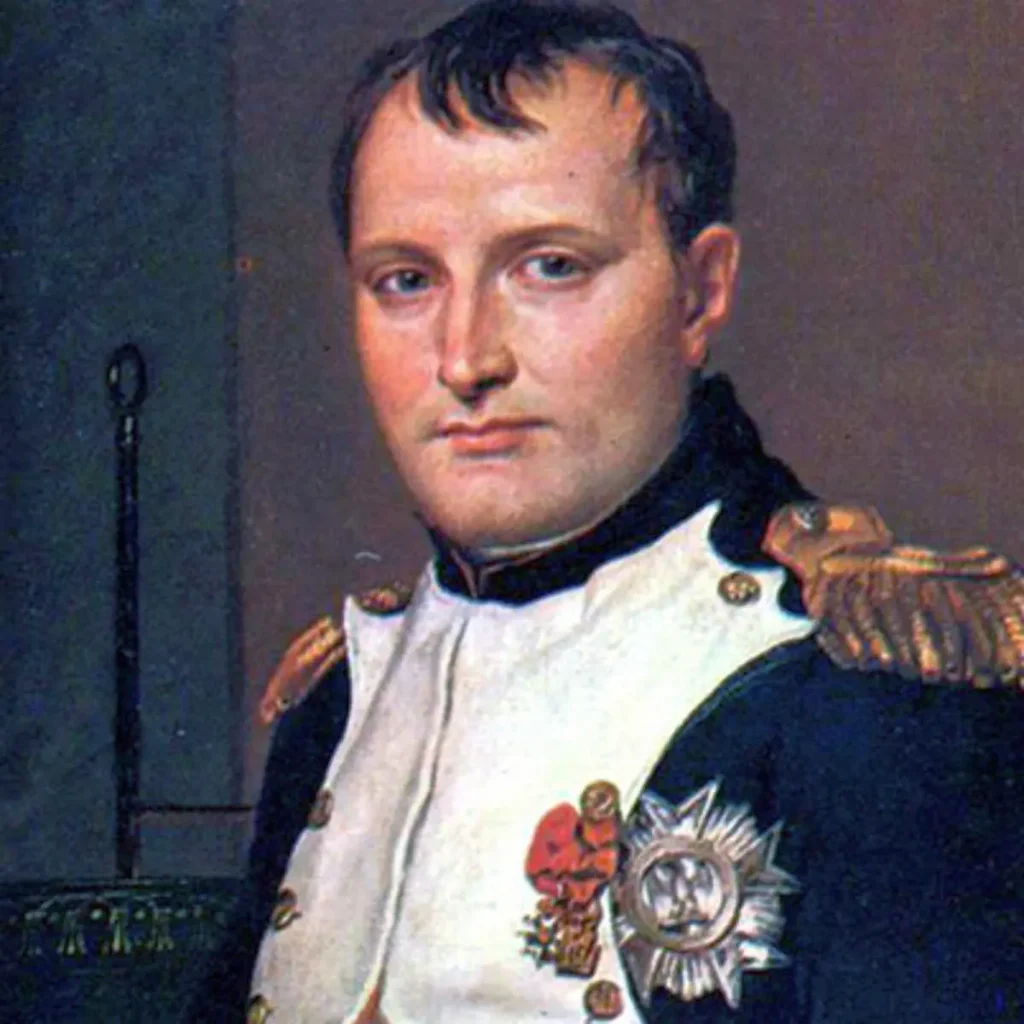
“A throne is only a bench covered with velvet.”: This statement reflects Napoleon’s practical approach to rule—he did not see monarchy as a divine right but rather as a means of maintaining order and control.
“I closed the abyss and laid the foundation of the edifice.”: Though often attributed to him, this phrase represents his justification for authoritarian rule. He argued that his leadership saved France from collapse and built a strong nation.
“Circumstances? I make circumstances!”: Napoleon believed in shaping his own destiny rather than being controlled by events. This mindset defined his military and political decisions, from battlefield strategies to government policies.
Napoleon reshaped France, implementing:
- The Napoleonic Code (1804) – A legal system that remains the foundation of French and European law.
- Centralized government – A strong bureaucracy that still influences modern France.
- Military expansion – Conquered much of Europe but overreached, leading to his downfall in 1815.
Even in exile, he maintained his legendary self-perception, famously stating: “Death is nothing, but to live defeated and inglorious is to die daily.” His legacy endures in politics, warfare, and law, with many leaders, including Donald Trump, invoking his rhetoric about power and national salvation.
