



By: Ragini Chaubey
Navratri. The word literally means ‘Nine Nights’. But honestly, it’s way more than just nights of fasting, dancing, and puja. It’s this whole vibe of energy, devotion, and, let’s be real, some serious positive feelings.
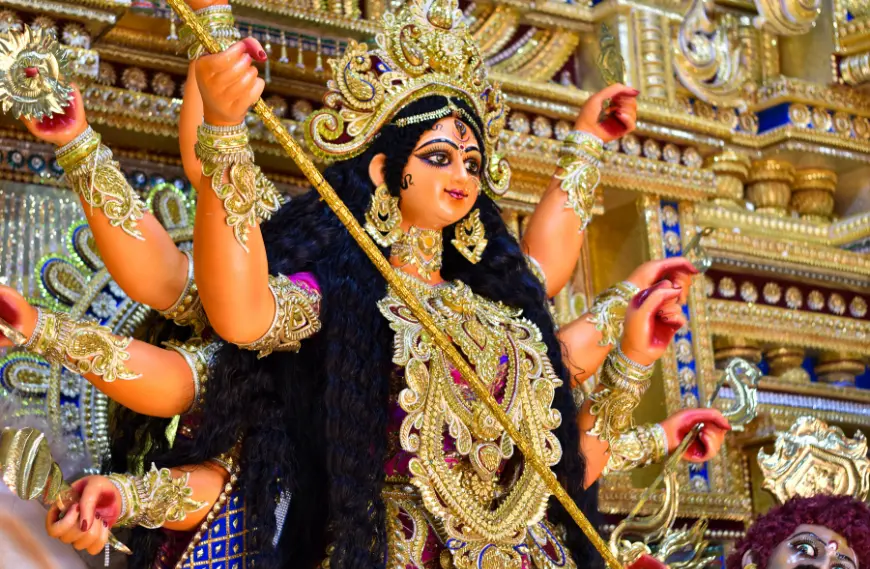
Why do we even celebrate it? Well, the story goes back to Goddess Durga’s epic battle with the demon Mahishasura. Picture it like the ultimate good vs evil showdown. Mahishasura = ego, greed, arrogance, all the stuff we hate. Durga = courage, compassion, justice. And guess who wins? Yep. The goddess. Always. It’s a reminder that no matter how messy life gets, patience and courage eventually crush negativity.
But Navratri is not only about mythology, you know. It’s also like a yearly reminder to check yourself, clear the clutter in your head, fix your habits, bond with family, and just reset.
The Roots: Where it all began
Navratri is not some new-age trend. It’s ancient. Like really ancient. Texts such as the Markandeya Purana talk about the goddess’s battles and blessings. And over time, the festival picked up different flavours across India.
- Gujarat: Think Garba and Dandiya Raas. Those circles of dance? They are not just for fun, they symbolise the rhythm of the cosmos. And the songs? They carry stories from the epics, keeping old tales alive.
- North India: Here, Navratri ends with Dussehra. Rama vs Ravana. Good vs Evil. Victory of truth over lies. You get the drift.
- South India: People set up Golu. Beautiful doll displays that tell mythological stories. It’s like a live classroom for kids, teaching them values through storytelling.
Different vibes, one soul. That’s Navratri for you.
The nine days: More than just Colours
Each of the nine days has its own goddess avatar, and honestly, it feels like a crash course in life skills:
Day 1: Shailaputri: strength, perseverance.
Day 2: Brahmacharini: patience, focus.
Day 3: Chandraghanta: bravery, courage.
Day 4: Kushmanda: creativity, hope.
Day 5: Skandamata: compassion, motherly love.
Day 6: Katyayani: inner strength, victory vibes.
Day 7: Kalaratri: facing fears, removing ignorance.
Day 8: Mahagauri: calmness, purity.
Day 9: Siddhidatri: wisdom, fulfilment.
And the colours? They are not just for Instagram outfits. Each shade—red, yellow, green, blue, matches the goddess’s energy. You don’t just wear it, you feel it.
Kalash, Aarti & all that jazz
One of the coolest parts? The Kalash Puja. That pot with water, mango leaves, and a coconut. It’s like a mini-universe sitting in your home. Life, fertility, abundance, all packed in. Families keep it through the nine days, praying morning and evening. Simple acts, but they bring so much mindfulness.
Then there’s Aarti. Morning and evening, lamps lit, bells ringing, everyone singing together. The whole vibe is, how do I say this—pure magic. In many homes, people keep an Akhand Deep (an eternal lamp) burning all nine days. The glow is constant, like the goddess herself never leaves your side.
Kanya Poojan: Respecting the feminine
On the eighth or ninth day comes Kanya Poojan. Little girls are welcomed, their feet washed, tilaks applied, plates of food offered. Why? Because they are seen as forms of Durga. It’s society’s way of saying. Respect women, always.
People invite nine girls every year. Honestly, the joy on their faces when they get gifts and sweets? Priceless. It’s not just a ritual. It’s a reminder of humility, gratitude, and the power of feminine energy.
Fasting & walking barefoot
People think fasting is about skipping food. Nope. It’s about detoxing the body and mind. Cutting down junk, eating light. It sharpens focus, builds self-control. Walking barefoot, especially to temples, is another thing. It keeps you grounded, literally. A way of saying, “Hey, I’m here with full devotion.”
Colours, dances & that extra spark
Ever notice how colourful Navratri is? Red for courage, yellow for joy, green for growth, blue for peace. Even grey and orange sneak in, symbolising change and awakening.
And let’s not forget Garba nights. Those circles of clapping, spinning, and sticks hitting in rhythm. It’s fun, but also symbolic of life’s cycles and devotion. Same with rangoli, lamps, mantras. Each little thing adds up to something bigger than just ‘tradition.’
What Navratri Really Teaches (Even Today)
For us, Navratri is not just about traditions from the past it’s very much about the now. It’s about respecting women, living mindfully, and even caring for the environment. Think clay idols instead of plastic ones, natural colours instead of chemicals, less waste overall. Honestly, it’s a gentle reminder that spirituality and sustainability can go hand in hand.
Above all, it’s about pausing. Taking nine days to reflect, reset, and reconnect with your inner strength.
It’s a journey, not just a festival
Navratri is not just about fasting or dancing till midnight. It’s about finding strength inside you, honouring the feminine, and remembering that good always beats evil. Every ritual, every colour, every chant. It’s like a step on a spiritual journey.
And the best part? That energy, that positivity, that divine spark of Durga—it’s not just out there. It’s already in you.
