 Deshwale
The Soul of the Sky: A Pilot’s Journey in India
In brief · AI summary Becoming a pilot in India involves ground school, flying training that can cost ₹30–40 lakh for a Commercial Pilot License, and at least 200 flight hours. The article stresses that pilots are trusted with passengers, and that 1.2 million Indians board domestic flights daily according to 2024 aviation reports. It also notes that with only 8,000 active pilots, per DGCA, the profession faces congested airports, unpredictable weather, and a demanding job market.
The sky stretches endlessly above the Indian plains, a vast canvas of blue and gold. For a pilot, this is no mere backdrop; it’s a living, breathing world. Flying is not just a job. It’s a dance with the heavens, a blend of instinct, skill, and trust. In India, where ambition soars as high as the Himalayas, the journey to becoming a pilot is both a dream and a gruelling odyssey. Yet, what does it truly mean to gain this experience? Why does it matter so deeply, not just to pilots but to the nation they serve? This is a story of the pilot’s soul, woven with threads of discipline, wonder, and quiet courage, crafted to spark curiosity in every Indian heart.
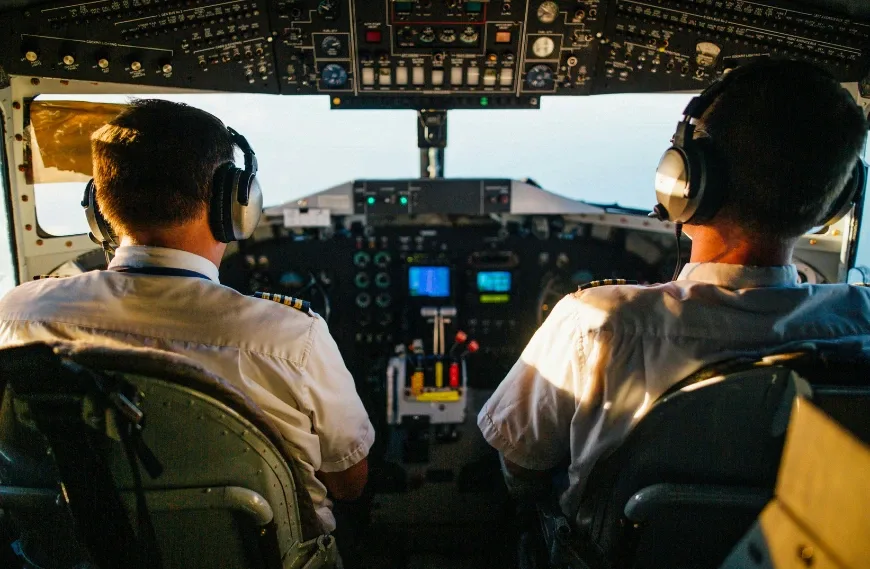
Imagine sitting in a cockpit, the hum of engines vibrating through your bones. The runway stretches ahead, a ribbon of possibility under the Delhi sun. Your hands grip the yoke, heart steady but alive. You’re not just flying a machine; you’re commanding a beast that defies gravity. Every pilot knows this moment, the split second when wheels leave earth. It’s freedom, yes, but also responsibility. In India, where aviation is booming, pilots carry more than passengers. They carry dreams, connecting bustling Mumbai to remote Guwahati, knitting a nation together. This experience, honed over years, is what makes a pilot more than a driver of the skies.
Becoming a pilot in India starts with ambition, often sparked young. A child in Bengaluru gazes at a plane overhead, imagining themselves at the controls. That spark drives them to flying schools, where the path is anything but easy. Training begins with ground school, where students devour physics, meteorology, and navigation. They learn how air moves, how clouds betray storms, how stars guide when technology falters. At places like the Indira Gandhi Rashtriya Uran Akademi in Raebareli, cadets spend months mastering theory before touching a plane. The cost is steep, often ₹30–40 lakh for a Commercial Pilot License. Families sell land, take loans, or pool savings, betting on a future in the clouds. This sacrifice is uniquely Indian, a testament to collective hope.
The first flight is unforgettable. A cadet, barely 20, climbs into a Cessna 172. The instructor’s voice crackles through the headset, calm but firm. The plane rattles, then roars. Suddenly, the ground falls away. The world tilts, and India unfolds below: patchwork fields, snaking rivers, the chaos of cities. Fear and thrill collide. This is where experience begins, in the raw thrill of defying earth’s pull. But it’s not enough to fly once. Cadets log 200 hours minimum, often more, to earn their wings. Each hour sharpens instincts, teaching them to read the sky like a book. A sudden gust, a flicker on the altimeter, a shadow of turbulence—they learn to sense these before they strike.
Experience isn’t just hours logged. It’s the moments that test a pilot’s core. Consider Captain Anupama Kohli, who safely landed an Air India flight in Chennai during a cyclone. Winds howled at 100 kmph, visibility near zero. Yet, her training and instinct prevailed. She didn’t just fly; she danced with the storm. Such stories resonate in India, where pilots are heroes, not just professionals. They navigate monsoons, dense fog, and crowded airspace. India’s skies are among the busiest, with over 1,500 daily flights pre-Covid, per DGCA data. Each takeoff, each landing, builds a pilot’s mental library, a tapestry of decisions that no simulator can fully teach.
Simulators, though, are vital. In Hyderabad’s flight training centres, pilots face virtual emergencies: engine failures, lightning strikes, bird hits. These machines, costing crores, mimic real cockpits with eerie precision. A pilot sweats, heart racing, as they wrestle a “crashing” plane to safety. This is where muscle memory forms, where split-second choices become second nature. But simulators can’t replicate the human element. In India, pilots often fly with diverse crews, speaking multiple languages. A captain from Punjab might guide a co-pilot from Tamil Nadu, their accents blending over the radio. This diversity shapes their experience, teaching patience and clarity under pressure.
Why does this experience matter? Because pilots are custodians of trust. Every day, 1.2 million Indians board domestic flights, per 2024 aviation reports. They trust pilots to deliver them safely, whether it’s a CEO flying to Mumbai or a grandmother visiting Varanasi. A pilot’s experience is the invisible thread holding this trust together. One error, one missed signal, can shatter lives. The 2010 Mangalore crash, where 158 perished, haunts the industry. Investigations showed pilot error, a lapse in judgement under fatigue. Such tragedies underscore why experience is non-negotiable. It’s not just skill; it’s the wisdom to stay calm when the world screams chaos.
In India, this wisdom is hard-won. Pilots face unique challenges: congested airports, unpredictable weather, and intense competition. With only 8,000 active pilots for a billion-plus population, per DGCA, the demand is relentless. Many train abroad, in the US or Australia, where skies are clearer but costs soar. Back home, they navigate a cutthroat job market. Low-cost carriers like IndiGo and SpiceJet hire aggressively, but seniority rules. A fresh pilot might earn ₹1.5 lakh monthly, yet spend years as a first officer before commanding a flight. This grind forges resilience, a trait as Indian as chai and monsoon rains.
Experience also shapes a pilot’s soul. Flying over the Thar Desert at dawn, the horizon ablaze, a pilot feels small yet infinite. The cockpit is their temple, where doubts fade and focus reigns. Captain Vikram Menon, a veteran with 20,000 hours, once shared how flying taught him humility. “The sky doesn’t care who you are,” he said. “It demands respect.” This perspective resonates with Indian values, where humility and duty intertwine. Pilots learn to serve, not just soar. They carry relief to flood-hit Kerala, vaccines to remote Arunachal, or soldiers to Ladakh’s icy borders.
The emotional weight of flying is rarely discussed. Pilots see the world from 30,000 feet, yet feel its pulse. A night flight over Diwali-lit Delhi sparkles like a galaxy. A monsoon landing in Goa, rain lashing the windshield, tests their nerve. These moments, strung together, build a pilot’s inner world. They learn to love solitude, to trust their gut, to find peace in chaos. For Indian pilots, this is amplified by cultural roots. Many pray before takeoff, a quiet ritual tying them to the land below. A Sikh captain might touch a small kirpan; a Hindu might whisper to Ganesh. These acts ground them, blending tradition with technology.
Yet, experience isn’t static. Aviation evolves, and pilots must too. New planes like the Boeing 737 MAX demand fresh training. Automation, like autopilot systems, shifts their role from manual flyers to system managers. Some fear this dulls instinct, but others argue it sharpens focus. Data from the International Air Transport Association shows automation reduces errors by 60%. Still, Indian pilots balance this with human judgement, knowing technology can fail. In 2019, a SpiceJet pilot manually landed a flooded runway in Mumbai when systems faltered. Experience, not code, saved the day.
For India, pilots are more than professionals; they’re symbols of progress. The nation’s aviation market, projected to be third-largest by 2030, per IATA, owes much to them. They bridge urban and rural, rich and poor, carrying India’s aspirations skyward. Their experience isn’t just personal; it’s national. Every safe landing strengthens trust in a system that’s still young, barely 90 years since JRD Tata flew the first airmail flight. Today, as IndiGo orders 500 new planes, pilots are the heartbeat of this growth.
The sky remains a mystery, even to those who conquer it. Pilots spend lifetimes learning its moods, yet never fully tame it. Their experience, built through sweat, sacrifice, and silent triumphs, is a gift to India. It’s a reminder that dreams, like planes, need skill to soar but heart to land. Next time you board a flight, think of the pilot. They’re not just flying you home. They’re weaving a story, one takeoff at a time, high above the land we call Bharat.