




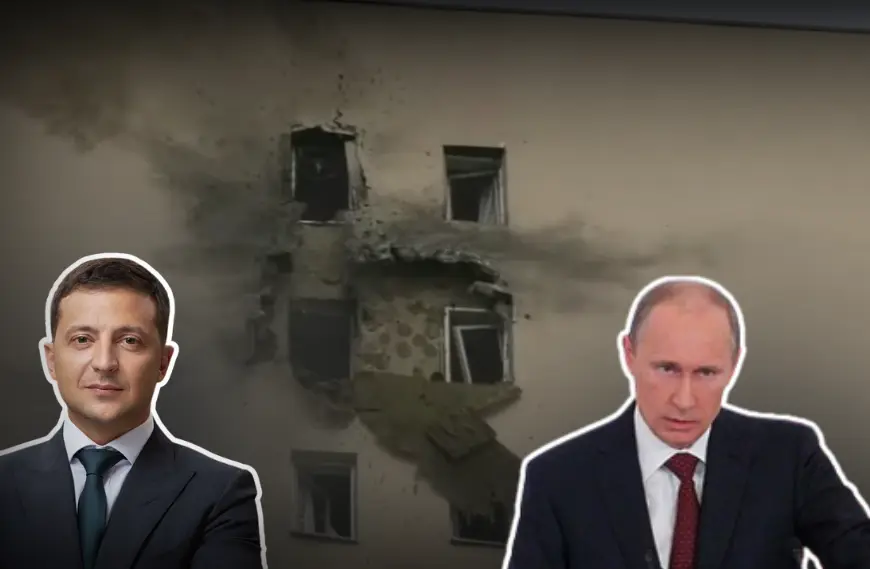
Russia’s defence ministry announced that it shot down 337 Ukrainian drones in a single night, marking the most extensive drone assault since the conflict began. The attack targeted multiple regions, including Moscow, and disrupted air and rail travel across the country.
The large-scale offensive struck at least ten regions, with Moscow among the primary targets. Explosions were reported on the outskirts of the city, while other affected areas included Bryansk, Smolensk, and Belgorod. Air raid sirens blared as emergency evacuations were carried out. Russian officials confirmed that the country’s air defence systems intercepted most of the drones, yet some caused damage to civilian infrastructure. Reports from Moscow indicated that one person was killed and three others were injured after debris from a downed drone fell in a residential area.
The attack had significant consequences for transport operations. Flights at Moscow’s Vnukovo and Domodedovo airports were temporarily suspended as a security precaution, while railway services in several regions faced disruptions. Russian authorities described the assault as a failed attempt to weaken the country’s infrastructure and maintained that its air defences successfully neutralised the threat.
Ukraine has not officially commented on the attack. However, it has increasingly relied on drone strikes to penetrate deep into Russian territory, targeting military installations and logistics hubs. In response, Russia has also intensified missile and drone strikes against Ukrainian cities, further escalating the conflict.
Drone warfare has become a defining element of the ongoing war, with both sides using unmanned aerial vehicles for surveillance and offensive operations. This latest escalation raises concerns about potential retaliatory measures and the possibility of a broader military confrontation. As tensions continue to mount, the international community remains on high alert, monitoring developments closely amid growing fears of regional instability.
