 Deshwale
India’s Satellite Internet Rollout Stalled by Security and Pricing Hurdles
In brief · AI summary India's satellite internet launches are delayed because the government is holding approvals until security clearances and spectrum pricing frameworks are finalised. Provisional spectrum allocations have been issued to leading firms, but these are not full licences, and companies must still complete evaluations and align with security standards before activation. Regulators are also negotiating annual fees and usage charges, and officials say satellite internet is meant to supplement fibre and mobile networks, not replace them.
India’s long-awaited rollout of satellite-based internet services has run into regulatory roadblocks, delaying commercial launches from major global and domestic players. Despite strong market interest and rising demand for connectivity in remote regions, the government is holding back approvals until security clearances and spectrum pricing frameworks are finalised.
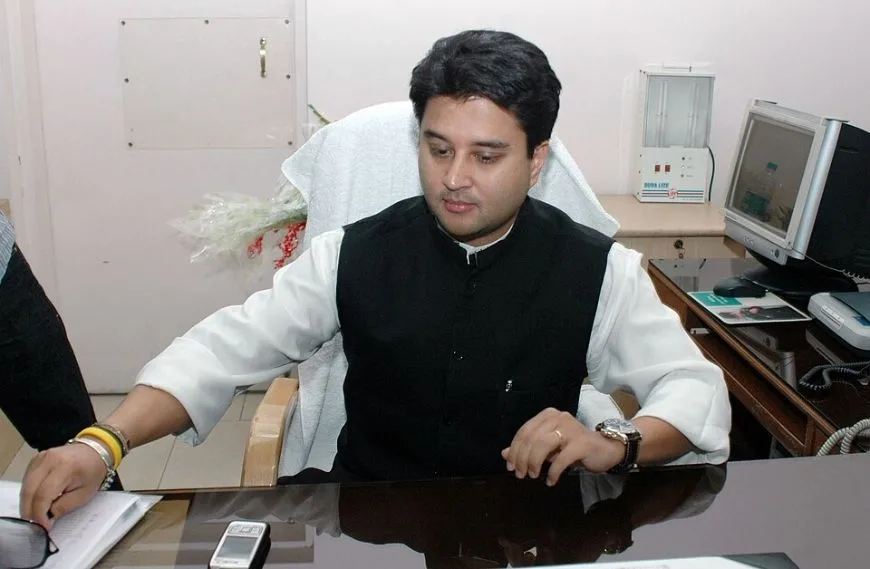
Union Telecom Minister Jyotiraditya Scindia has confirmed that satellite operators will only be permitted to begin services once they comply with detailed security norms and demonstrate that their network infrastructure is safe for national deployment. The government wants assurance that sensitive gateways, data transfers, and international routing channels do not compromise defence or cybersecurity interests.
Provisional spectrum allocations have already been issued to leading satellite communication firms, allowing them to showcase compliance to technical and security agencies. However, these are not full licences. Each company must complete evaluations, satisfy auditing requirements, and align with India’s digital security standards before activation.
Alongside these checks, a pricing dispute has slowed progress. There is currently no final agreement on the commercial structure for satellite spectrum, particularly regarding annual fees, usage charges, and service-based levies. Regulatory bodies are still negotiating a framework that balances affordability for consumers with financial viability for operators. Once a standard pricing model is confirmed, companies will be able to structure plans, equipment costs, and service offerings.
The government is also addressing concerns from existing telecom operators, many of whom fear that subsidised satellite spectrum could disrupt market competition. Officials argue that the objective is not to replace fibre and mobile networks, but to supplement them in regions where traditional infrastructure is either financially unviable or geographically impossible to build.
Industry analysts believe satellite internet could transform rural connectivity, benefiting isolated towns, border districts, and disaster-prone zones where physical networks frequently fail. However, until regulatory clarity arrives, India’s satellite internet ambitions remain grounded more by paperwork than by technology.
For now, the message from policymakers is firm: India will proceed, but only after security, pricing, and compliance frameworks are fully aligned. The goal is not just to launch satellite internet quickly, but to launch it securely and sustainably for long-term national use.
Subscribe Deshwale on YouTube