 Deshwale
India’s Space Sector Reaches New Heights as Skyroot Aerospace Becomes a Unicorn
In brief · AI summary Skyroot Aerospace has raised nearly $60 million in fresh funding, becoming a unicorn with a valuation of $1.1 billion, just ahead of the planned launch of its Vikram-1 rocket. The funding round was led by Sherpalo Ventures and GIC, with several other investors also taking part. The company plans to use the capital to speed up commercial launch operations, prepare the Vikram-1 for launch, and develop its Vikram-2 launch vehicle.
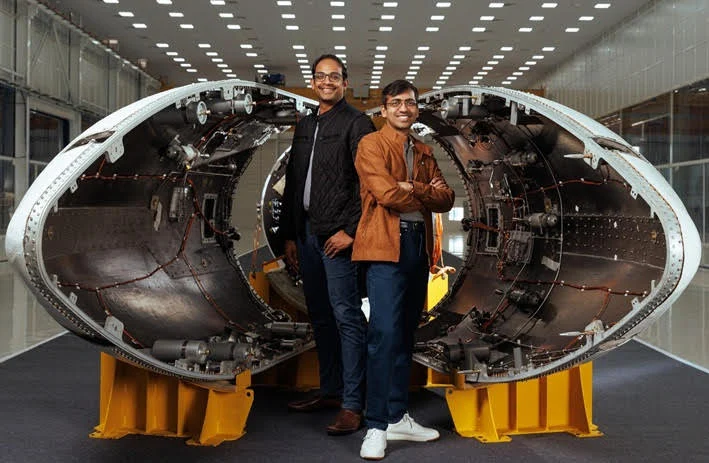
India’s private space industry is entering a new era of growth and global recognition. In a major milestone for the country’s rapidly expanding space-tech ecosystem, Indian aerospace startup Skyroot Aerospace has raised nearly $60 million in fresh funding, officially becoming a unicorn with a valuation of $1.1 billion. The development comes just ahead of the much-awaited launch of the company’s Vikram-1 rocket, marking a defining moment for India’s private space ambitions.
The funding round was led by Sherpalo Ventures and global investment giant GIC. Several major investors also participated, including funds managed by BlackRock, the founders of Greenko Group, Arkam Ventures, Playbook Partners, and the Sanghvi Family Office. The investment highlights the growing global confidence in India’s emerging private space sector and its long-term commercial potential.
Skyroot Aerospace plans to use the newly raised capital to accelerate commercial launch operations, strengthen the launch readiness of the Vikram-1 rocket, and fast-track the development of its next-generation Vikram-2 launch vehicle. The company is positioning itself as a key player in the growing global small satellite launch market, which is expected to witness significant expansion in the coming years.
Skyroot Aerospace Co-founder and CEO Pawan Kumar Chandana described the funding and upcoming launch as a historic step for India’s private space industry. According to him, the Vikram-1 mission is expected to give India a stronger presence in the international space launch market and establish the country as a serious competitor in the rapidly growing commercial space economy.
The Vikram-1 rocket is expected to become one of India’s first privately developed orbital launch vehicles. Its launch is being closely watched not only by the Indian startup ecosystem but also by global aerospace companies and investors. Industry experts believe the mission could open new opportunities for India in satellite launches, aerospace innovation, and space-based commercial services.
India’s private space sector has gained significant momentum over the last few years following government reforms and increased support from the Indian Space Research Organisation (ISRO). Earlier, most space activities in the country were controlled by government agencies. However, policy changes have encouraged private companies to enter areas such as rocket development, satellite manufacturing, launch services, and space technology solutions.
Skyroot Aerospace has emerged as one of the strongest symbols of this transformation. Founded by former ISRO scientists, the company has consistently attracted attention for its ambitious vision and technological capabilities. Its earlier successful launch of the Vikram-S rocket had already demonstrated the growing capabilities of India’s private aerospace industry.
Experts believe the global space economy could reach trillions of dollars in the coming decades, creating massive opportunities for innovation, investment, and employment. Against this backdrop, Skyroot’s rise reflects not only the strength of India’s startup ecosystem but also the country’s growing confidence in advanced technology sectors.
With the Vikram-1 launch approaching and investor confidence rising, Skyroot Aerospace is now seen as one of the companies leading India’s journey into the next chapter of global space exploration and commercial space technology.
Subscribe Deshwale on YouTube