



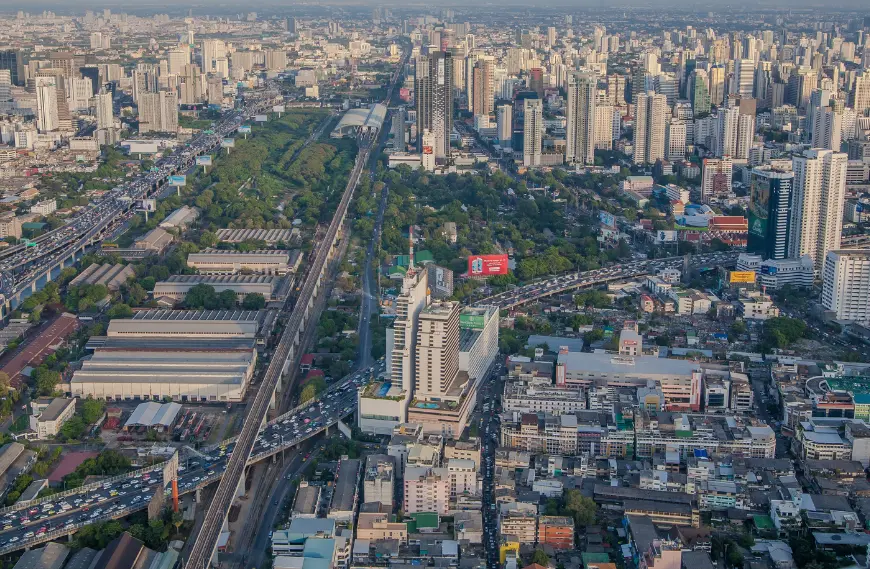
Megacities are engineering marvels, but they’re also ticking time bombs when the skies open. Their vast stretches of concrete stop water from soaking into the ground, forcing millions of litres of rain to find an artificial path to rivers or the sea. A single clogged drain or outdated system can turn city streets into rivers.
The Challenge of Urban Flooding
With climate change intensifying storms, urban floods are becoming more frequent and severe. In July 2021, Zhengzhou, China, recorded a year’s worth of rain in just three days, flooding subways and killing over 300 people. The city’s drainage system, designed for much lighter storms, was quickly overwhelmed.
Similarly, Dubai – known for its dry climate – saw unprecedented flooding in April 2024 when a record-breaking storm dumped more than 250 mm of rain in a day, inundating highways and airports. Dubai’s storm drainage, optimised for occasional showers, was simply unprepared.
Designing Urban Drainage
Modern drainage systems combine:
- Stormwater sewers, which carry rain separately from sewage.
- Retention basins, to temporarily store runoff.
- Pump stations, crucial in flat or coastal cities.
- Permeable surfaces, allowing water to soak through roads or pavements.
In Tokyo, one of the most flood-prone megacities, engineers built the G-Cans Project, a gigantic underground floodwater cathedral with 70-metre-deep shafts and tunnels wide enough to swallow a jumbo jet. During typhoons, it diverts rain from overflowing rivers into the system, protecting 13 million people.
Maintenance Matters
Even the best-designed drains fail if neglected. Experts estimate that 70% of urban floods happen not because of insufficient infrastructure, but because of blocked drains. Mumbai’s annual monsoon chaos is often blamed on garbage-clogged stormwater lines.
The Future of Flood Control
Cities are adopting green infrastructure: green roofs, rain gardens, and urban wetlands that absorb rainfall naturally. Singapore’s ABC Waters Programme redesigns canals as landscaped streams, slowing runoff and beautifying neighbourhoods.As climate extremes grow, cities that fail to adapt will pay a high price. As Tokyo engineer Tetsuya Tanaka told Nikkei Asia, “We can’t stop the rain, but we can decide how the city will survive it.”
