 Deshwale
WhatsApp’s “Take-It-Or-Leave-It” Policy: Why India’s Courts Are Calling It Unfair
In brief · AI summary In 2021, WhatsApp's updated privacy policy gave users a pop-up asking them to agree or lose access to the app, which many felt was not a real choice and raised concerns about data sharing with its parent company, Meta. India's Supreme Court has warned that companies cannot play with citizens' privacy rights and suggested Meta should rethink operating in the country if it cannot respect India's legal and constitutional framework. Regulators are also examining whether the policy gave Meta an unfair advantage in the market.
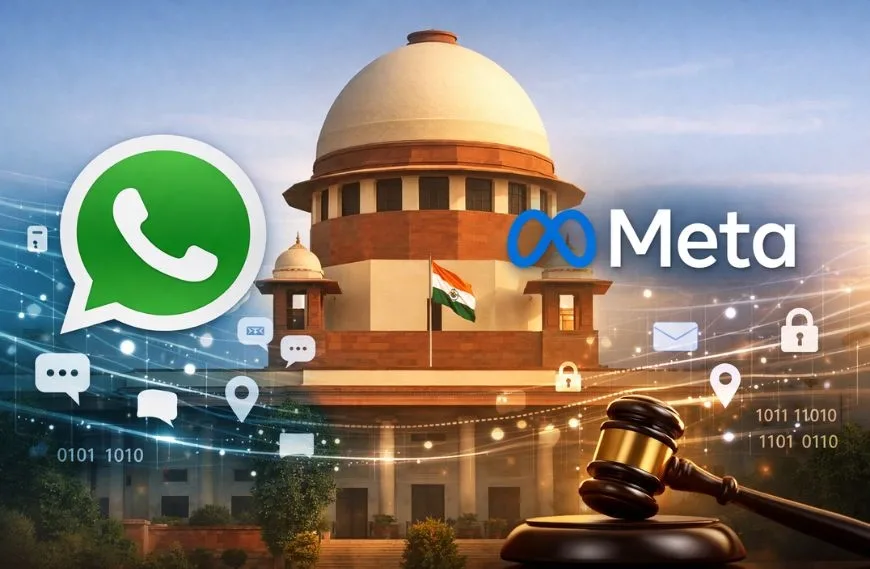
When WhatsApp rolled out its updated privacy policy in 2021, most users were not reading legal fine print. They were simply faced with a pop-up message asking them to agree or risk losing access to the app. For millions across India, this did not feel like a choice at all. WhatsApp had become part of everyday life, used for family conversations, office coordination, small businesses, and local services. Accepting the policy was not about preference. It was about staying connected. That is why the update quickly earned the label “take-it-or-leave-it” and sparked widespread unease.
At the heart of the controversy was data sharing. WhatsApp assured users that private messages would remain protected by end-to-end encryption, but concerns remained about other information such as usage patterns, interaction with business accounts, and metadata that could still flow to Meta, its parent company. For ordinary users, the distinction between encrypted chats and shared data was confusing. What many understood clearly, however, was that their personal information was becoming part of a larger corporate ecosystem without their full understanding or consent.
India’s Supreme Court has now stepped firmly into this debate. During recent hearings, the Chief Justice sent a strong message, saying companies cannot play with the privacy rights of Indian citizens. The court even warned Meta that if it cannot respect India’s legal and constitutional framework, it should rethink operating in the country. Judges also pointed out an uncomfortable reality: most people do not have the time or legal knowledge to decode complex privacy policies. They click “agree” because they feel they have no other option.
This is exactly where the problem lies, according to digital rights experts. Consent is supposed to be informed and voluntary. But when access to a basic communication tool depends on accepting new terms, that consent becomes pressured. It stops being a free decision and starts looking more like compulsion. Courts and regulators are now questioning whether such forced acceptance should be allowed in a digital society that claims to respect user rights.
Regulators have also raised competition concerns. India’s competition watchdog has examined whether WhatsApp’s policy gave Meta an unfair advantage by allowing it to use WhatsApp’s massive user base to strengthen its wider business empire. When one platform dominates communication for hundreds of millions of people, even small policy changes can have far-reaching consequences for market fairness and consumer choice.
For everyday users, this legal battle is about more than one app or one update. It reflects a growing recognition that data privacy is not a luxury issue. It is about dignity, control, and trust. As India’s digital population continues to grow, the outcome of this case could decide how much power users really have over their personal information. It also sends a clear message to global tech companies: growth in India comes with responsibility. Convenience and profits cannot come at the cost of citizens’ rights.
Subscribe Deshwale on YouTube