




In the hustle and bustle of today’s world, courier services have become almost addictive. A vital lifeline that keeps modern life running smoothly.
Whether you need to send a parcel across India or ship important documents or products and goods to America, these services deliver ease and reliability at every step. Their rise reflects a shift in how people interact with logistics.
I think, these days, you don’t have to worry about running between offices or dealing with complicated arrangements anymore.
Instead, you reach for their mobile devices, book a courier pickup, and watch as their packages travel seamlessly to distant destinations.
Part of their appeal comes from the sheer convenience and trust they inspire.
Major providers ensure parcels move safely from door to door, both within city limits and across international borders.
For families, students, and professionals, relying on courier services has become second nature. The ability to track deliveries, choose your preferred packing, and send anything from gifts to essentials instantly transforms ordinary errands into effortless experiences.
Right?
As lifestyles grow busier, so does our dependency on these services. Courier companies have woven themselves into the fabric of everyday life in India and worldwide, giving people time back and eliminating logistical headaches.
The result?
Sending parcels has never felt easier, or more essential for people navigating today’s interconnected world.
So, do you know where it started? I think you never ever think about it. Let’s read the article to know how and when it started.
The world’s first courier: Ancient beginnings
The story of the world’s first courier began long before airports and motorways.
In ancient Egypt, as early as 2400 BCE, runners delivered messages carved on stone and instructions for building the Great Pyramids. These ancient messengers paved the way for what would become the foundation of the courier industry.
No single name appears in history’s records.
Instead, teams of unnamed runners, riders, and labourers were entrusted with moving documents and vital goods over long distances, showing the importance of organised delivery right from the start.
Persia’s royal relay
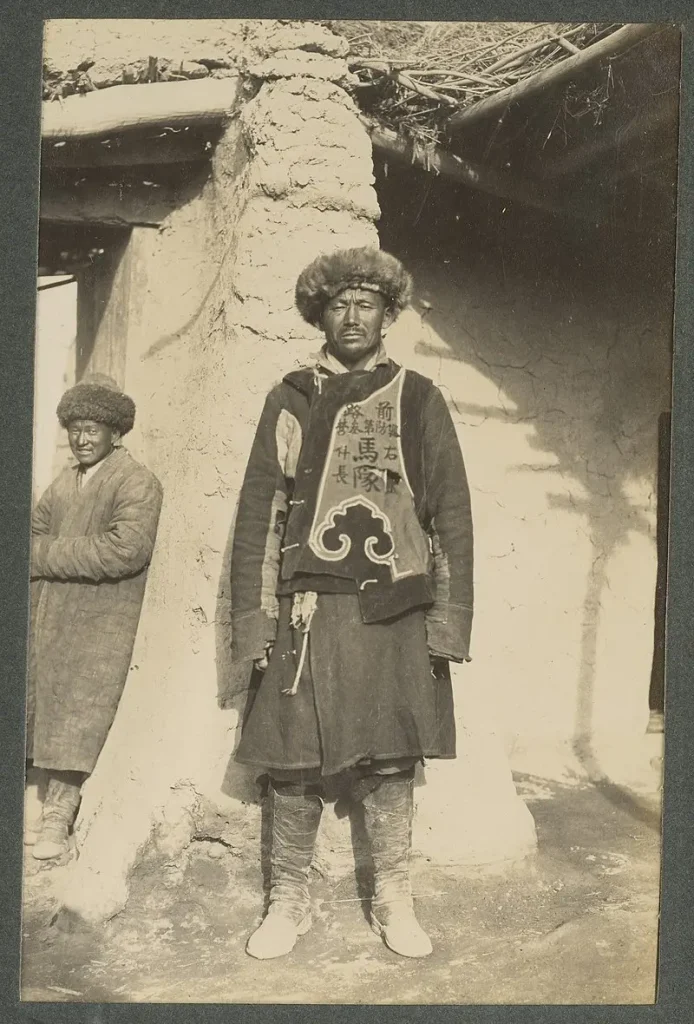
Fast-forward to Persia around 550 BCE, and history’s first true courier network took shape. Persian kings, especially Cyrus the Great, established a sophisticated relay system known as the Angarium.
Using outposts and swift horses, mounted couriers sped messages and parcels across thousands of miles. Greek historian Xenophon praised this network, describing how nothing stopped Persian messengers in their duty.
The system’s speed and scale foreshadowed the express delivery services we recognise today.
Pheidippides and the legacy of marathon
Ancient Greece brought individual heroics into courier history. The most famous example is Pheidippides, a messenger who reportedly ran from Marathon to Athens in 490 BCE, about 26 miles to announce victory over the Persians.
His legendary run inspired today’s marathon race and highlighted both the endurance and responsibility placed on these early couriers.
Trained Greek runners, known as hemerodromoi, could travel incredible distances, often risking their lives to keep people informed in times of war or crisis.
Rome’s organised deliveries
The Romans built upon these ancient traditions, establishing the cursus publicus under Augustus around 20 BCE. This imperial network used horse-drawn carriages, relay stations, and well-organised foot messengers to keep the empire connected.
Orders, state news and even parcels moved efficiently within this Roman system, laying the groundwork for formal postal operations seen centuries later.
Messengers of the Middle Ages
Through the Middle Ages, the art of couriering continued, but with modest means. King’s messengers and town criers delivered letters and royal news, often travelling on foot or horseback.
Couriers in this era were usually underpaid and worked in challenging conditions, but their services remained vital to governments and trade.
Building the modern courier service
The modern courier model began to take shape in the late fifteenth century. Franz von Taxis, a German entrepreneur, created one of Europe’s first full postal networks for the Holy Roman Empire.
His innovation—fixed routes, relay stages, and regular schedules, set a precedent for the professional delivery of parcels and letters.
This system, known as Thurn and Taxis, continued into the 19th century and influenced today’s courier firms.
From horses to high-tech: Evolution of courier companies
By the nineteenth century, couriers in the United States—including Wells Fargo and the short-lived Pony Express—delivered parcels, gold, and mail across huge distances.
Although the Pony Express lasted just eighteen months, it showed how determination and coordination could transform long-distance delivery.
The twentieth century saw the rise of global players like UPS, FedEx, and DHL, each harnessing new technology to offer fast, secure, and trackable courier services worldwide.
What makes couriers stand out?
A key feature has always separated couriers from standard posts: their focus on speed, reliability, and security.
Today’s courier firms offer premium services that include tracking and proof of delivery. Whether delivering an express parcel across town or shipping time-sensitive documents internationally, couriers remain essential for businesses and individuals.
The story of the world’s first courier is rooted in the needs of ancient civilisations but continues to inspire as the profession evolves.
From Egyptian runners to Persian relays, Greek legends to global logistics platforms, couriers have shaped history and remain at the heart of modern communication and commerce.
Summary Table
| Period / Location | Key Milestone / Event | Notable Courier Methods | Historic Figures / Innovations |
| Ancient Egypt (2400 BCE) | Messages and goods delivered for pyramid construction | Runners, labourers | Organised collective delivery |
| Ancient Persia (550 BCE) | Royal relay system across vast empire (Angarium) | Mounted couriers, relay stations | Cyrus the Great |
| Ancient Greece (490 BCE) | Marathon messenger brings news of victory | Trained runners (hemerodromoi) | Pheidippides, legendary run |
| Ancient Rome (20 BCE) | Cursus Publicus state delivery network | Carriages, foot messengers | Augustus, formal postal system |
| Middle Ages (13th-15th c) | Couriers serve royal courts and trade | Messengers, horseback delivery | King’s messengers |
| Holy Roman Empire (1490s) | First cross-border postal network in Europe | Relay points, scheduled routes | Franz von Taxis, Thurn und Taxis |
| USA (1852–1860) | Wells Fargo and Pony Express pioneer parcel delivery | Horses, relay | Frontier postal services |
| 20th Century onwards | Global giants emerge: UPS, DHL, FedEx | Air, road, digital tracking | Technology-driven innovation |
Subscribe Deshwale on YouTube
