 Deshwale
Kangleipak Kingdom: A Journey Through Ancient Manipur
In brief · AI summary The article traces the history of Kangleipak, an ancient kingdom in present-day Manipur, India, covering its geography, Meitei language, daily life, currency, and religion. It notes that the monarchy was founded in 33 CE, that the British annexed the kingdom after the Anglo-Manipur War of 1891, and that it joined the Indian Union in 1949. Today, the article says, Kangleipak's language, traditions, and spiritual heritage persist in Manipur despite ethnic tensions and economic challenges.
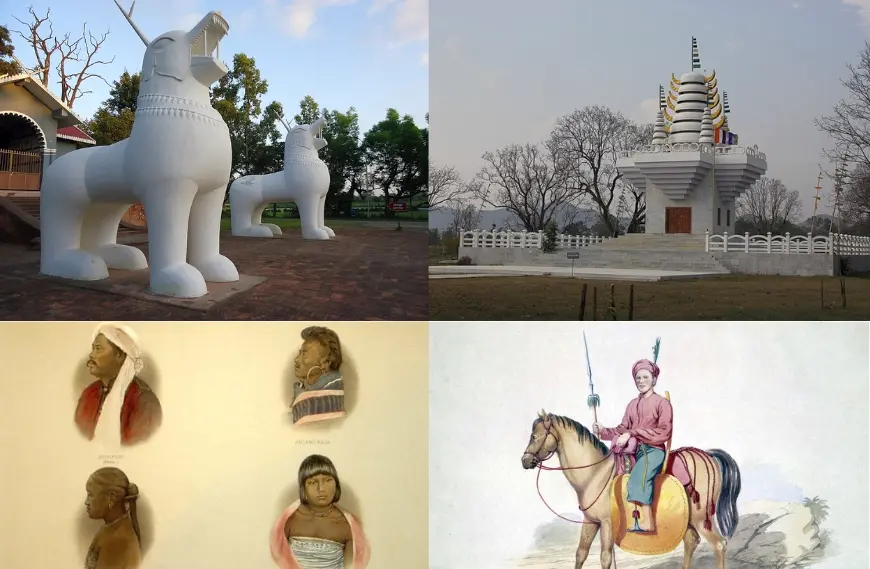
The Kangleipak Kingdom, nestled in the lush hills of modern-day Manipur, India, whispers tales of an ancient civilization. This vibrant kingdom, often overlooked, thrived for centuries with a rich culture and unique identity. Its capital, Kangla, pulsed with life as early as the 15th century BCE. Today, the name Kangleipak still echoes among locals, tying them to their storied past. From sacred rituals to intricate languages, this kingdom shaped a way of life that resonates even now. Let’s dive into the ancient history, geography, language, daily routines, currency, and beliefs of Kangleipak, while exploring its current state and why it matters today.
Ancient history: A kingdom’s riser
Kangleipak’s history stretches back to 33 CE, when King Nongda Lairen Pakhangba founded the monarchy. Meitei kings ruled with a structured system, fostering a distinct cultural identity. Meanwhile, the kingdom faced conflicts with neighbors like Burma and Assam, forging resilience. By the 18th century, King Gharib Niwaz expanded its borders and introduced Hinduism, blending it with local traditions. However, the Anglo-Manipur War of 1891 changed its fate. The British annexed Kangleipak, turning it into a princely state. After India’s independence in 1947, it joined the Indian Union in 1949, becoming modern Manipur. This rich history, verified by historical texts, showcases a kingdom of power and adaptation.
Ancient geography: A land of hills and valleys
Kangleipak’s geography shaped its unique identity. Nestled in a mountainous region, it comprised smaller territories, each with distinct dialects and cultures. For instance, the Kabaw Valley, once part of Kangleipak, stretched into modern Myanmar until it was gifted to Myanmar in 1952. Similarly, Thibomei (now Kohima) fell under King Gambhir Singh’s rule. Seven independent principalities, like Imphal and Moirang, thrived with their own capitals and clans. These regions fostered diversity, yet unity, under the Meitei kings. The rugged terrain, as noted in regional studies, protected the kingdom while encouraging local traditions. Consequently, Kangleipak’s geography was both a shield and a canvas for its culture.
The Meitei language: A script of the ages
The ancient Meitei language, an early form of modern Manipuri, was the kingdom’s voice. Written in the Meitei script, it produced texts like the ‘Wakoklon Heelel Thilen Salai Amailon Pukok Puya,’ dated to 1398 BCE by the National Archives of India. These scriptures covered history, religion, and science, preserving Kangleipak’s wisdom. Moreover, the language unified the kingdom’s diverse clans. Although the script faced decline under colonial rule, efforts today revive its use. For example, local schools now teach Meitei Mayek, ensuring the language’s legacy endures. Thus, the Meitei language remains a cornerstone of Kangleipak’s identity.
Daily life: Farmers and families
Daily life in ancient Kangleipak centered on farming. Most people worked the land, growing rice and vegetables. Their homes, built for immediate families, reflected simplicity. Meanwhile, Meitei architecture shone through sustainable designs. Houses, made of bamboo and thatch, stayed cool in summer and warm in winter. Men over 16 joined the Lallup system, a military organisation, balancing farm work with defense duties. Women, on the other hand, managed households and wove textiles, a craft still celebrated in Manipur. This routine, rooted in community, fostered resilience. Historical accounts highlight how these practices sustained Kangleipak’s economy and culture, creating a tight-knit society.
Currency: A system of trade
Kangleipak’s economy relied on a barter system, but evidence suggests early forms of currency. Small metal tokens, often inscribed, facilitated trade among clans. Additionally, cowrie shells, common in ancient India, served as currency for smaller transactions. According to regional studies, these systems supported markets in Imphal and Moirang. Traders exchanged goods like rice, cloth, and pottery, linking Kangleipak to neighboring regions. However, no standardised coinage existed until later, under British influence. This flexible trade system, as noted in historical records, kept the kingdom’s economy vibrant. Consequently, Kangleipak thrived as a hub of local commerce.
Religious beliefs: Sanamahism and beyond
Sanamahism, Kangleipak’s ancient religion, revered the cosmos as the ultimate creator. The god Pakhangba, symbolised by dragon lions, held a central place. Temples, like the one in Kangla, hosted rituals blending spirituality with daily life. Moreover, kings ruled by divine right, tying governance to faith. In the 18th century, Hinduism merged with Sanamahism, creating a unique blend. For instance, festivals like Lai Haraoba still honor both traditions. These beliefs, documented in Meitei texts, shaped Kangleipak’s moral and social fabric. Today, Sanamahism persists among locals, preserving the kingdom’s spiritual heritage.
Kangleipak today: A region in transition
Today, Manipur carries Kangleipak’s legacy amid challenges. Ethnic tensions and political disputes, often reported in Indian news, disrupt peace. For example, recent clashes between communities have strained social harmony. Yet, cultural revival efforts thrive. Festivals, Meitei language classes, and Kangla’s restoration draw attention to Kangleipak’s past. Meanwhile, tourism grows, with visitors exploring ancient sites. However, economic struggles and infrastructure gaps, as noted in regional reports, hinder progress. Despite these issues, Manipur’s people remain proud of their heritage. Consequently, Kangleipak’s spirit endures, blending tradition with modern aspirations.
Why Kangleipak matters today
Kangleipak’s story resonates beyond Manipur. Its history teaches resilience, showing how a small kingdom adapted to change. The Meitei language and Sanamahism highlight the power of cultural preservation. Moreover, Kangleipak’s past offers lessons for unity in diversity, relevant in today’s divided world. By studying this kingdom, we understand how traditions shape identity. For instance, Manipur’s cultural festivals attract global interest, fostering pride. Furthermore, preserving Kangleipak’s heritage protects a unique piece of human history. As Manipur navigates modern challenges, Kangleipak’s legacy inspires hope. It reminds us that even ancient kingdoms can guide our future.
Also Read: What Happens After Death? A Deep Dive into Faith, Science, and Wild Stories