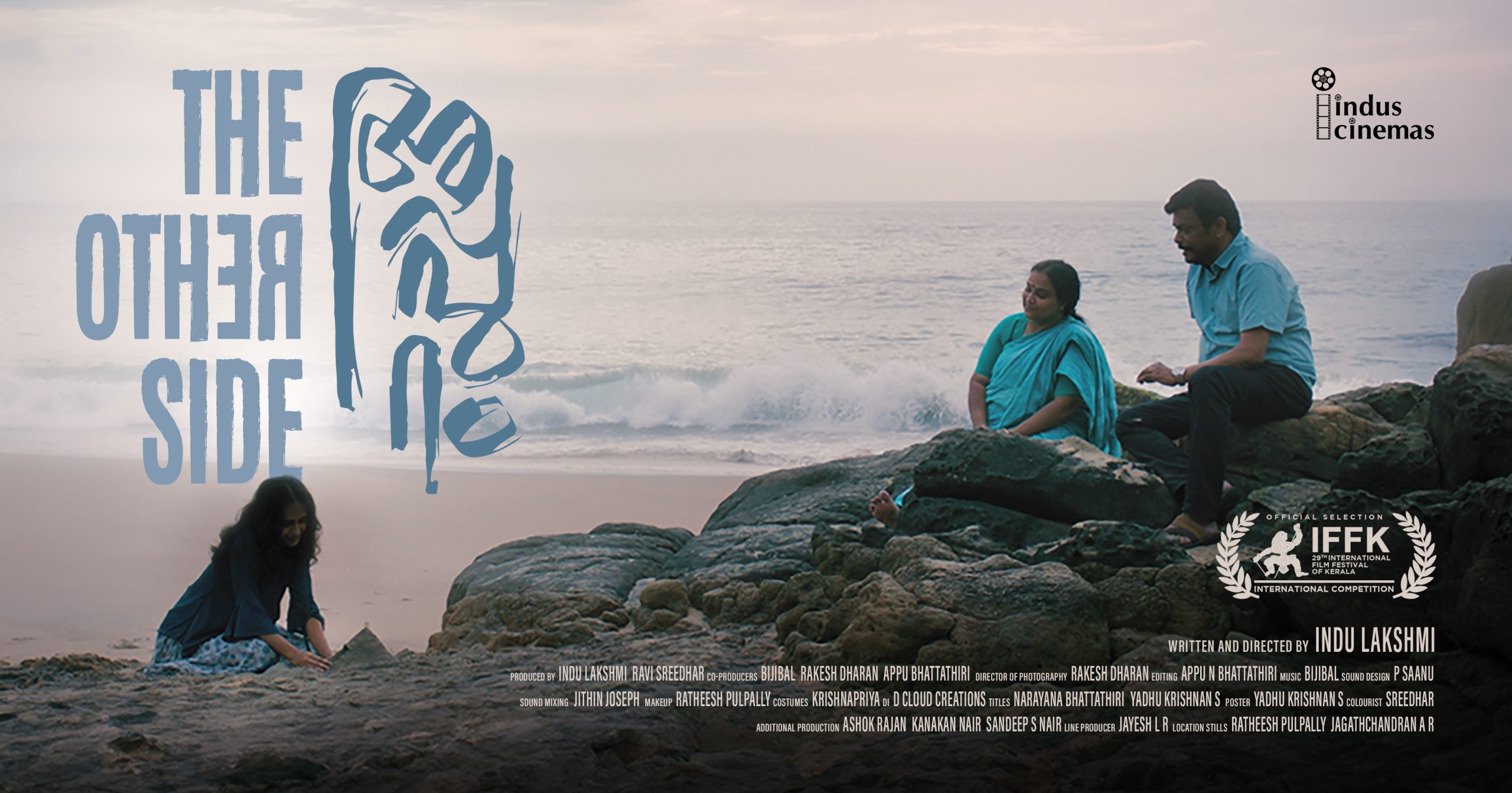
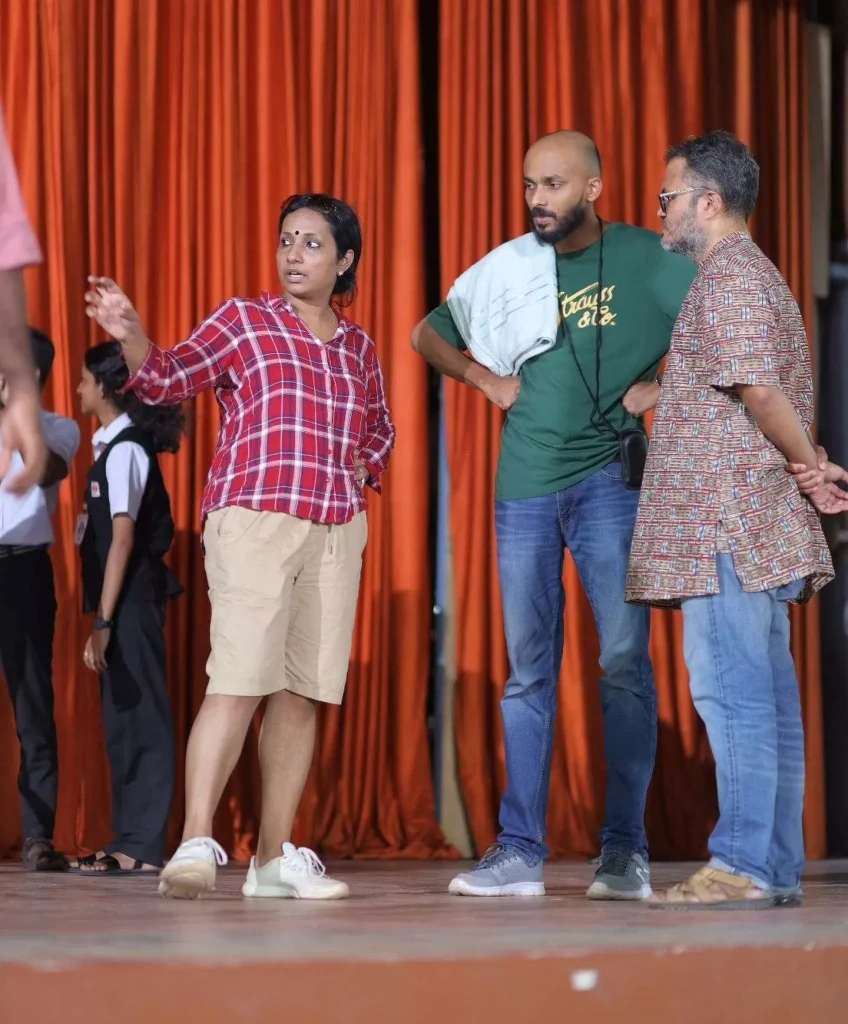
“My coming-of-age film Appuram sets out to explore the resilience needed to honor a deeply personal promise, shedding light on the emotional complexities of growing up.”
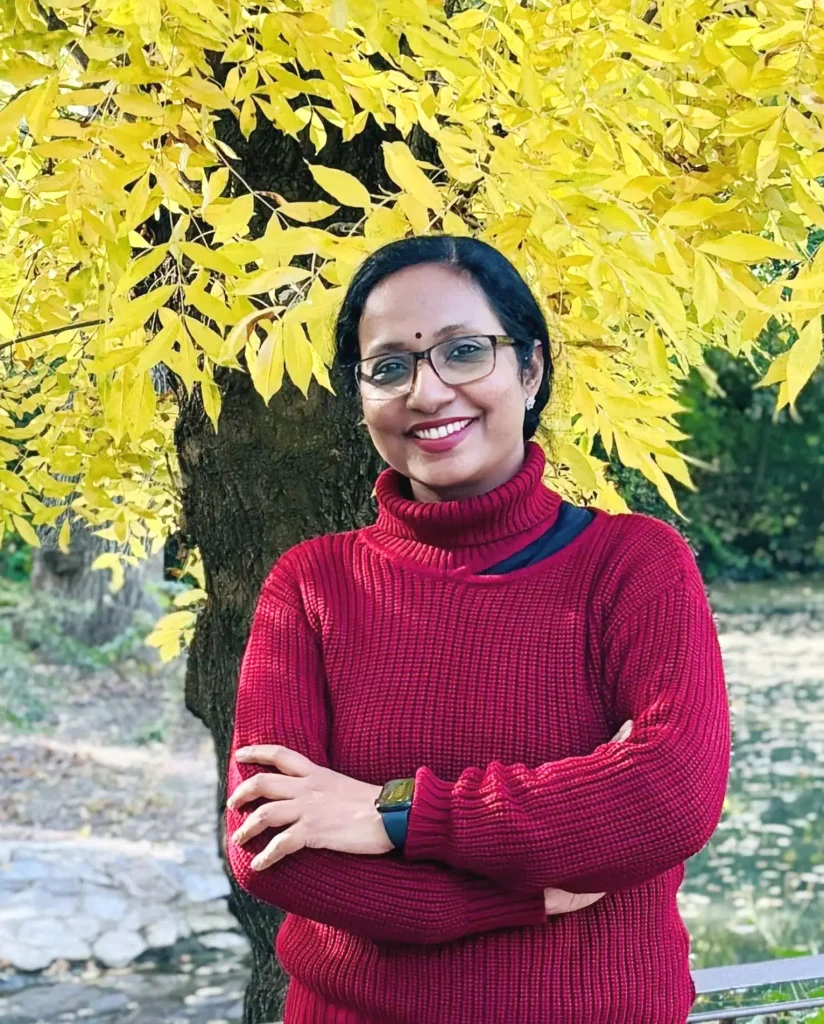
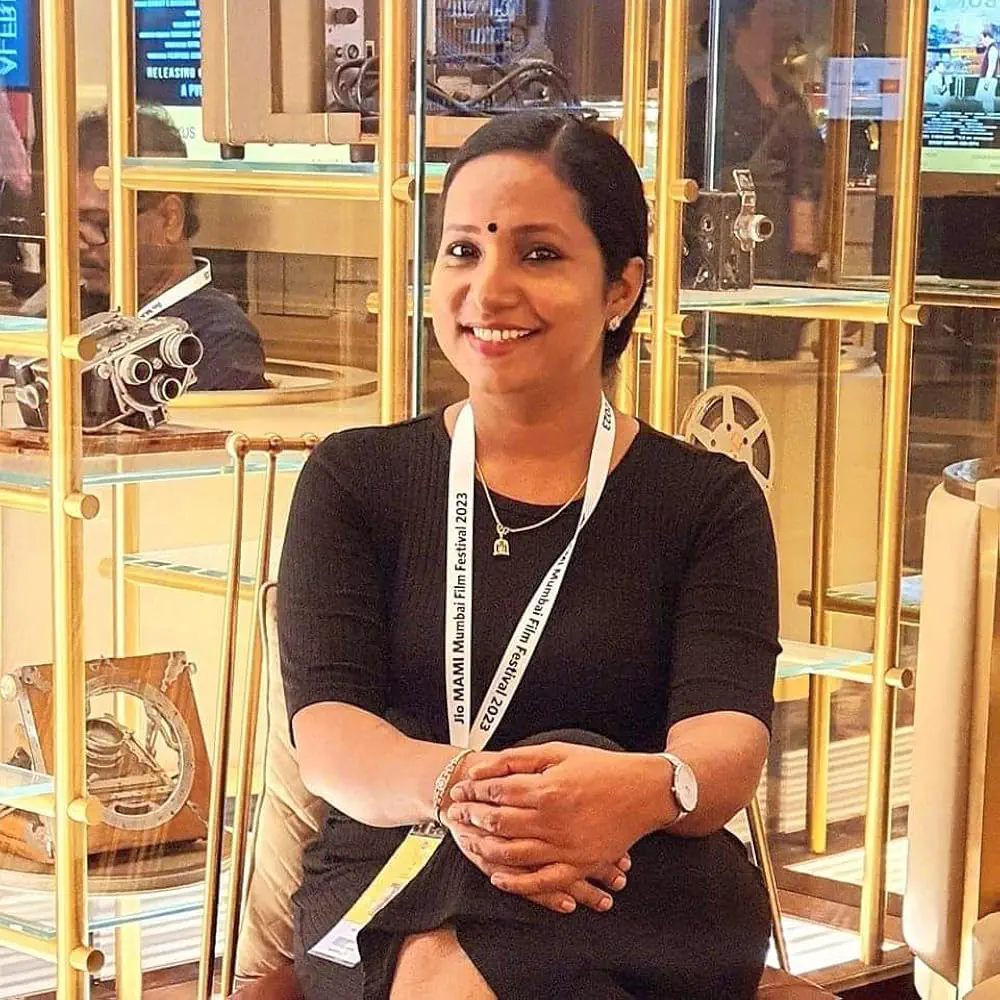
Acclaimed Malayalam filmmaker Indu Lakshmi is known for her thought-provoking narratives that explore deep-rooted societal issues through compelling storytelling. A writer, director, and producer, she first gained recognition with her debut film Nila, followed by her latest cinematic venture, Appuram, which was recently screened at the 16th Bengaluru International Film Festival.
In this exclusive interview with Jyothi Prakash on behalf of Deshwale, Indu Lakshmi shares insights into her filmmaking journey, the challenges of working with veteran actors, and her aspirations for the future.
What exactly is your film Appuram about?
My film is about a teenager named Janaki, who finds herself torn between the love she has for her mother and her overwhelming fear of loss, as she sets out to navigate a world shaped by her mother’s struggles.
Does your film explore superstitions and taboos surrounding menstruation and the afterlife in contemporary India?
Yes, in my film, the protagonist Janaki confronts the harsh realities of gender discrimination, superstitions, and taboos surrounding menstruation and the afterlife, all while struggling with the limitations of youth in a society governed by adults.
What does the film set out to analyze?
Through the lens of a profound mother-daughter bond, Appuram explores the resilience needed to honor a deeply personal promise, shedding light on the emotional complexities of growing up.
How was the experience of directing veteran actors like Jagadish in Appuram and Shanthi Krishna in Nila? Did they question you since you were relatively new?
There was a human-to-human connection when I directed them. Jagadish is a senior actor, and when an actor knows that your intention is genuine and you have clarity as a writer, they do not question you. The same was the case with Shanthi Krishna.
How is your relationship with your actors on set?
I don’t give instructions over a microphone. Instead, I personally discuss each scene with my actors before the shot. Sometimes, their experience brings a new perspective to a scene.
You made your directorial debut with Nila. How was that experience?
It was beautiful. Nila starred actors like Shanthi Krishna, Mammukkoya, and Vineet. Since I had written all the characters myself, it was wonderful to see them come alive on screen.
In what way was directing Nila different from directing Appuram?
With Nila, I had more time. It was produced under the Kerala State Film Development Corporation’s women empowerment program with a budget of ₹1.5 crore. We shot it in 22 days, whereas Appuram was made in just 9 days on a shoestring budget, with me as the writer, producer, and director.
What was Nila about?
Nila, starring Shanthi Krishna, Mammukkoya, and Ananya, was a soulful narration of Dr. Malathy’s journey after she meets with an accident. She discovers a new camaraderie, leading to some unexpected situations. It was a tale of connections and convictions.
You faced difficulties while producing Nila. What happened?
Yes, I had challenges—not with the government, but with an individual heading the corporation. Though I didn’t earn revenue from Nila, I enjoyed the filmmaking process. Before directing Nila, I had only made three short films: Alikhitam, Uttara Kadalasu, and Mareechika.
Is your fight with the KSFDC similar to Me Too cases in Kerala?
The bruises left scars for both genders. I have never been disrespectful or submissive to people in power, but I have always remained grateful.
Have the problems been resolved?
Now we have space to talk. The issues have been identified, but I still feel that a proper, healthy, and comfortable workspace is needed.
How do you view the current Malayalam film industry?
It’s a beautiful space with immense talent. Every year, different kinds of films emerge. Some don’t do well in theaters but shine at festivals. Actors like Mohanlal and Mammootty have set high standards, often disappearing into their roles effortlessly.
Which actresses do you admire?
I love Urvashi. In Nila, I adored Shanthi Krishna, who is immensely talented but hasn’t been fully explored. I also admire Revathy, Sukumari, and Sheela, who remains a superstar even today.
Would you like to direct a Hindi film?
Yes! My favorite Hindi actors are Irrfan Khan, Naseeruddin Shah, Aamir Khan, Shabana Azmi, and Rani Mukerji. It is my dream to make films not just in Hindi, but also in Bengali, Marathi, and Tamil.