



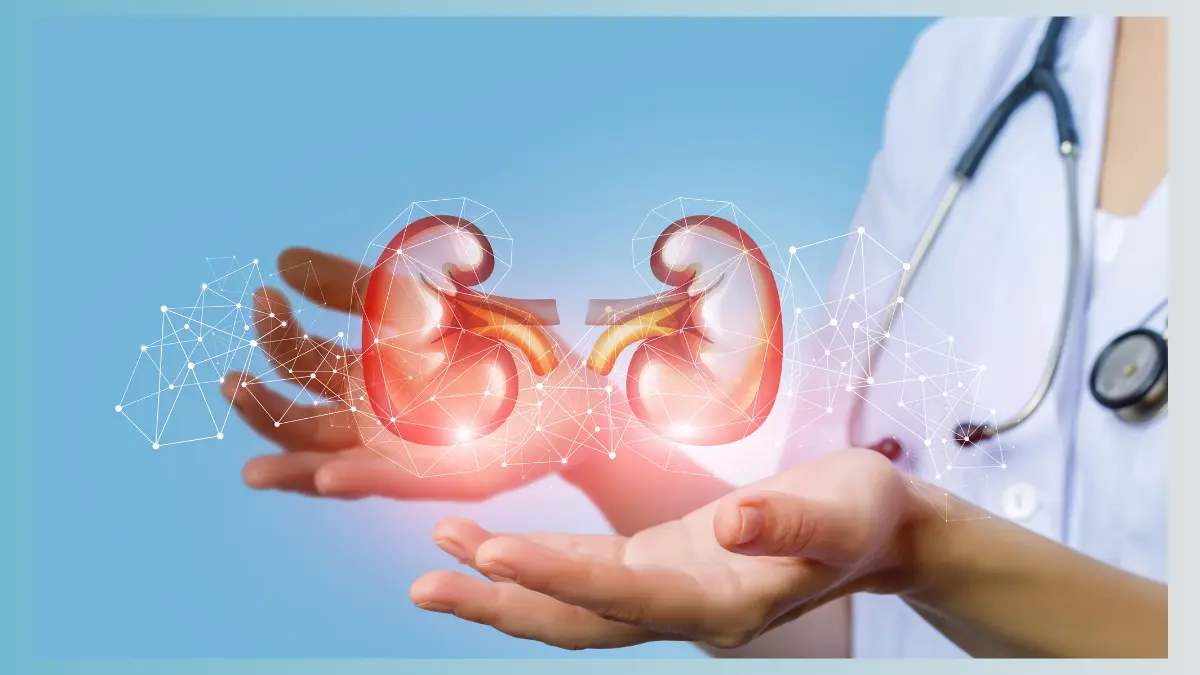
Every day, your kidneys quietly support your body by filtering blood, removing waste, and balancing vital minerals, yet most people hardly give them a thought. But when these hardworking organs face disease, the consequences can be serious and often silent. On World Kidney Cancer Day, we take a moment to recognise the importance of kidney health, understand the rising threat of kidney cancer, and learn how everyday habits play a major role in prevention and care. Whether it’s cancer, chronic disease, or kidney stones, awareness is the first step toward protection.
What Exactly Do Kidneys Do?
Your kidneys are small, bean-shaped organs located just under your rib cage, one on each side of your spine. Most of us don’t think about them unless there’s pain or a test result gone wrong. But these organs are constantly working behind the scenes to:
- Filter around 50 gallons of blood every single day
- Remove toxins, waste, and excess fluids via urine
- Balance minerals like sodium and potassium
- Help control blood pressure
- Keep bones strong
- Make hormones that produce red blood cells
In short, if your kidneys don’t work, neither can your body.
How Does Kidney Cancer Happen?
Kidney cancer starts when cells in your kidney grow abnormally and form a tumour. Most often, this begins in the tiny tubules inside your kidney that filter blood. Over time, these cells can grow out of control, damage tissues, and potentially spread to other parts of your body if left untreated.
Common Reasons Behind Kidney Cancer
While anyone can get kidney cancer, certain lifestyle and environmental factors raise the risk:
- Smoking: Smokers are up to twice as likely to develop kidney cancer
- Obesity: Excess fat affects hormones that influence kidney cell growth
- High blood pressure: Damages blood vessels in the kidneys over time
- Family history: Genetic factors can increase your chances
- Chemical exposure: Jobs involving heavy metals, solvents, or herbicides
- Chronic kidney failure or long-term dialysis
- Misuse of painkillers like ibuprofen over years
Symptoms You Shouldn’t Ignore
Kidney cancer often grows silently in the early stages. But watch out for these signs:
- Blood in your urine (pink, red, or cola-coloured)
- A constant dull ache or sharp pain in your lower back or side
- Unexplained fatigue or weakness
- Weight loss without dieting
- A lump or mass around your waist area
- Fever that won’t go away
Important: These symptoms aren’t always cancer, but they always deserve a doctor’s attention.
Types of Kidney Cancer
Not all kidney cancers are the same. Here are the major types:
- Renal Cell Carcinoma (RCC): The most common form, especially in adults
- Transitional Cell Carcinoma: Starts in the part of the kidney that connects to the bladder
- Wilms Tumour: Mostly affects children under 5
- Renal Sarcoma: A rare type that begins in the kidney’s connective tissue
What is Chronic Kidney Disease (CKD)?
Chronic Kidney Disease is a long-term condition where your kidneys lose function little by little. It often develops slowly and quietly over the years. If not managed, CKD can lead to kidney failure, where dialysis or a transplant becomes the only option.
What Causes CKD?
The main culprits behind CKD include:
- Diabetes: High blood sugar harms kidney tissues
- High blood pressure: Damages tiny blood vessels in the kidneys
- Glomerulonephritis: Inflammation of kidney filters
- Polycystic Kidney Disease: A genetic disorder that causes cysts
- Repeated UTIs or obstructions
- Long-term use of certain medications (like NSAIDs)
Kidney Stones: Small But Painful
Kidney stones are solid crystals formed from minerals and salts. They can block the urinary tract and cause excruciating pain as your body tries to pass them.
Causes of Kidney Stones:
- Dehydration
- Diets high in salt, sugar, or protein
- Family history
- Obesity
- Excess calcium or vitamin D supplements
Symptoms:
- Sudden, severe pain in the lower back or side
- Pain while urinating
- Pink or cloudy urine
- Nausea or vomiting
- Frequent urge to pee in small amounts
Prevention Tips:
- Drink plenty of water (at least 2.5 litres a day)
- Limit salty, sugary, and processed foods
- Avoid excessive supplements without medical advice
- Don’t hold in urine for long periods
- Stay active and maintain a healthy weight
Daily Habits to Keep Kidneys Happy
Good kidney health doesn’t require complicated plans. Just a few daily choices can protect them for life:
- Stay hydrated: Water is your kidney’s best friend
- Cut down salt and sugar: Helps reduce pressure on kidneys
- Eat whole, unprocessed foods: Fresh fruits, vegetables, whole grains
- Exercise regularly: Walking, yoga, cycling, at least 30 minutes a day
- Avoid overusing painkillers: Especially NSAIDs
- Quit smoking and limit alcohol
- Get tested yearly: Especially if you have high blood pressure, diabetes, or family history
Make Your Kidneys a Priority
Your kidneys may be small, but their role is huge and the risks they face are real. But the good news is that many kidney problems can be prevented or managed with early awareness, healthy lifestyle choices, and regular screenings. This World Kidney Cancer Day, commit to simple habits that protect these vital organs: drink water, stay active, eat smart, and listen to your body. Because protecting your kidneys today could mean saving your health tomorrow.
