



India has taken a major step forward in advanced medical research by launching its first indigenous CRISPR-based gene therapy for sickle-cell disease. This breakthrough, called BIRSA 101, has been developed by Indian scientists and marks a proud moment for the country’s biotechnology sector.
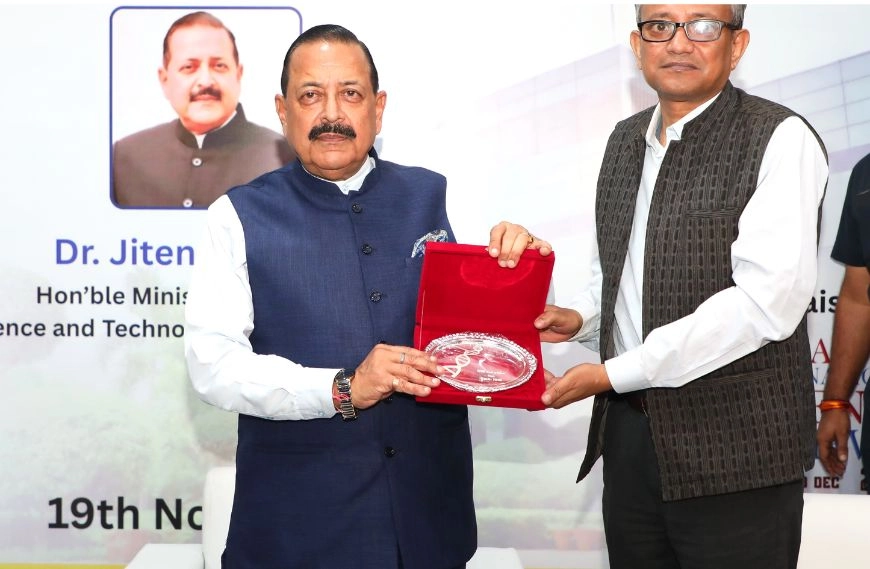
The therapy was unveiled by the Council of Scientific and Industrial Research – Institute of Genomics and Integrative Biology (CSIR-IGIB). It has been created using India’s own CRISPR gene-editing system called enFnCas9, which makes the treatment fully home-grown. This is the first time India has produced a gene-editing therapy of this level on its own.
Sickle-cell disease is a painful and life-threatening genetic disorder that affects lakhs of people in India, especially in tribal regions of central and eastern India. Until now, patients had very few affordable treatment options. Global CRISPR therapies can cost between ₹20 to 25 crore, making them out of reach for most families. BIRSA 101 changes that by offering an Indian alternative that is expected to be far more affordable.
The government has partnered with the Serum Institute of India to scale up the production of this therapy. This collaboration combines scientific innovation with large-scale manufacturing, allowing India to produce high-quality gene-editing treatments at a lower cost than anywhere else in the world.
Clinical trials of BIRSA 101 will begin soon in tribal areas where sickle-cell disease is most common. If successful, the therapy could help thousands of patients who have suffered from this genetic condition for generations.
The launch of this indigenous CRISPR therapy shows that India is not just using global technologies but is also becoming a creator of advanced genomic medicine. It supports the vision of Aatmanirbhar Bharat, where the country develops its own solutions to major health problems.
With BIRSA 101, India has proven that it can compete in the world’s most advanced biotech fields. This achievement opens the door for future Indian gene therapies that may one day treat many other genetic diseases.
Subscribe Deshwale on YouTube
