



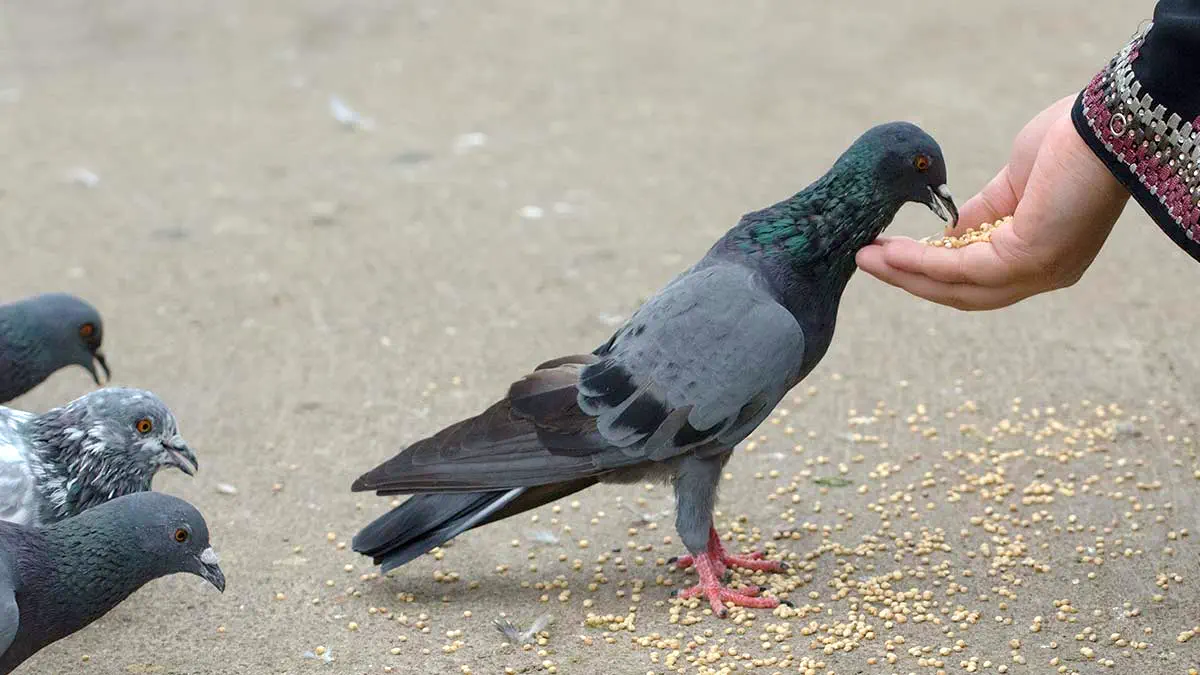
Kabootar khanas are pigeon-feeding spots that blend faith, heritage, and hygiene concerns. Once beloved across India, especially in cities like Mumbai, these spaces have become increasingly controversial due to health risks. While authorities crack down on them, similar traditions flourish globally—from ancient Iranian dovecotes to Venetian piazzas—showing that the human connection with pigeons is both timeless and complex.
A Tradition Under Threat
In central Mumbai, a once-bustling fountain now lies silent—cordoned off and closed. This was the city’s last famous Kabootar Khana, a pigeon-feeding zone where devotees once gathered daily to scatter grain as an act of charity and faith. Now, Maharashtra’s government has ordered all such spaces shut across Mumbai, citing public health risks. Years of accumulated droppings and feathers, officials say, have transformed these peaceful cooing corners into disease-prone zones.
More Than Just Birds: Faith and Culture Intertwined
Despite the closures, many mourn the loss of this cultural fixture. For decades, Kabootar Khanas were woven into the fabric of Mumbai’s daily life. Shopkeeper Vivek Brahmbhatt recalls how Gujarati communities—both Hindu and Jain—brought the tradition with them and considered pigeons sacred, symbols of peace and non-violence.
“They symbolize peace; they’re considered sacred,” he says. Crowds once thronged early mornings and evenings to buy chana or jowar and feed the flocks. The Dadar Kabootar Khana, with its crumbling colonial-era fountain, stood for 90 years as a quiet communion space for people and birds alike.
The Hygiene Dilemma
But this affection isn’t universal. In modern Mumbai, pigeons are often derided as “rats with wings.” Health concerns have led to fierce debate. In 2017, Raj Thackeray’s MNS demanded the Dadar Kabootar Khana be shut due to rising asthma and allergies among residents. The BJP countered, arguing that these sites are part of Mumbai’s heritage and religious duty for many. MLA Raj Purohit reminded critics that even cities like London once welcomed public pigeon-feeding.
This debate mirrors global trends. London’s Trafalgar Square went quiet after pigeon-feeding was banned in 2001. Venice’s St. Mark’s Square banned bird food in 2008 to preserve historic marble statues. Cities like New York and Los Angeles continue to battle pigeon-related challenges in public spaces.
Kabootar Khanas Through Indian History
The tradition in India dates back centuries. Emperors and local rulers once patronized these sites. Old Delhi’s Jama Masjid and Chandni Chowk had their own pigeon-feeding platforms. Hyderabad still preserves the Purana Kabootar Khana, a 200-year-old cage structure in the old city that shelters up to 1,000 birds. The site is maintained by descendants of its founder and sees daily visits from locals of all faiths.
Feeding pigeons is seen as an act of charity or spiritual merit. In India’s concrete jungles, the rock pigeon symbolizes innocence and the need for compassion. But environmentalists warn of hidden risks: pigeon droppings can harbor fungi and parasites harmful to human lungs. Scientific studies link dried guano to respiratory issues, including cryptococcal meningitis.
One Mumbai MLC shared how her aunt developed a deadly illness from prolonged exposure. The BMC now uses hospital data and scientific research to justify redesigning or relocating these sites.
A Global Cousin: The Iranian Kabutar-Khanas
India’s experience finds an architectural cousin in Iran, especially in the plains of Isfahan, where pigeon-keeping reached artistic heights. Built during the Safavid era, monumental dovecotes—also called kabutar-khanas—stood 20 meters tall and housed thousands of pigeons. Ingeniously designed with honeycombed interiors, arches, and earthquake-resilient structures, they were marvels of pre-modern engineering.
The pigeon droppings were collected as valuable fertilizer, essential for farming and tanning leather. At one point, over 3,000 such towers existed in Isfahan alone. Around 700 still remain, standing tall as monuments to an agrarian past.
Pigeon Palaces of Europe
Across Europe, pigeon-keeping has architectural legacies. In France, medieval estates had colombiers (dovecotes) built into manor walls. Greek islands like Tinos are dotted with beautiful peristeronas (stone dovecotes). Even in the Soviet Union, rural families kept pigeons for eggs. Many of these are now preserved as heritage sites.
Though India never built pigeon towers of that magnitude, the very word “kabootar khana” shows its Persian roots, reflecting cross-cultural influence.
Bird Lovers vs Bureaucracy
In Mumbai, animal lovers and citizen groups are campaigning against the closures. PETA India has called pigeons “sky puppies,” emphasizing compassion. They argue that banning feeding zones won’t reduce pigeon populations, as many already nest in rooftops and crevices.
In Bengaluru, activists protested when pigeons were cleared from High Court grounds. Local residents in areas like Uttarhalli continue to feed birds quietly, especially during dry seasons when natural food sources vanish. Across India, temple courtyards and schoolyards often see elderly citizens scattering grain at dawn.
Health First, Heritage Later?
But policy winds are shifting. Mumbai’s civic body now imposes fines for feeding birds outside designated zones. The iconic Dadar Kabootar Khana might reopen—if strict hygiene measures are maintained. In 2022, the city demolished the Khar railway junction kabootar khana, turning it into a garden.
Health Minister Uday Samant clarified:
“There’s a misconception that feeding pigeons is harmless or spiritual. In reality, it’s contributing to serious health issues.”
A Legacy in Flight
Despite the warnings, the sight of birds circling colonial fountains or temple roofs still touches something deep within the Indian psyche. Pigeons have been likened to souls by poets, messengers of peace by saints, and symbols of continuity by communities.
As a former Mumbai mayor observed:
“Whether treated as vermin or guests, pigeons have stood by human settlements for millennia. We should not forget that.”
A Coexistence in Question
The tale of the kabootar khana is both a local tradition and a global story—of coexistence, belief, and compromise. From Mughal couriers to Isfahan’s dovecotes, from Delhi’s chowks to Mumbai’s grain-filled plazas, the humble pigeon has held its place in human culture.
Whether modern India will embrace or abandon this tradition remains uncertain. But as long as pigeons circle our skies, the kabootar khana will remain a poignant symbol of a bygone bond between city and nature.
