



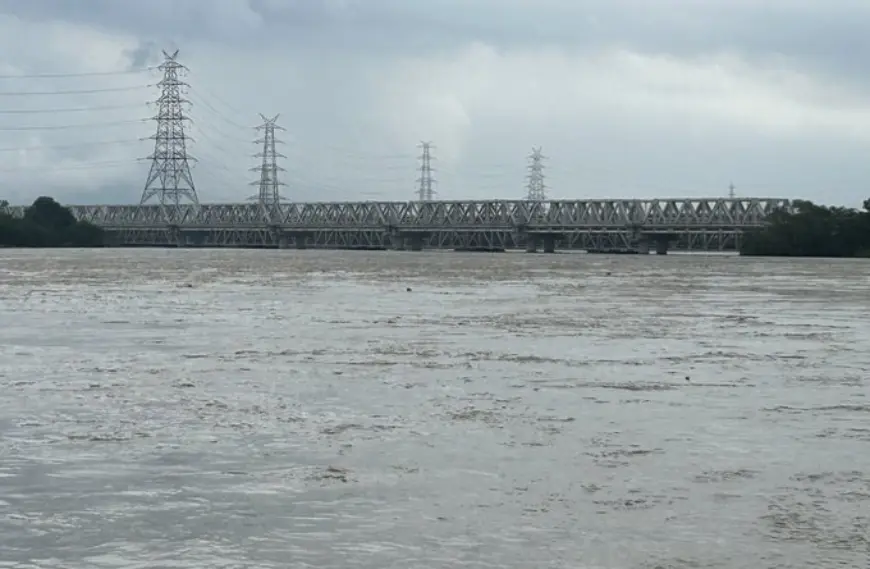
The rising waters of the Yamuna have once again turned parts of Delhi into disaster zones. But beyond the statistics of river levels and evacuation figures lies the dual tragedy: families losing their homes and traders watching their livelihoods wash away. From Majnu ka Tila’s bustling streets to Badarpur’s vegetable markets, the floods have revealed both the vulnerability of Delhi’s informal economy and the human stories of displacement.
Families on the move, memories in bags
For thousands of residents near low-lying areas, evacuation was not just about leaving their homes, it was about deciding what fragments of their lives could fit into one bag. Many carried clothes, some kept documents wrapped in plastic, while children clutched schoolbags or a single toy.
In relief camps, the emotional toll is visible. Parents worry about the uncertainty of returning, children are restless in cramped spaces, and elderly residents sit silently, recalling past floods they never thought they would face again. One mother in Yamuna Bazar said, “We left behind our kitchen, our savings, everything. I only brought my children and school certificates. That is all I could think of.”
Majnu ka Tilla’s silence
Majnu ka Tila, usually buzzing with Tibetan food stalls, clothing shops, and guesthouses, has fallen silent. The waterlogged lanes forced shopkeepers to shutter overnight. Many who depend on tourists and daily cash flow now face total losses.
For small restaurants, refrigerators stand submerged, and dry stock is spoiled. Guesthouses report cancelled bookings, while vendors say they don’t know if their businesses can recover. Each closed shop is not just a financial hit but also an emotional one for families who have built livelihoods there for decades.
Badarpur’s vanishing stalls
At Badarpur, the wholesale fruit and vegetable markets lie under muddy waters. Vendors who brought perishable stock on credit saw it rot within hours. “I borrowed ₹5,000 to buy tomatoes. By evening, everything was gone,” a vendor said, staring at empty crates.
The losses ripple outward: restaurants dependent on Badarpur’s supply chains struggle with shortages, customers face price hikes in unaffected neighbourhoods, and small transporters are out of work as road links remain blocked.
The emotional-economic double blow
The floods don’t just hit balance sheets, they reshape lives. Families who once sold goods in Majnu ka Tila now stand in relief camps as aid seekers. Shopkeepers who prided themselves on self-reliance are suddenly dependent on government rations.
The trauma is two-fold: the emotional loss of home and dignity, and the economic devastation of businesses that may take months to rebuild. For many families, their shop is their home, and losing both simultaneously is like losing their entire identity.
Relief, but recovery is distant
While Delhi authorities have set up relief camps and arranged food supplies, there is little clarity on compensation for small traders. The informal sector which makes up the bulk of these markets has no insurance safety net. Traders warn that without targeted financial support, many may sink into debt traps.
Local associations are demanding:
- Interest-free recovery loans for vendors and small businesses.
- Quick drainage and sanitation to prevent longer shutdowns.
- Direct compensation for losses in perishable goods.
Beyond water levels
The Yamuna’s floods have done more than swell the riverbanks; they have drowned both homes and livelihoods. Families carry memories in bags, while shopkeepers count losses in crates of spoiled vegetables.
The crisis underscores a bigger lesson: disaster management in Delhi must extend beyond evacuating people. It must also safeguard the informal economy that sustains millions. Because when floods strike, they don’t just wash away homes, they wash away futures.
