



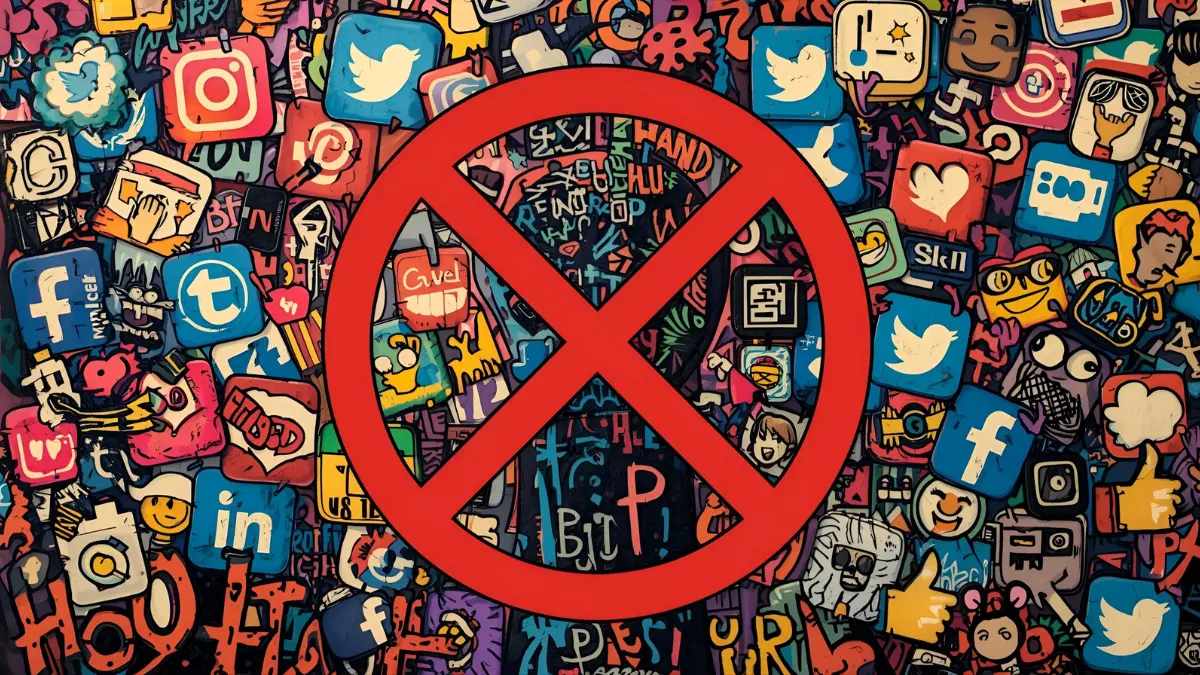
Just after midnight on September 4, 2025, people across Nepal woke up to an unfamiliar silence on their phones. Facebook, Instagram, YouTube, X, WhatsApp, and many other popular platforms had suddenly stopped working. In total, the government blocked 26 major social media services, saying these companies failed to register with the Ministry of Communications and Information Technology. The rule required them to set up local offices, appoint representatives, and provide a way for users to raise complaints.
This decision was not made overnight. Authorities had already given a deadline in late August, asking companies to comply within a week. A few platforms, including TikTok and Viber, followed the rules and continue to operate. Many others, including some of the biggest global players, did not.
Why Has Nepal Taken This Step?
Officials have described the ban as a step to protect citizens rather than restrict them. They argue that unregistered platforms have become easy channels for misinformation, fake identities, and foreign advertisements that escape local scrutiny. By making companies register, the government hopes to make them accountable and ensure that harmful content does not spread unchecked.
Who Is Most Affected?
The sudden blackout has left many people struggling. Students who rely on online groups for study help, small business owners who use social media for marketing, and content creators who earn through digital platforms are among those most affected. Journalists and activists have raised concerns that this move limits the free flow of information and expression, especially in a country where social media plays a central role in connecting communities.
Families with members living abroad have also felt the impact, as their usual channels of communication have gone silent. Entrepreneurs who built their customer base on these platforms are now searching for alternative ways to reach people.
Is the Ban Permanent?
The government has said the block is temporary for those who comply. Any platform that fulfils the registration requirements may be restored quickly. At the same time, a draft bill on social media regulation is being discussed in parliament. Critics fear it could give authorities too much power to control content, while supporters believe it is a much-needed step to bring order to the digital space.
What Does This Mean for the Future?
Nepal’s action reflects a growing global debate. Governments want accountability from large technology companies, but sweeping bans risk alienating citizens and silencing voices. This moment could either push for better cooperation between platforms and the state or open the door to stronger control over online speech.
For now, Nepal stands in a delicate position. The next few weeks will show whether this decision leads to meaningful reform or becomes a turning point that reshapes how its citizens connect with the world.
