



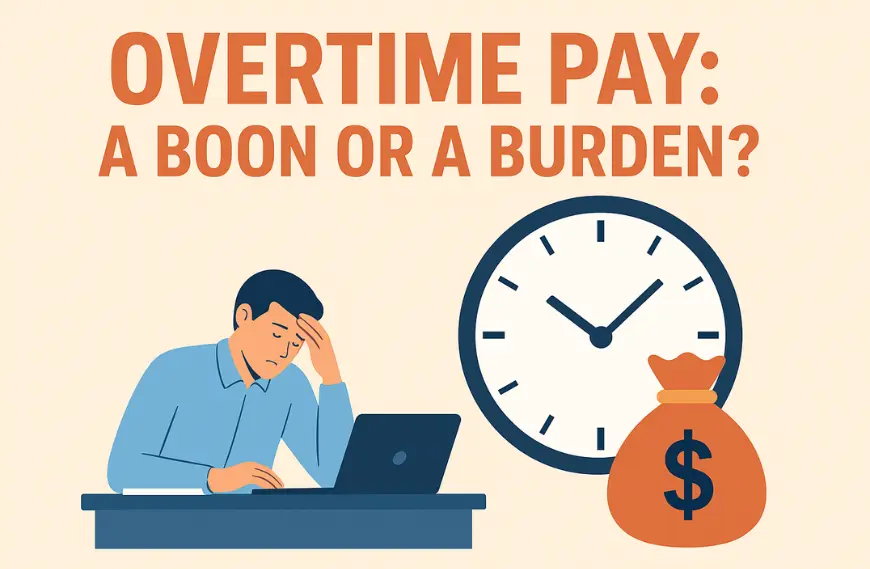
In September 2025, the Maharashtra government amended its labour laws, bringing significant changes to overtime regulations. The aim was to give employees more opportunities to earn while also providing businesses with greater flexibility. Among the key changes, two stand out: increasing the maximum permissible overtime hours and mandating double pay for additional hours worked. While these changes sound beneficial, they also raise important questions about the well-being of workers and the real impact on their work-life balance.
Key Changes in Overtime Rules
Under the new law:
- Increased Overtime Limits: For factories and establishments, the legal cap on overtime has been raised to 144 hours per quarter. Previously, it ranged from 115 to 125 hours depending on the sector.
- Double Pay for Overtime: Any work done beyond the standard hours is to be compensated at twice the normal rate, providing employees with a financial incentive to work longer.
- Mandatory Written Consent: Employers must get written permission from employees before assigning overtime, ensuring that participation is voluntary and documented.
These measures were introduced with the intention of boosting productivity while rewarding employees for their extra efforts.
Potential Concerns
Despite the financial benefits, several concerns arise:
- Risk of Overwork: With the increase in permissible overtime hours, employees could face longer workdays, leading to fatigue and potential burnout.
- Pressure to Agree: In a competitive job market like Mumbai’s, some workers may feel compelled to consent to overtime, even if it negatively affects their health or personal life.
- Impact on Work-Life Balance: Extended work hours could interfere with family time, rest, and personal commitments, adding stress and reducing overall quality of life.
Balancing Benefits and Risks
While the law provides a chance for workers to earn extra, it is crucial that this does not come at the cost of their health and well-being. Both employers and policymakers must ensure that overtime is fair, voluntary, and managed responsibly, striking a balance between productivity and employee welfare.
The Maharashtra labour law amendments on overtime pay are a step toward financial benefit and flexibility. However, their success will depend on careful implementation and adherence to worker rights. If applied thoughtfully, they can empower employees; if mismanaged, they risk turning overtime from a boon into a burden.
