



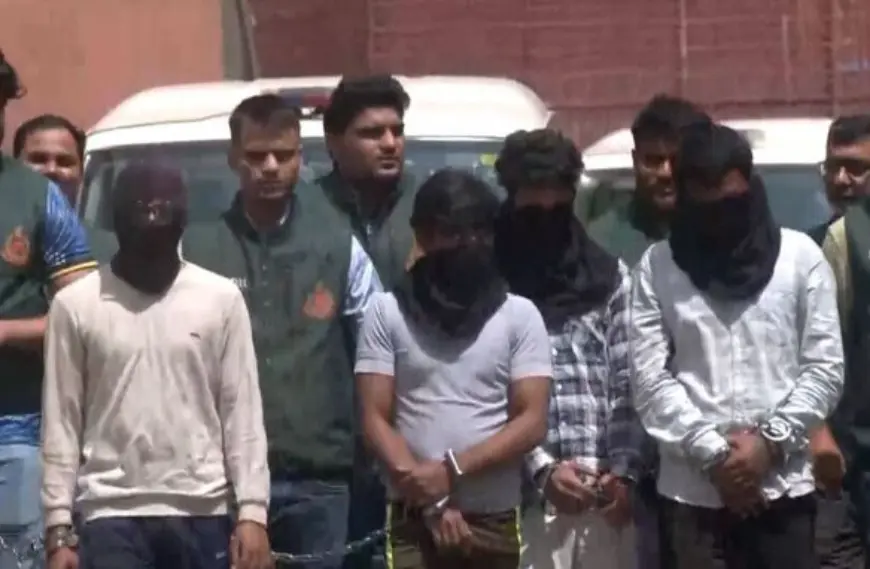
The Delhi Police recently uncovered a terror module that was allegedly planning to establish a ‘Khilafat zone’ in India. According to police reports, the suspects aimed to declare a part of the country as an Islamic state and carry out violent activities to further their agenda. This case highlights how some terror groups are shifting their focus towards territorial control and governance, rather than just isolated attacks.
The operation involved coordinated raids across multiple states, including Delhi, Jharkhand, Telangana, and Madhya Pradesh. Five individuals were arrested during the raids. Authorities believe the module had connections with handlers in Pakistan, who were reportedly guiding and directing their activities.
Investigations revealed that the suspects were being trained to follow extremist ideologies and potentially carry out attacks under the idea of ‘Ghazwa-e-Hind’. Police have also seized materials such as chemicals, weapons, and electronic devices that could have been used to plan attacks.
The arrested individuals came from different educational and social backgrounds, including young graduates. This shows that radicalization can affect people across various communities and professions. The authorities are examining how these individuals were recruited and what methods were used to influence them.
The Delhi Police emphasized that the operation was successful due to careful intelligence gathering and inter-state coordination. By acting before any attack could take place, the security agencies were able to prevent potential harm to citizens.
Experts say this case indicates a new approach by terror organizations. Instead of focusing only on isolated attacks, some groups may now aim to establish control over certain areas. This shift could involve spreading their ideology, gaining followers, and attempting to influence local governance.
While the investigation continues, authorities are urging the public to stay vigilant and report any suspicious activity. They also stressed the importance of community cooperation in preventing the spread of extremist ideologies.
The busting of the Khilafat terror module shows a change in how extremist groups operate in India. The case highlights the need for constant vigilance, intelligence-based policing, and public awareness to maintain safety and security.
