



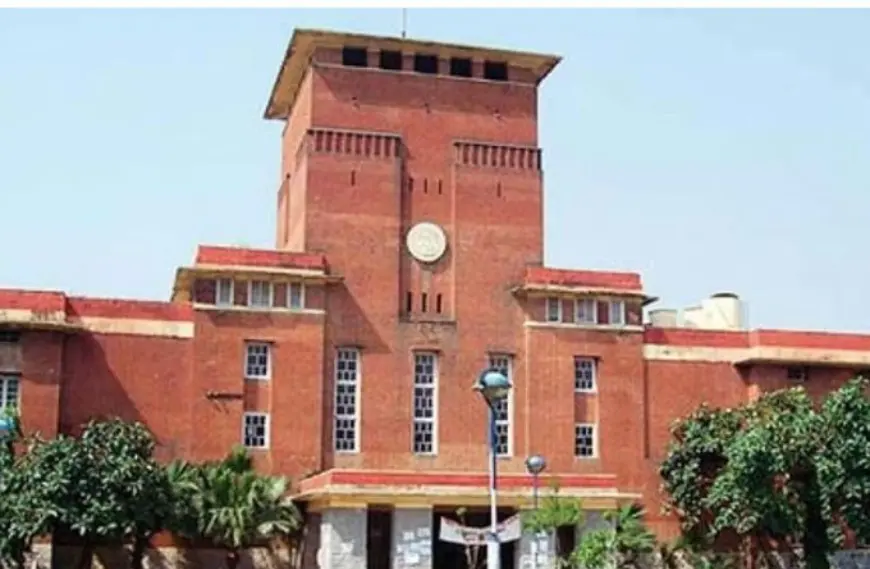
The Delhi University Students’ Union (DUSU) elections in 2025 saw intense competition between the main student organisations ABVP, NSUI, and the Left alliance of SFI-AISA. Polling was held on September 18, and counting on September 19. The voter turnout was reported at about 39–40%, higher than last year’s 35.2% but slightly below the 42% recorded in 2023.
Key contestants
- Aryan Maan (ABVP) – Contesting for president, he emerged as the face of the RSS-affiliated student wing this year. ABVP also fielded Govind Tanwar for vice president, Garima Singh for secretary, and Ayush Jaiswal for joint secretary.
- Joslyn Nandita Choudhary (NSUI) – The Congress-backed student wing’s presidential candidate. She is a postgraduate student of Buddhist Studies, and notably the first woman fielded by NSUI for the top post in 17 years. NSUI’s panel also included Rahul Jhansla for vice president, Anjali Kumari for secretary, and Vikas Dhillon for joint secretary.
- Anjali (SFI-AISA alliance) – Representing the Left alliance, she is a student of Indraprastha College for Women and contested for president.
A total of 21 candidates were cleared for the post of president, but the central fight remained between these three groups.
Manifesto promises
The contest wasn’t just about names but also about promises made to students.
- ABVP focused on campus facilities and student welfare. Its manifesto promised free Wi-Fi in DU campuses, subsidised metro passes, accessibility audits for differently-abled students, expansion of hostel facilities, better sports infrastructure, and subsidised health insurance for students.
- NSUI made affordability and inclusivity its main plank. The party promised rollback of fee hikes, up to 12 days of menstrual leave per semester, safer campuses with better lighting and transport, opposition to the National Education Policy (NEP) 2020, improved hostel facilities, and more transparent examination processes.
- SFI-AISA highlighted gender equality and inclusivity. Their promises included 24×7 functional libraries, stronger anti-sexual harassment mechanisms, affordable hostels, and resisting policies they argue make education less accessible.
A changing campaign culture
This year’s elections also showed a visible change in campaign style. Unlike the past, walls and hostels had fewer posters and graffiti, with stricter enforcement of Lyngdoh Committee guidelines against defacement. Campaigns leaned more on classroom visits, digital outreach, and student gatherings instead of aggressive poster wars.
With nearly 2.8 lakh eligible voters, the DUSU polls are seen as a mirror of national political trends among young people. The rise in turnout compared to 2024 shows growing interest, even though participation has not yet matched 2023 levels.
For many students, the election is not just about ideology but about daily campus life from hostel rooms and exam stress to safety at night and transport costs. The promises made reflect this balance of politics and practicality.
