



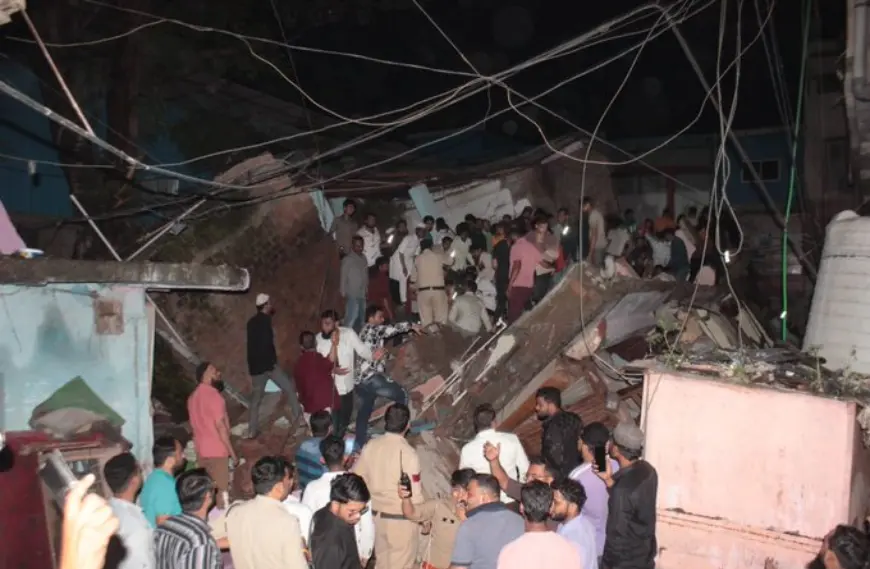
India’s rapid urbanization has brought with it remarkable economic growth and infrastructure development, but it has also exposed critical vulnerabilities in urban planning and construction safety. The recent tragedy in Indore, where a three-storey building collapsed leaving two dead and twelve injured, highlights the recurring problem of structural failures in cities that are expanding too quickly without adequate oversight.
Building collapses are not isolated incidents in India. Cities such as Mumbai, Bengaluru, and Delhi have all witnessed similar disasters, often linked to poorly regulated construction, substandard materials, and weak adherence to building codes. In the Indore case, preliminary reports suggest that the building may not have met the required safety standards, underscoring the urgent need for stringent regulations and rigorous enforcement.
Urban planners and architects point out that the root causes of such failures are multifaceted. Rapid population growth creates high demand for housing, which sometimes leads builders to cut corners in order to meet deadlines and reduce costs. In addition, many older buildings were constructed decades ago without modern engineering practices, and continued neglect or lack of maintenance makes them susceptible to collapse, especially under environmental stress such as heavy rains or minor seismic activity.
The human cost of these structural failures is immense. Each collapse represents not just a failure in engineering but also a breakdown in governance and accountability. Families lose loved ones, residents are displaced, and local economies are disrupted. Beyond immediate rescue and medical efforts, long-term planning must prioritize safety audits, retrofitting of older structures, and transparent monitoring mechanisms to prevent future tragedies.
Experts argue that city authorities need to adopt proactive measures rather than reactive responses. Regular inspections, mandatory certification for builders, and the use of modern construction materials can significantly reduce risks. Public awareness campaigns can also educate citizens about reporting unsafe buildings and understanding building codes.
The Indore collapse serves as a stark reminder that urban growth cannot come at the expense of safety. As Indian cities continue to expand, it is essential to strengthen regulatory frameworks and enforce compliance rigorously. Building safer cities requires collaboration between architects, engineers, urban planners, and government authorities to ensure that rapid development does not compromise structural integrity.
Ultimately, the Indore incident should prompt policymakers and urban developers to reevaluate the standards of construction in India’s cities. Only by addressing these systemic issues can urban India aspire to achieve sustainable growth that protects both its residents and its infrastructure
