



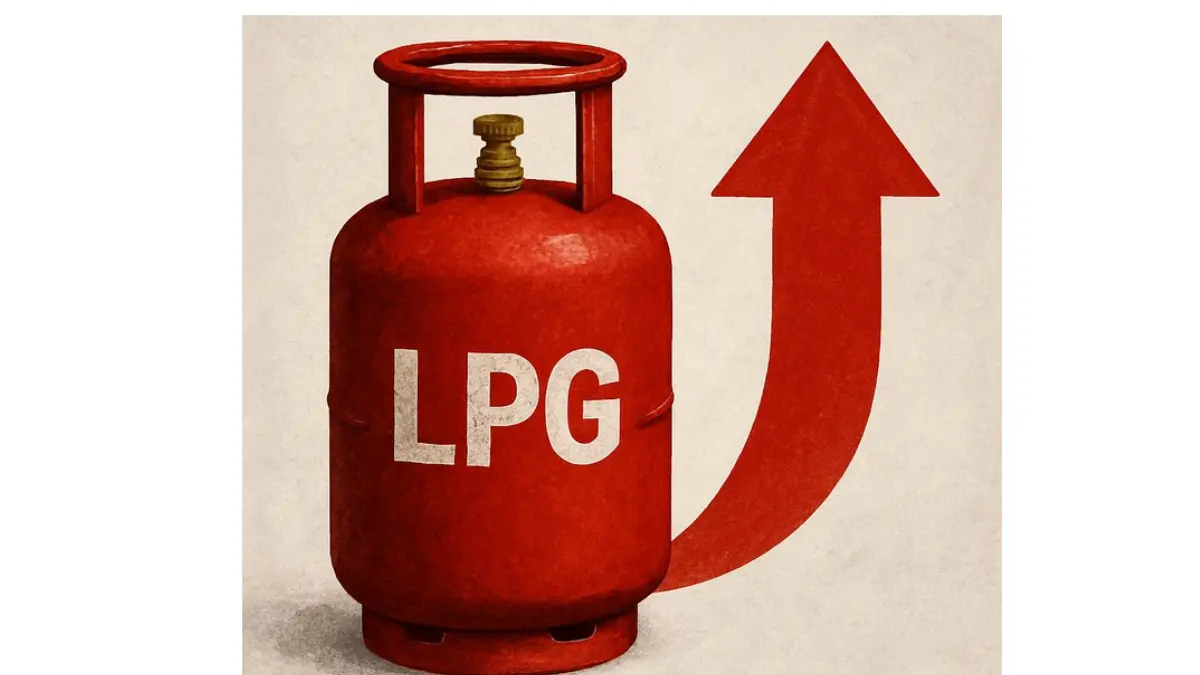
For many businesses and citizens, cooking gas is more than just a household necessity; it’s an essential expense that directly affects daily life. In a striking reminder of how volatile fuel prices can be, the cost of a 19 kg commercial LPG cylinder has been increased by ₹15.50 from October 1, 2025, bringing the price in Delhi to ₹1,595.50. This hike comes just a month after commercial LPG prices were reduced by ₹51.50 in September, highlighting the unpredictable nature of global fuel markets and their direct impact on Indian consumers and businesses alike.
This sudden fluctuation may seem small at first glance, but for restaurants, hotels, and catering services that rely heavily on commercial LPG, even a minor increase can ripple through operational costs. Owners now face tougher calculations for pricing their food and services, and some may eventually pass these costs onto customers. For the average citizen, it raises a pressing question: if commercial prices keep rising, how will everyday households bear the impact? What steps is the government taking to protect the poor, and how will families manage the indirect cost increases?
Domestic LPG users, however, can breathe a little easier for now. The prices of 14.2 kg domestic cylinders remain stable, with rates such as ₹852.50 in Mumbai, ₹853 in Delhi, ₹868.50 in Chennai, and ₹879 in Kolkata. This means household cooking gas bills remain unaffected, a conscious effort by the government to shield common citizens from sudden price shocks. Yet, as commercial establishments adjust to the new costs, the indirect effect on daily life such as slightly higher restaurant bills or catering costs — cannot be ignored.
The reasons behind these frequent price swings lie in the mechanics of LPG pricing. Oil marketing companies adjust commercial LPG prices monthly, based on global crude oil prices and foreign exchange rates. This ensures that domestic and commercial fuel prices reflect real-time market conditions, but it also means that consumers and businesses must constantly adapt to an unpredictable economic environment.
For common citizens, these fluctuations are more than just numbers they translate into real-life concerns. From restaurant bills to food delivery costs, commercial LPG price changes eventually filter down, testing household budgets. Economists and market analysts watch these trends closely to understand broader implications for inflation, but for a family planning monthly expenses, each revision can feel like a mini financial storm.
Ultimately, the cycle of price cuts and hikes demonstrates the dynamic and interconnected nature of fuel markets. While last month’s reduction offered a brief reprieve, this latest increase serves as a reminder that energy costs are never static. Citizens and businesses alike must remain aware and plan accordingly, while the government faces the ongoing challenge of balancing market realities with public affordability. The question remains: how can households, especially the economically weaker sections, cope with these recurring fluctuations? Will there be stronger measures to protect those most affected?
As we navigate these ups and downs, the LPG price revisions are a clear signal of the delicate balance between global markets and everyday life a reminder that even seemingly small changes can have wide-reaching consequences.
