



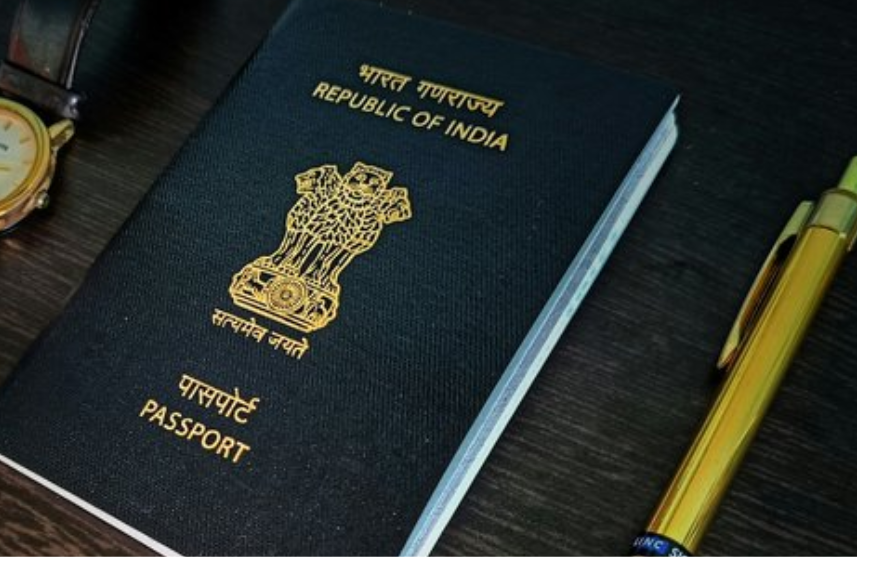
India’s passport has fallen to the 85th position in the 2025 Henley Passport Index, granting visa-free access to only 57 countries. This decline marks a significant drop from earlier this year, when the Indian passport briefly rose to 77th place. The shift underscores the urgent need for stronger diplomatic engagement to enhance travel freedom for Indian citizens.
The Henley Passport Index ranks passports globally based on the number of destinations holders can access without a prior visa. Countries at the top, such as Singapore, South Korea, and Japan, offer entry to over 189 nations without restrictions. Several European nations, including Germany, Italy, and Switzerland, also feature prominently in the top rankings, reflecting strong diplomatic networks and international influence.
In contrast, India, despite being the world’s fifth-largest economy, remains outside the top 50 most powerful passports. Its current ranking is shared with Mauritania. Visa-free access is limited to countries including Bhutan, Nepal, Sri Lanka, Thailand, Indonesia, Malaysia, the Maldives, and select Caribbean and African nations. This restricted mobility affects not only leisure travel but also business, education, and professional opportunities abroad.
The decline comes amid a global shift in passport rankings. Notably, the United States has dropped out of the top 10 for the first time, now ranking 12th with access to 180 countries. This indicates that even long-standing global powers face challenges in maintaining travel freedom, highlighting the dynamic nature of international relations.
For India, the 85th rank serves as a wake-up call. Improving diplomatic ties, negotiating visa agreements, and strengthening international partnerships are critical to expanding global mobility for Indian citizens. Enhanced passport power not only facilitates travel but also reflects a country’s soft power and global standing.
As Indian travellers aspire to explore the world for work, study, and leisure, a stronger passport becomes more than convenience; it is a symbol of international engagement and recognition. Boosting India’s passport ranking should therefore be a priority for policymakers, diplomats, and foreign affairs strategists alike.
