



There is a quiet crisis unfolding at the margins of one of the world’s largest democracies. Thousands of refugees from Myanmar live in India, many of them having fled persecution and violence in their homeland. Yet in recent weeks, they have found themselves caught in a storm of suspicion and accusation, following a devastating terror incident in the northern region of Jammu and Kashmir.
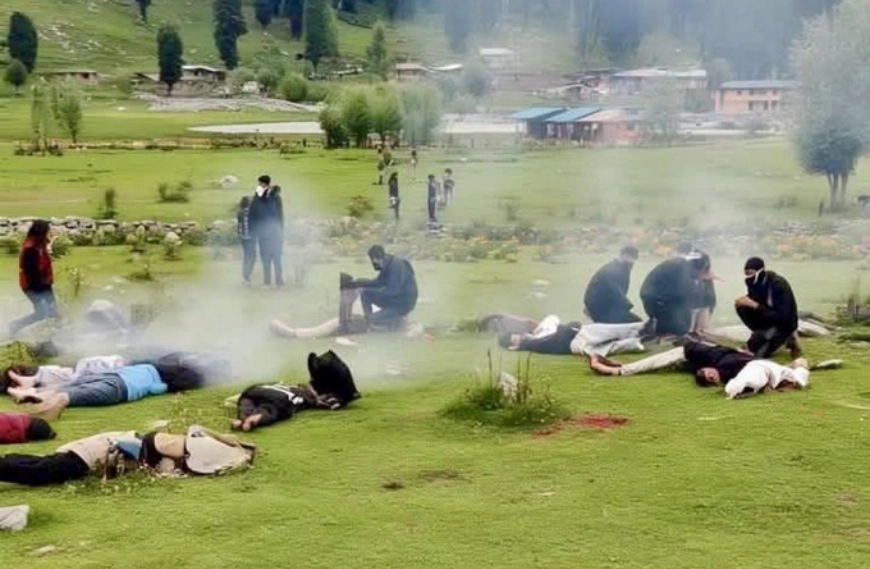
In April 2025, the Pahalgam area witnessed a brutal attack on tourists that shocked the nation. In the aftermath, a report by a United Nations Special Rapporteur linked the incident to displaced persons from Myanmar living in India. The report claimed that refugees had been summoned, detained, interrogated, and threatened with deportation despite having no proven involvement in the attack.
India’s response to the UN report was swift and firm. Representing India at the UN General Assembly’s Third Committee, MP Dilip Saikia rejected the claims as ‘blinkered and baseless’, arguing that they lacked factual evidence and unfairly targeted the country. His statement reflected India’s broader stand that such allegations were not only misleading but also harmful to the nation’s reputation and its security narrative.
The Rohingya and other displaced communities from Myanmar already live in difficult conditions across parts of India. Without official refugee status, many struggle for access to healthcare, education, and employment. The UN report’s linkage of the Pahalgam attack to these communities further deepened their vulnerability, reinforcing existing prejudices and heightening fears of deportation or discrimination.
What complicates the issue further is the way narratives are shaped in the aftermath of violence. Refugees often become easy scapegoats when security crises emerge. In this case, even though no direct evidence tied them to the Pahalgam attack, they were drawn into the conversation as potential suspects, overshadowing their struggle for safety and dignity.
This episode highlights a troubling pattern: the tendency to associate displaced people with instability or danger. It overlooks their humanity and the fact that most are victims of violence, not perpetrators of it. When such communities are unfairly blamed, it not only adds to their trauma but also distorts the real security discourse.
In the end, the story of the Pahalgam attack and the UN report is not just about diplomacy or data, it is about empathy and fairness. Protecting refugees does not mean compromising national security; it means ensuring that justice and compassion coexist. Refugees from Myanmar, like countless others seeking shelter worldwide, deserve to be seen not as threats but as survivors individuals who have already lost their homes and now seek only safety and dignity.
Subscribe Deshwale on YouTube
