




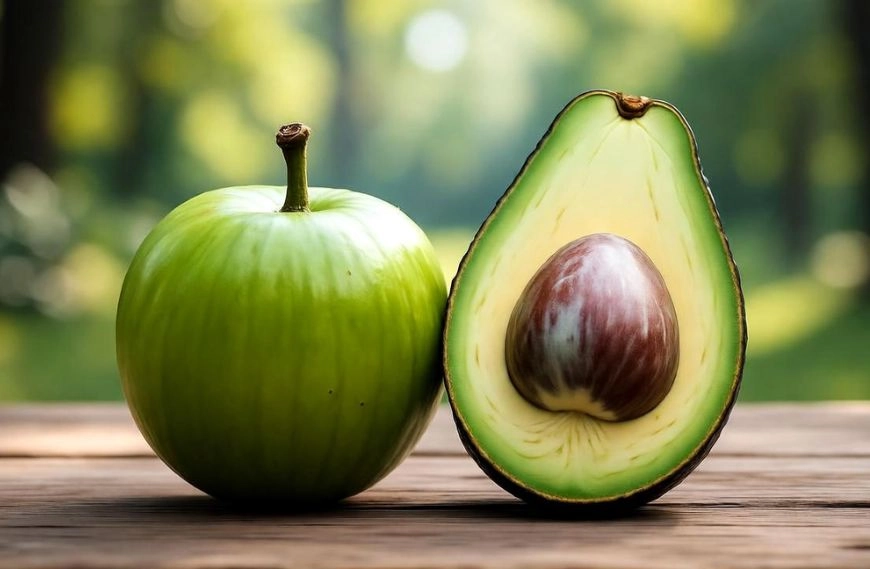
Avocado has long been seen as the ultimate health fruit across social media and wellness circles. Rich in healthy fats, it is often promoted as a ‘superfood ’good for the heart, skin, and overall health. However, Ayurveda experts and nutritionists in India are now encouraging people to look closer to home at Amla, also known as Indian gooseberry.
This humble local fruit, long celebrated in traditional Indian medicine, is being recognised again for its powerful health benefits. Many experts say it is not just a cheaper option but also a more suitable one for the Indian body and climate.
The cost divide
Avocado is one of the most expensive fruits available in Indian markets. Depending on the season and source, a single fruit can cost anywhere between ₹150 and ₹400. Imported from countries like Mexico, Kenya, and Peru, the cost goes up further because of transport and storage.
In comparison, Amla is easily available across India, costing less than ₹100 per kilogram. It grows naturally in Indian soil and does not need long-distance transport. This makes it a truly budget-friendly superfood for Indian households.
Amla’s nutritional power
According to Ayurveda and modern research, amla is rich in Vitamin C, antioxidants, and fibre. It helps improve immunity, supports digestion, enhances skin health, and protects the eyes.
Nutritionists note that while avocado is high in good fats, Amla provides nutrients better suited for Indian diets, which often already include enough natural oils and fats. It also helps balance internal heat, making it ideal for India’s tropical and varied climate.
Dr. Rekha Chaudhary, an Ayurveda expert, explains that “Amla works as a natural cleanser for the body, strengthens eyesight, and slows aging. It is nature’s gift to our region.”
Ayurveda’s endorsement
For centuries, Amla has been a central part of Ayurvedic medicine. It is a key ingredient in Chyawanprash and several immunity-boosting tonics. Ayurveda views Amla as “tridoshic,” meaning it balances all three doshas Vata, Pitta, and Kapha.
This makes it universally beneficial, unlike imported fruits that may not suit everyone’s body type or climate. It also supports sustainable and traditional living, encouraging the use of locally available ingredients.
The sustainability factor
Beyond health, there’s also the question of sustainability. Imported fruits like avocados require large amounts of water and long-distance shipping, increasing their carbon footprint.
On the other hand, Amla is native, sustainable, and grows easily in Indian conditions. Supporting Amla farming not only benefits the environment but also helps local farmers and rural economies.
A superfood for all
Amla can be enjoyed in many forms raw, juiced, candied, or as murabba and chutney. It fits well into traditional and modern diets alike. For those looking to improve immunity, skin glow, or digestion naturally, Amla offers a simple, affordable path to wellness.
In the debate of Desi Superfood vs Imported Trend, Amla clearly comes out ahead more nutritious, more affordable, and more Indian. Instead of chasing costly imports, it may be time to celebrate the homegrown miracle fruit that has always been right in our kitchens.
Subscribe Deshwale on YouTube
