



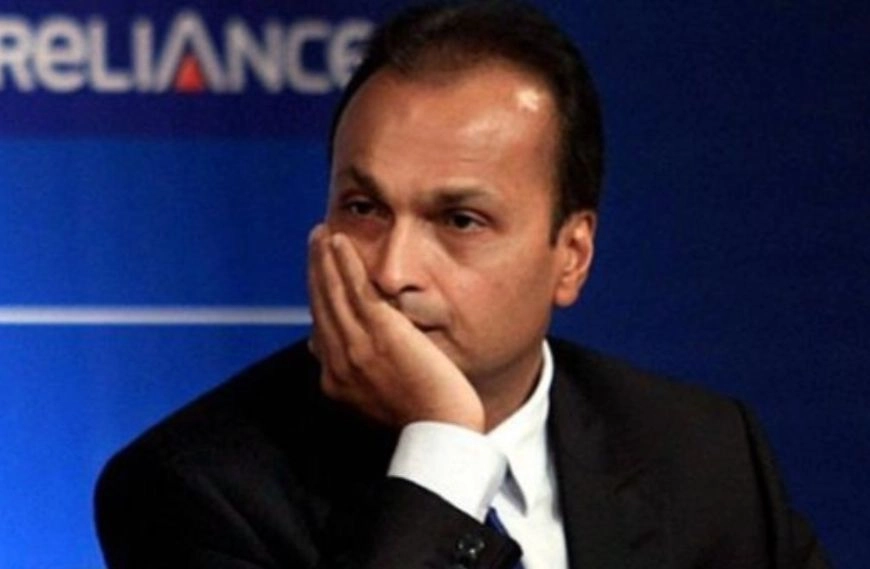
The Enforcement Directorate (ED) has struck a major blow to Anil Ambani’s Reliance Group, attaching more than 40 high-value assets worth over ₹3,000 crore in a sweeping money-laundering investigation. The properties include luxury homes, premium commercial spaces, and sprawling land parcels across India’s biggest cities all now frozen under the Prevention of Money Laundering Act (PMLA).
The scale of the seizure
According to official sources, the attached assets belong to multiple Reliance Group companies linked to the Anil Dhirubhai Ambani Group (ADAG). These include Reliance Communications, Reliance Infrastructure, and Reliance Power. The ED’s provisional attachment order lists several prime properties in Mumbai, Delhi, and other metros including residential complexes and office towers once considered the jewels of the group’s portfolio.
For the agency, this is not just another financial probe. It’s one of the largest property attachments ever made against a single corporate group in India. For Ambani, it marks another tough chapter in a long period of financial strain, debt restructuring, and regulatory scrutiny.
What triggered the crackdown
The action stems from loans worth thousands of crores extended to Reliance Group firms by Yes Bank and other lenders. Investigators allege that the funds were later diverted through a network of shell entities, creating layers that obscured the money trail. The ED suspects that parts of the borrowed sums were used for non-business purposes, in violation of banking and financial norms.
The agency claims its investigation revealed irregularities in the loan documentation process, such as incomplete guarantees and unsecured lending. With this, the case has become a test of how India’s financial watchdogs handle complex corporate lending practices that once went unchecked.
The real-estate connection
Among the most striking aspects of the probe is the scale and location of the seized properties. The ED’s list reportedly includes luxury apartments in Mumbai’s Pali Hill and Bandra, office spaces in commercial hubs, and valuable land parcels under Reliance companies. These assets, once symbols of corporate success, now represent the cost of financial mismanagement and regulatory non-compliance.
For years, India’s high-value real estate has served as both a symbol of business power and a haven for corporate capital. This latest enforcement move shows how that equation is changing. Regulators are now treating real estate not just as collateral, but as a potential instrument in the flow of unaccounted money.
A blow to corporate confidence
The Reliance ADAG empire, once a major force in telecom, infrastructure, and power, has seen steady decline since the late 2010s. Mounting debts, failed ventures, and falling investor confidence eroded its position in India’s corporate landscape. The latest ED action deepens those troubles, placing Ambani and his companies under intense financial and reputational pressure.
Experts say such asset freezes also send a wider signal to corporate India. In an era of stricter financial laws and data transparency, ownership patterns and asset transfers are under far greater scrutiny than before. “The days of using real estate as a shield for questionable corporate practices are ending,” said one financial analyst.
The bigger picture
India’s Enforcement Directorate has stepped up its pursuit of white-collar financial crime in recent years. From real estate to banking frauds, the agency has expanded its reach, using the PMLA to attach assets suspected of being linked to money laundering. The Reliance case is one of several high-profile actions reflecting this broader trend.
For India’s corporate world, this case underscores an uncomfortable truth: accountability is now catching up with past practices. The glamorous offices and luxury penthouses once seen as hallmarks of success may soon become reminders of an era when regulatory loopholes allowed wealth to grow unchecked.
The attached assets will remain under ED control until the case is decided by a special PMLA court. If found guilty of money laundering, the properties may be permanently confiscated by the government. Meanwhile, the Reliance Group has reportedly denied any wrongdoing and may seek legal remedies.
As the investigation unfolds, it’s not just about numbers and properties — it’s about the credibility of India’s financial system. The message is clear: in today’s India, even the most powerful corporate empires are not beyond the reach of the law.
Subscribe Deshwale on YouTube
