



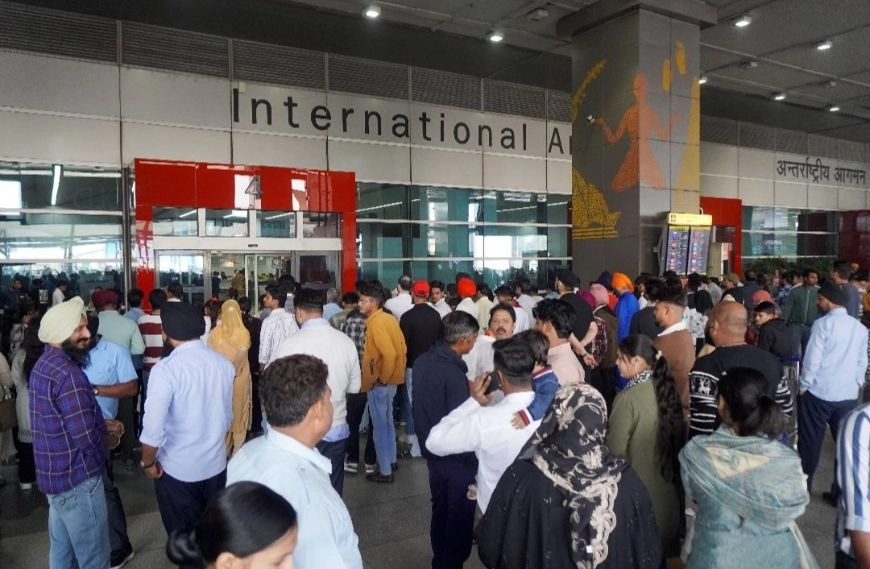
On Friday, over 300 flights at Indira Gandhi International Airport (IGIA), Delhi, were delayed due to a technical glitch in the airport’s air traffic control system. The disruption left thousands of passengers stranded, leading to long queues, confusion, and mounting frustration in terminals. Airlines and airport authorities worked to manage the situation, but the scale of the delay created significant inconvenience.
The problem arose when the automatic message switching system (AMSS), which processes flight plans electronically, experienced a failure. Air traffic controllers were forced to switch to manual procedures to handle incoming and outgoing flights. While safety protocols were maintained, this slowed the processing of flights and led to cascading delays across domestic and some international routes.
Passengers reported long waiting times at check-in counters and boarding gates. Many expressed concerns over missed connections, rescheduled flights, and a lack of timely updates from airline staff. Social media was flooded with messages from affected travelers seeking information about delays and alternate arrangements.
Airlines such as IndiGo, SpiceJet, and Akasa Air advised passengers to check flight statuses before heading to the airport and to arrive early. Ground staff worked tirelessly to coordinate arrivals and departures, but the manual processing system could not match the speed of the automated system.
The disruption also affected other airports indirectly. Flights arriving from or departing to Mumbai, Jaipur, and other major hubs experienced delays due to the knock-on effect from Delhi, India’s busiest airport. Experts note that even a short-term technical failure in a central hub can ripple across the national air network, highlighting vulnerabilities in aviation infrastructure.
Many passengers voiced their frustration over the lack of communication during the initial hours of the glitch. Some missed connecting flights, while others had to wait for hours before being accommodated on rescheduled flights. Airport authorities and airlines set up temporary help desks to assist passengers with rebookings and hotel accommodations where necessary.
The incident has raised questions about the preparedness of the airport’s backup systems. Aviation analysts have suggested that airports should have multiple redundancies to prevent widespread disruption, especially at busy hubs like Delhi. Officials have assured that a detailed review will be conducted to avoid such situations in the future.
While no safety incidents were reported, the event underscores the challenges passengers face when technological systems fail. Travelers are reminded to stay informed, maintain flexibility in travel plans, and follow updates from airlines and airport authorities during such disruptions.
Subscribe Deshwale on YouTube
