



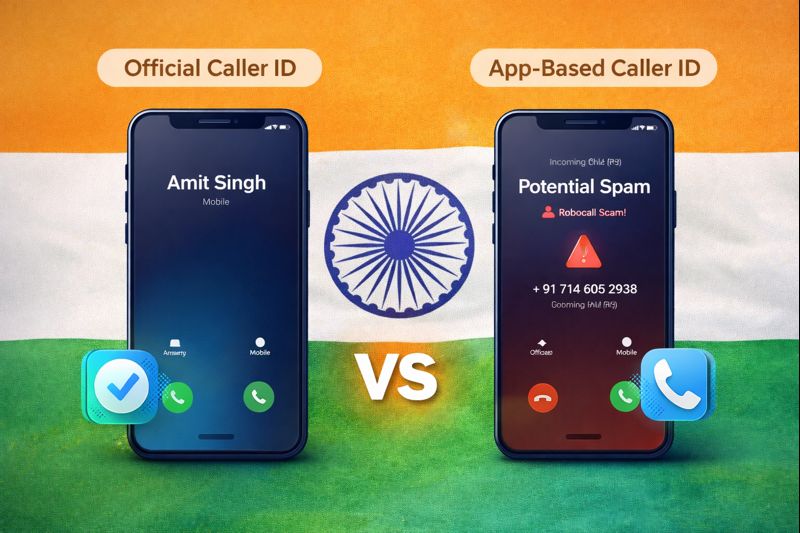
India’s mobile users are on the verge of a major change in how incoming calls are identified on smartphones. A new telecom-level caller name system is being rolled out that shows the verified name of incoming callers directly on the phone, without the need for any third-party app or internet connection. This new system is being compared with popular app-based caller identification solutions that many users rely on today.
The new caller identification framework works by displaying the registered name of the caller based on their telecom subscription details. These records are linked to the know-your-customer (KYC) information provided at the time of SIM registration and stored directly with the telecom operator.
Once active, this feature automatically retrieves and displays the caller’s name on your screen as the call rings in. It operates using the mobile network itself, which means it does not require a smartphone app or an internet connection for the basic name display.
This network-based caller name display is being introduced in phases across 4G and 5G networks, with wider availability expected to reach a majority of users by early 2026. Initial trials of the feature have already started in select regions to refine the rollout process.
How This Differs from App-Based Caller ID
Most users are already familiar with app-based caller identification services that operate on smartphones. These solutions use large crowdsourced databases and community-generated information to tag incoming numbers – showing names, spam warnings, business tags, and other context before the user answers the call.
The key differences between the network-level system and these apps are:
- Data Source and Verification:
The network-level caller name feature pulls the registered name directly from verified telecom records. App-based services rely on user-generated data and patterns derived from millions of users. - Internet and App Requirements:
The network system doesn’t need a separate app or internet access to display caller details. Apps require installation, user registration, and periodic updates. - Feature Scope:
Network-level ID focuses on showing the official name. App-based solutions add layers such as spam detection, automated blocking, fraud scoring, business identity tags, and community alerts.
User Privacy and Functionality
One advantage of the new network-driven system is privacy control. Since the caller’s name is drawn from official KYC details linked to the telecom account, users do not need to grant access to their contact list or other phone data – a requirement common with app-based solutions.
Moreover, telecom regulators plan to enable this feature by default for all subscribers. Users who prefer not to display their name on outgoing calls will generally have the option to opt out through their telecom provider settings.
Spam Calls and Scam Prevention
With rising concerns about spam and scam calls, the new caller name system aims to offer users more transparency about incoming calls. By showing an official verified name, it becomes easier to decide whether to answer unknown calls. This is expected to help reduce unwanted marketing, fraud, and spoofed calls.
However, app-based services continue to offer advanced spam detection and blocking tools that go beyond simple name display. Those features remain valuable for many users, especially for proactively managing spam and fraud calls.
Which Option Is Better for Users?
Both systems are designed to help mobile users know who is calling, but they serve slightly different needs:
- Network-level caller name provides a basic but verified identity for incoming calls without any apps or extra permissions.
- App-based caller ID offers deeper insights, spam scoring, call context, and community data but requires user permissions and smartphone dependence.
The upcoming network feature is expected to reduce reliance on third-party apps for simple name identification, but it does not fully replace the broader set of tools that app-based services offer.
India is moving towards a standardized, built-in caller ID experience that gives verified caller names by default for incoming calls. This shift is aimed at making call identification clearer, more secure, and easier for users, especially those who prefer not to install additional applications.
As the rollout continues through 2026, users will have broader access to this network-level feature alongside traditional app-based systems, giving them more flexibility and control over their caller ID experience.
Subscribe Deshwale on YouTube
