



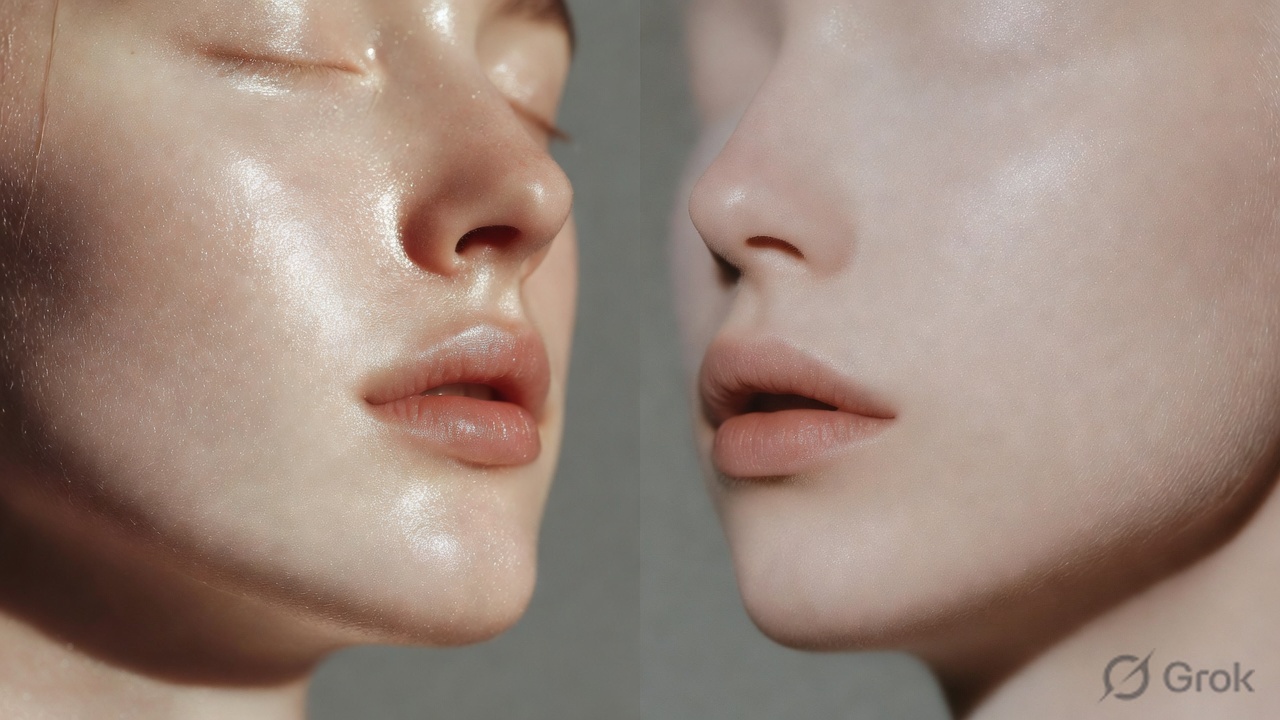
In 2026, complexion trends have moved beyond simple glow goals and into a more layered conversation about texture, finish and skin health. Two aesthetics now dominate beauty discussions across social media, backstage at fashion weeks and in dermatology clinics alike: glass skin and cloud skin. While both claim to celebrate healthy skin, they approach it from very different angles.
Glass skin, which emerged from Korean beauty culture, focuses on intense hydration and clarity. The goal is skin that appears almost translucent, smooth and reflective. Achieving this look usually involves layering lightweight toners, hydrating serums and moisturisers that support the skin barrier. Ingredients such as hyaluronic acid and ceramides play a central role. The finish is luminous and dewy, often described as lit from within. Under the right light it can look striking. Under harsher light, it can look like you just ran to catch a train.
Cloud skin, on the other hand, is widely traced to Western beauty runways and editorial makeup trends, particularly in Europe and the United States, where artists began favouring softly diffused, semi matte complexions over high shine finishes. The term gained momentum through fashion week backstage looks and later spread rapidly on social media platforms. Instead of gloss, it celebrates a blurred, velvety surface that still feels natural. Think of skin seen through a soft filter rather than a spotlight.
The technique behind cloud skin is relatively straightforward. Light matte or satin finish foundations are paired with blurring primers and minimal highlighter. Cream products are blended carefully to avoid sharp edges. The aim is not flatness but balance. The skin should look calm, plush and gently radiant without obvious shimmer. Many makeup artists say it photographs beautifully, especially in humid climates where excess shine can overwhelm features.
The rise of cloud skin signals a broader shift in consumer priorities. Over the past few years, there has been growing fatigue around extreme finishes. Not everyone wants their cheekbones to reflect sunlight. Cloud skin feels more wearable for everyday life. It adapts well to combination and oily skin types, which often struggle with heavy hydration routines. That practical edge matters.
Yet glass skin retains strong appeal, particularly among skincare enthusiasts who enjoy ritual and routine. The layered approach encourages attention to barrier repair, gentle exfoliation and consistent moisturising. Dermatologists often stress that well hydrated skin functions better overall. The glow, in that sense, becomes a by product of good care rather than a cosmetic trick.
Of course, not all observers are convinced by either trend. Some argue that chasing flawless finishes can quietly reinforce unrealistic standards. Real skin has texture. It has pores. Sometimes it has spots too. One slightly awkward truth is that trends rarely account for hormonal acne on a Tuesday afternoon. And that is fine.
Industry analysts note that brands are responding quickly. Hybrid products now promise both hydration and blur. Foundations advertise breathable coverage with skincare benefits built in. The line between makeup and treatment continues to blur, if that is not too obvious a phrase.
Ultimately, the debate may be less about choosing sides and more about personal comfort. Some days a luminous finish feels uplifting. Other days a soft matte base feels safer. Skin changes with seasons, stress and age. Trends come and go.
What should remain constant is respect for natural variation. Whether you lean towards glow or softness, your skin does not need to mimic glass or clouds to be worthy. Be proud of your skin and comfortable in your original skin.
Subscribe Deshwale on YouTube
