



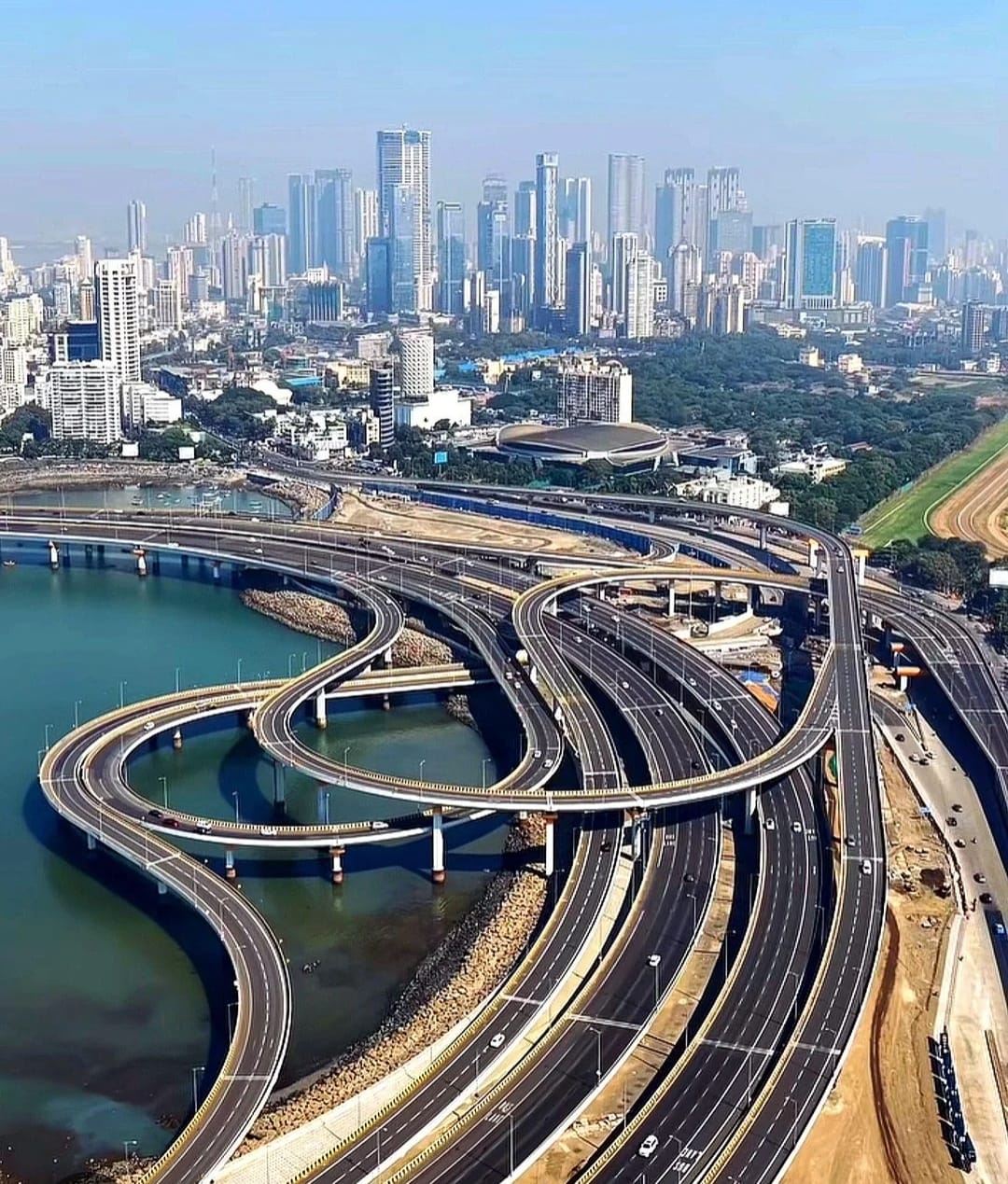
Mumbai’s future housing landscape is set to witness a major transformation as redevelopment emerges as one of the key drivers shaping the city’s growth. With limited land availability, increasing population and rising demand for better living spaces, the city is moving towards reimagining existing neighbourhoods rather than only focusing on new construction.
According to Knight Frank India, around 1,094 housing societies in Mumbai are currently under redevelopment, unlocking nearly 432 acres of land. These projects are expected to create around 59,000 new homes with an estimated value of nearly ₹1.5 lakh crore by 2031.
The growing redevelopment trend reflects a larger shift in how Mumbai plans to accommodate its future population. Experts believe redevelopment is not only about replacing old buildings with taller structures but also about creating safer, more sustainable and better-planned communities while preserving the city’s unique neighbourhood identity.
Arshad Lashkaria, CEO and Managing Director of Lashkaria Group, said Mumbai’s next phase of growth will be shaped by how effectively the city transforms existing spaces.
“Redevelopment presents an opportunity to create safer, more efficient, sustainable and future-ready communities while preserving the social fabric that gives Mumbai’s neighbourhoods their identity,” he said.
Mumbai’s residential market has continued to show steady growth in 2026. The city recorded 47,355 housing sales in the first half of the year, marking a 1% year-on-year increase. New housing launches also increased by 8% to 49,161 units during the same period, while unsold inventory declined by 4% to 157,410 units.
The momentum continued in July, with Mumbai recording 13,617 property registrations, an 8.3% year-on-year rise and the strongest July performance in 14 years.
As the city moves towards 2035, developers are expected to focus more on creating homes that match changing lifestyle needs. Future residential projects are likely to prioritise better layouts, natural lighting, ventilation, wellness spaces, green areas, technology-enabled security and community-focused amenities.
Another major trend shaping Mumbai’s redevelopment market is the rise of larger cluster-based projects. These developments can allow better land utilisation, improved infrastructure planning and more organised neighbourhood growth, especially in suburban areas.
Sustainability is also expected to become a crucial part of future housing projects. Developers are increasingly focusing on energy-efficient designs, water conservation systems, waste management solutions and environmentally responsible construction practices.
Technology will further influence the way people experience homes in the future. Smart building management systems, digital security solutions, energy monitoring and connected infrastructure are expected to make residential spaces more convenient and efficient.
However, experts believe the success of redevelopment will depend on keeping residents at the centre of the process. Transparent communication, trust, quality construction and long-term maintenance will play an important role in ensuring that redevelopment improves the overall quality of life.
Mumbai’s redevelopment journey is not just about creating new buildings but about designing a city that is more resilient, sustainable and liveable. As the city moves towards 2035, the homes built today will shape not only Mumbai’s skyline but also the experiences of future generations.
Subscribe Deshwale on YouTube
